• bitcoinBitcoin(BTC)$85,871.001.96%
  • ethereumEthereum(ETH)$2,738.721.28%
  • tetherTether(USDT)$1.000.00%
  • binancecoinBNB(BNB)$785.860.50%
  • rippleXRP(XRP)$1.544.19%
  • usd-coinUSDC(USDC)$1.000.01%
  • solanaSolana(SOL)$116.971.37%
  • tronTRON(TRX)$0.3484721.24%
  • zcashZcash(ZEC)$1,496.31-1.17%
  • Figure HelocFigure Heloc(FIGR_HELOC)$1.010.00%
  • HyperliquidHyperliquid(HYPE)$94.92-0.95%
  • dogecoinDogecoin(DOGE)$0.0985226.82%
  • moneroMonero(XMR)$566.81-3.14%
  • whitebitWhiteBIT Coin(WBT)$86.330.99%
  • chainlinkChainlink(LINK)$12.92-0.09%
  • RainRain(RAIN)$0.013538-3.89%
  • USDSUSDS(USDS)$1.00-0.01%
  • cardanoCardano(ADA)$0.2483464.06%
  • leo-tokenLEO Token(LEO)$8.980.41%
  • stellarStellar(XLM)$0.2121462.35%
  • nearNEAR Protocol(NEAR)$4.534.49%
  • uniswapUniswap(UNI)$8.78-4.50%
  • bitcoin-cashBitcoin Cash(BCH)$267.622.39%
  • Ethena USDeEthena USDe(USDE)$1.00-0.02%
  • avalanche-2Avalanche(AVAX)$10.88-3.05%
  • litecoinLitecoin(LTC)$60.411.36%
  • CantonCanton(CC)$0.1172180.66%
  • daiDai(DAI)$1.000.01%
  • USD1USD1(USD1)$1.00-0.01%
  • hedera-hashgraphHedera(HBAR)$0.0955417.65%
  • suiSui(SUI)$1.020.98%
  • the-open-networkGram (prev. Toncoin)(GRAM)$1.430.70%
  • BittensorBittensor(TAO)$318.1713.55%
  • shiba-inuShiba Inu(SHIB)$0.0000065.71%
  • crypto-com-chainCronos(CRO)$0.0660614.76%
  • Global DollarGlobal Dollar(USDG)$1.000.01%
  • MemeCoreMemeCore(M)$1.34-12.98%
  • paypal-usdPayPal USD(PYUSD)$1.00-0.01%
  • tether-goldTether Gold(XAUT)$4,319.11-0.74%
  • okbOKB(OKB)$123.021.48%
  • Circle USYCCircle USYC(USYC)$1.140.01%
  • Ripple USDRipple USD(RLUSD)$1.000.00%
  • BlackRock USD Institutional Digital Liquidity FundBlackRock USD Institutional Digital Liquidity Fund(BUIDL)$1.000.00%
  • Ondo US Dollar YieldOndo US Dollar Yield(USDY)$1.150.60%
  • BitwayBitway(BTW)$0.82-0.25%
  • aaveAave(AAVE)$141.38-4.18%
  • mantleMantle(MNT)$0.652.92%
  • EthenaEthena(ENA)$0.210704-4.88%
  • Pump.funPump.fun(PUMP)$0.0045281.63%
  • OndoOndo(ONDO)$0.433744-1.63%
TradePoint.io
  • Main
  • AI & Technology
  • Stock Charts
  • Market & News
  • Business
  • Finance Tips
  • Trade Tube
  • Blog
  • Shop
No Result
View All Result
TradePoint.io
No Result
View All Result

Protecting Your AI Investment: Why Cooling Strategy Matters More Than Ever

January 1, 2025
in AI & Technology
Reading Time: 3 mins read
A A
Protecting Your AI Investment: Why Cooling Strategy Matters More Than Ever
ShareShareShareShareShare

Data center operators are gambling millions on outdated cooling technology. The conversation around data center cooling isn’t just changing—it’s being completely redefined by the economics of AI. The stakes have never been higher.

The rapid advancement of AI has transformed data center economics in ways few predicted. When a single rack of AI servers costs around $3 million—as much as a luxury home—the risk calculation fundamentally changes. As Andreessen Horowitz co-founder Ben Horowitz recently cautioned, data centers financing these massive hardware investments “could get upside down very fast” if they don’t carefully manage their infrastructure strategy.

YOU MAY ALSO LIKE

OpenAI Faces Lawsuit From British Columbia Over Tumbler Ridge Shooting

NVIDIA Introduces SoL-Pi: Auto-Research Loops That Cut Coding Agent Token Traffic by Up to 49%

This new reality demands a fundamental rethinking of cooling approaches. While traditional metrics like PUE and operating costs are still important, they are secondary to protecting these multi-million-dollar hardware investments. The real question data center operators should be asking is: How do we best protect our AI infrastructure investment?

The Hidden Risks of Traditional Cooling

The industry’s historic reliance on single-phase, water-based cooling solutions carries increasingly unacceptable risks in the AI era. While it has served data centers well for years, the thermal demands of AI workloads have pushed this technology beyond its practical limits. The reason is simple physics: single-phase systems require higher flow rates to manage today’s thermal loads, increasing the risk of leaks and catastrophic failures.

This isn’t a hypothetical risk. A single water leak can instantly destroy millions in AI hardware—hardware that often has months-long replacement lead times in today’s supply-constrained market. The cost of even a single catastrophic failure can exceed a data center’s cooling infrastructure budget for an entire year. Yet many operators continue to rely on these systems, effectively gambling their AI investment on aging technology.

At Data Center World 2024, Dr. Mohammad Tradat, NVIDIA’s Manager of Data Center Mechanical Engineering, asked, “How long will single-phase cooling live? It’ll be phased out very soon…and then the need will be for two-phase, refrigerant-based cooling.” This isn’t just a growing opinion—it’s becoming an industry consensus backed by physics and financial reality.

A New Approach to Investment Protection

Two-phase cooling technology, which uses dielectric refrigerants instead of water, fundamentally changes this risk equation. The cost of implementing a two-phase cooling system—typically around $200,000 per rack—should be viewed as insurance for protecting a $5 million AI hardware investment. To put this in perspective, that’s a 4% premium to protect your asset—considerably lower than insurance rates for other multi-million dollar business investments. The business case becomes even clearer when you factor in the potential costs of AI training disruption and idle infrastructure during unplanned downtime.

For data center operators and financial stakeholders, the decision to invest in two-phase cooling should be evaluated through the lens of risk management and investment protection. The relevant metrics should include not just operating costs or energy efficiency but also the total value of hardware being protected, the cost of potential failure scenarios, the future-proofing value for next-generation hardware and the risk-adjusted return on cooling investment.

As AI continues to drive up the density and value of data center infrastructure, the industry must evolve its approach to cooling strategy. The question isn’t whether to move to two-phase cooling but when and how to transition while minimizing risk to existing operations and investments.

Smart operators are already making this shift, while others risk learning an expensive lesson. In an era where a single rack costs more than many data centers’ annual operating budgets, gambling on outdated cooling technology isn’t just risky – it’s potentially catastrophic. The time to act is now—before that risk becomes a reality.

Credit: Source link

ShareTweetSendSharePin

Related Posts

OpenAI Faces Lawsuit From British Columbia Over Tumbler Ridge Shooting
AI & Technology

OpenAI Faces Lawsuit From British Columbia Over Tumbler Ridge Shooting

September 22, 2026
NVIDIA Introduces SoL-Pi: Auto-Research Loops That Cut Coding Agent Token Traffic by Up to 49%
AI & Technology

NVIDIA Introduces SoL-Pi: Auto-Research Loops That Cut Coding Agent Token Traffic by Up to 49%

September 22, 2026
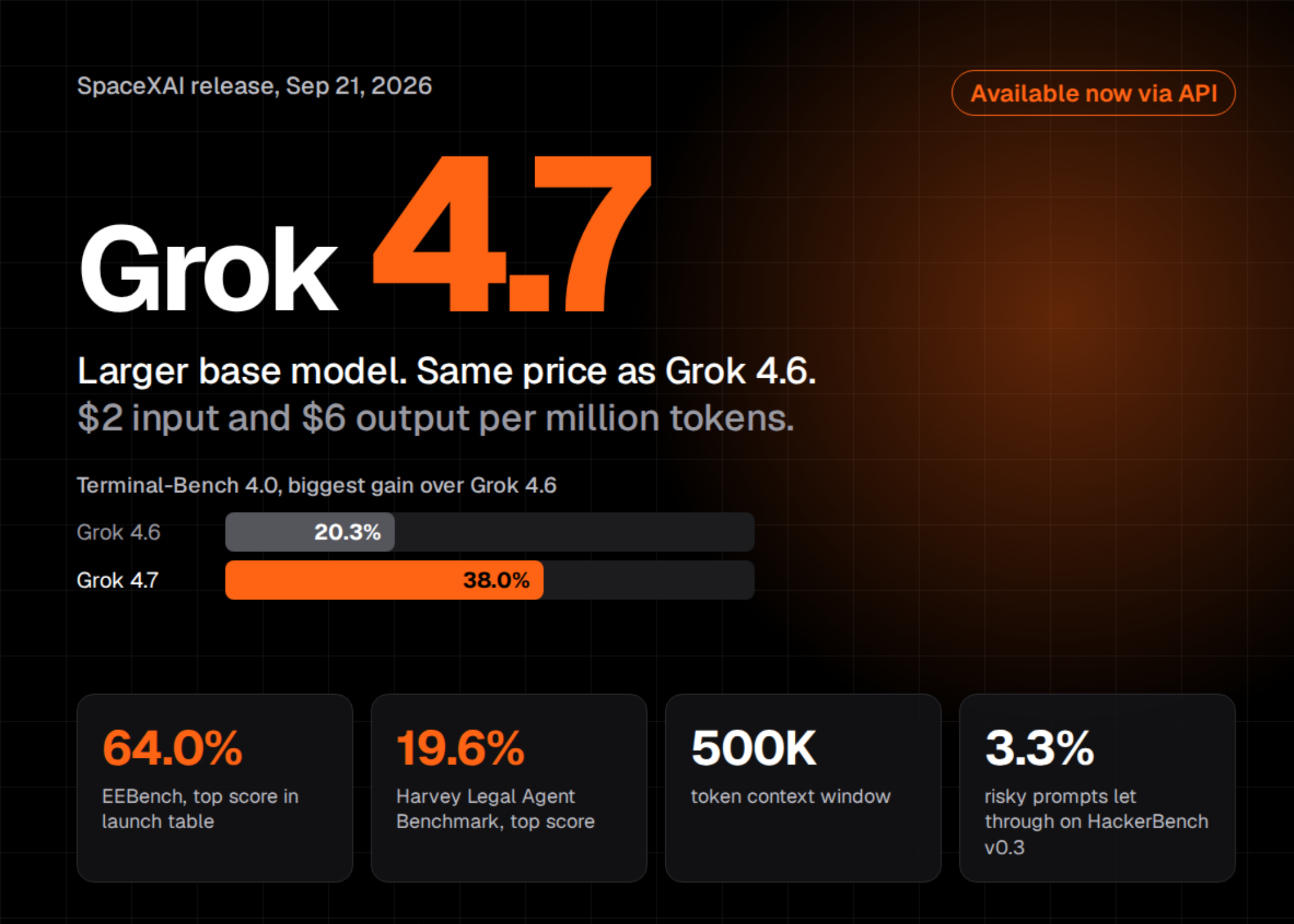
SpaceXAI Releases Grok 4.7: A Larger Base Model at the Same / Price as Grok 4.6
AI & Technology

SpaceXAI Releases Grok 4.7: A Larger Base Model at the Same $2/$6 Price as Grok 4.6

September 22, 2026
Why It’s Important To Unplug Your PC During A Power Outage
AI & Technology

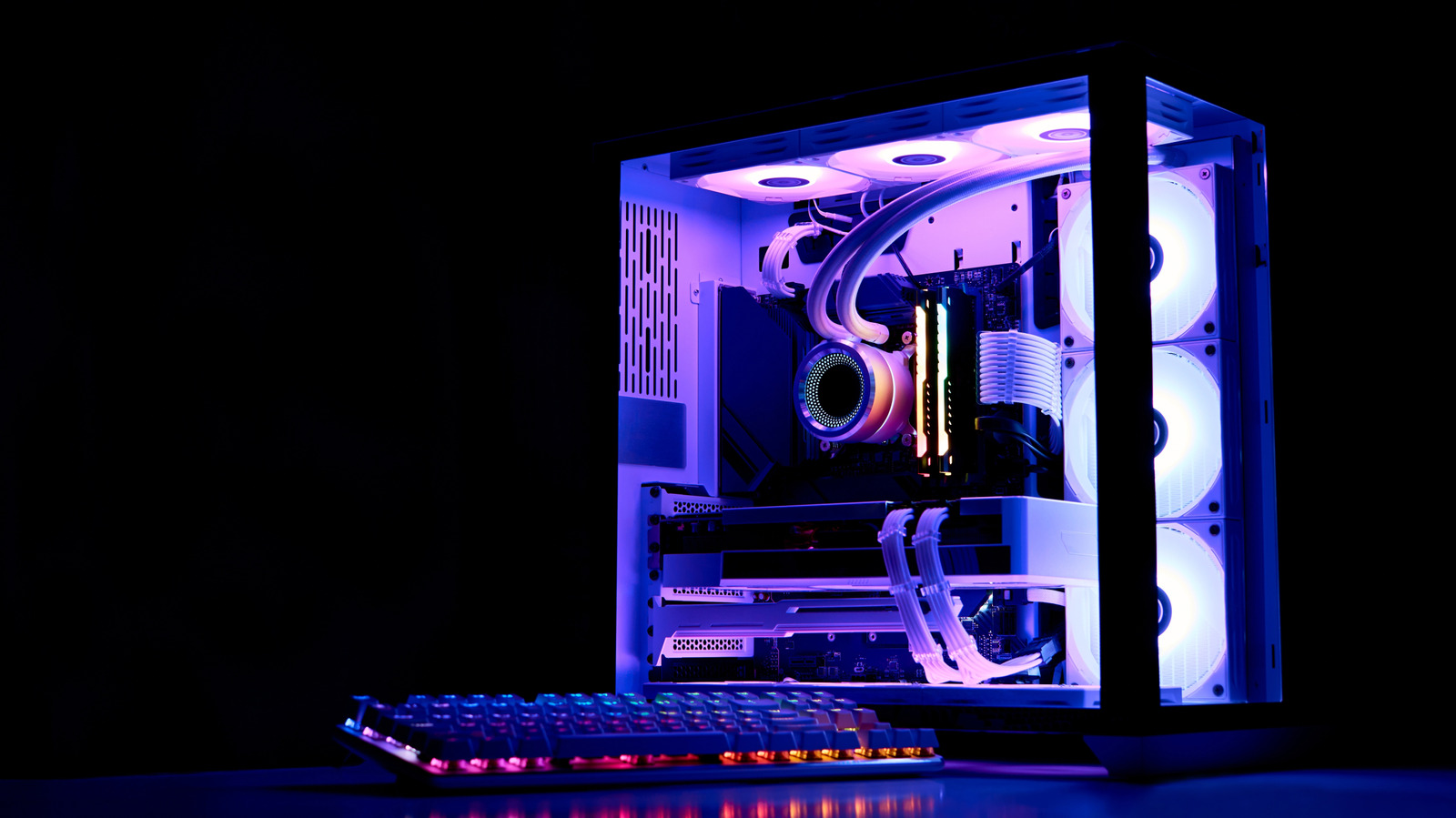
Why It’s Important To Unplug Your PC During A Power Outage

September 22, 2026
Next Post
Anthony Tobelaim, Co-founder & CPO at Siit – Interview Series

Anthony Tobelaim, Co-founder & CPO at Siit - Interview Series

Leave a Reply Cancel reply

Your email address will not be published. Required fields are marked *

Search

No Result
View All Result
United Kingdom: The Bank Of England Faces A Difficult Choice

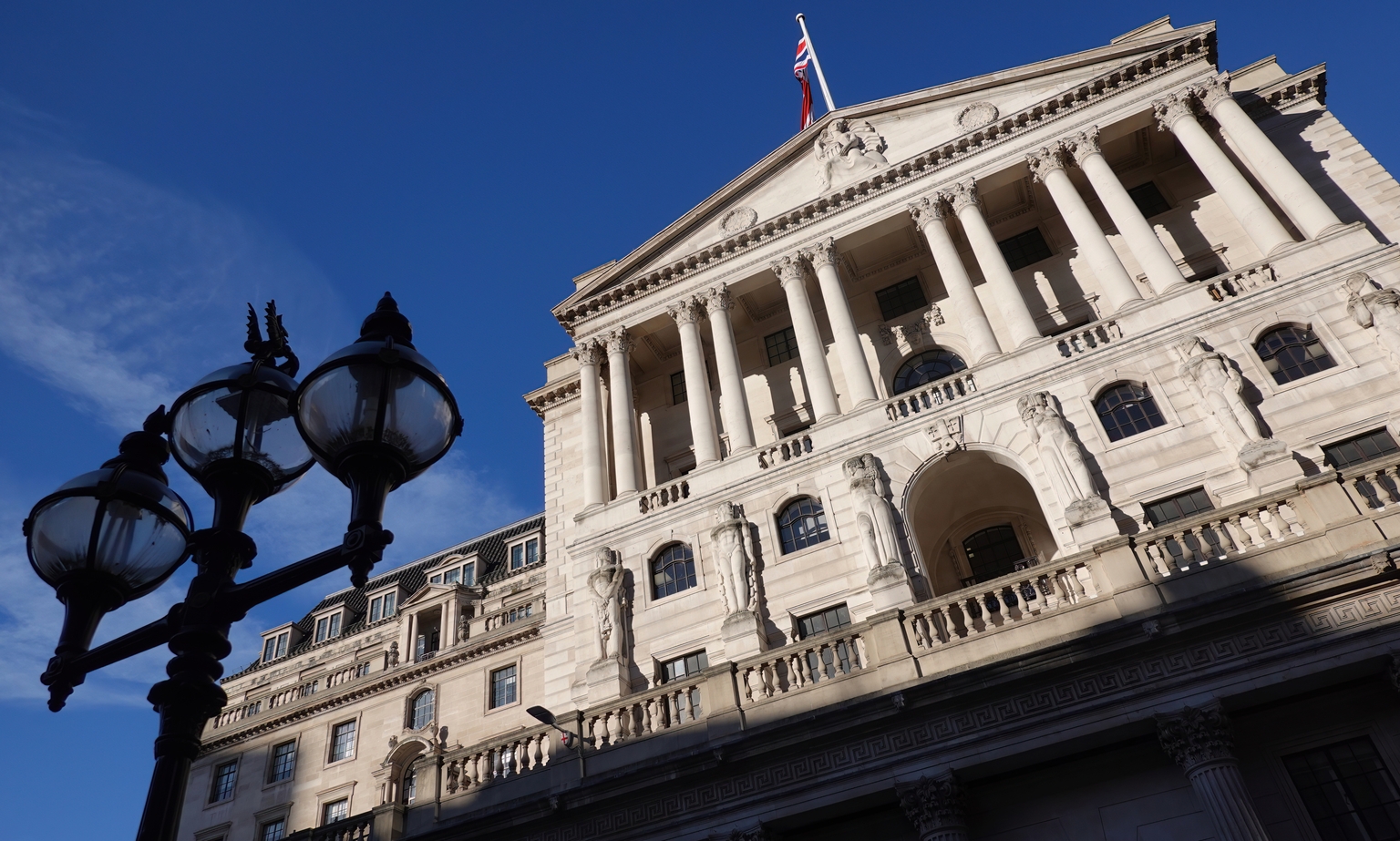
United Kingdom: The Bank Of England Faces A Difficult Choice

September 17, 2026
Multiple injured in bus crash at Newark airport

Multiple injured in bus crash at Newark airport

September 20, 2026
Hegseth considering presidential run, sources tell NBC News

Hegseth considering presidential run, sources tell NBC News

September 21, 2026

About

Learn more

Our Services

Legal

Privacy Policy

Terms of Use

Bloggers

Learn more

Article Links

Contact

Advertise

Ask us anything

©2020- TradePoint.io - All rights reserved!

Tradepoint.io, being just a publishing and technology platform, is not a registered broker-dealer or investment adviser. So we do not provide investment advice. Rather, brokerage services are provided to clients of Tradepoint.io by independent SEC-registered broker-dealers and members of FINRA/SIPC. Every form of investing carries some risk and past performance is not a guarantee of future results. “Tradepoint.io“, “Instant Investing” and “My Trading Tools” are registered trademarks of Apperbuild, LLC.

This website is operated by Apperbuild, LLC. We have no link to any brokerage firm and we do not provide investment advice. Every information and resource we provide is solely for the education of our readers. © 2020 Apperbuild, LLC. All rights reserved.

No Result
View All Result
  • Main
  • AI & Technology
  • Stock Charts
  • Market & News
  • Business
  • Finance Tips
  • Trade Tube
  • Blog
  • Shop

© 2023 - TradePoint.io - All Rights Reserved!