





• bitcoinBitcoin(BTC)$80,522.003.95%
  • ethereumEthereum(ETH)$2,420.226.24%
  • tetherTether(USDT)$1.000.04%
  • binancecoinBNB(BNB)$719.643.03%
  • rippleXRP(XRP)$1.302.11%
  • usd-coinUSDC(USDC)$1.000.02%
  • solanaSolana(SOL)$95.382.67%
  • tronTRON(TRX)$0.319434-0.62%
  • Figure HelocFigure Heloc(FIGR_HELOC)$1.040.62%
  • zcashZcash(ZEC)$1,300.766.24%
  • HyperliquidHyperliquid(HYPE)$83.86-1.88%
  • moneroMonero(XMR)$640.781.35%
  • dogecoinDogecoin(DOGE)$0.0769332.26%
  • USDSUSDS(USDS)$1.000.05%
  • whitebitWhiteBIT Coin(WBT)$77.894.63%
  • chainlinkChainlink(LINK)$11.423.56%
  • leo-tokenLEO Token(LEO)$9.320.26%
  • cardanoCardano(ADA)$0.1967893.53%
  • stellarStellar(XLM)$0.1676963.52%
  • bitcoin-cashBitcoin Cash(BCH)$281.242.45%
  • nearNEAR Protocol(NEAR)$4.003.98%
  • uniswapUniswap(UNI)$7.645.52%
  • daiDai(DAI)$1.00-0.01%
  • Ethena USDeEthena USDe(USDE)$1.000.06%
  • litecoinLitecoin(LTC)$56.103.45%
  • RainRain(RAIN)$0.005960-9.47%
  • CantonCanton(CC)$0.0991042.40%
  • avalanche-2Avalanche(AVAX)$8.712.26%
  • suiSui(SUI)$0.933.53%
  • USD1USD1(USD1)$1.000.06%
  • the-open-networkGram (prev. Toncoin)(GRAM)$1.17-0.25%
  • tether-goldTether Gold(XAUT)$4,045.912.96%
  • hedera-hashgraphHedera(HBAR)$0.0727404.35%
  • quant-networkQuant(QNT)$203.165.14%
  • Global DollarGlobal Dollar(USDG)$1.000.02%
  • shiba-inuShiba Inu(SHIB)$0.0000052.12%
  • BittensorBittensor(TAO)$233.443.31%
  • paypal-usdPayPal USD(PYUSD)$1.000.05%
  • crypto-com-chainCronos(CRO)$0.0519033.48%
  • Ripple USDRipple USD(RLUSD)$1.000.02%
  • EthenaEthena(ENA)$0.1806853.12%
  • Ondo US Dollar YieldOndo US Dollar Yield(USDY)$1.15-0.29%
  • okbOKB(OKB)$110.812.64%
  • Circle USYCCircle USYC(USYC)$1.140.01%
  • pepePepe(PEPE)$0.0000051.90%
  • aaveAave(AAVE)$131.563.28%
  • OndoOndo(ONDO)$0.4073874.45%
  • MemeCoreMemeCore(M)$0.85-1.22%
  • Pump.funPump.fun(PUMP)$0.004245-2.05%
  • BlackRock USD Institutional Digital Liquidity FundBlackRock USD Institutional Digital Liquidity Fund(BUIDL)$1.000.00%
TradePoint.io
  • Main
  • AI & Technology
  • Stock Charts
  • Market & News
  • Business
  • Finance Tips
  • Trade Tube
  • Blog
  • Shop
No Result
View All Result
TradePoint.io
No Result
View All Result

Integrating Artificial Intelligence and Behavioral Economics: New Frontiers in Decision-Making

April 29, 2024
in AI & Technology
Reading Time: 3 mins read
A A
Integrating Artificial Intelligence and Behavioral Economics: New Frontiers in Decision-Making
ShareShareShareShareShare

The recent passing of Nobel laureate Daniel Kahneman, a pioneer in blending psychological research with economics, especially in understanding how people make decisions under uncertainty, prompts a moment of reflection in both academic and business circles. Kahneman and Vernon L. Smith’s groundbreaking work laid the foundation for understanding the complex interplay of heuristics and biases in economic decisions, a legacy that continues to influence emerging fields.

At the turn of the millennium, when Kahneman received the Nobel Prize, artificial intelligence was still nascent in its development. Yet, in a prescient statement made a few years before his passing, Kahneman foresaw the profound implications of advanced AI on leadership and decision-making, posing the question, “Once it’s demonstrably true that you can have an AI that has far better business judgment, what will that do to human leadership?” This question underscores the transformative potential of AI in reshaping decision-making processes by integrating insights from behavioral economics.

YOU MAY ALSO LIKE

Snap Has More Than 30 Million Paid Subscribers Across Snapchat+ And Other Plans

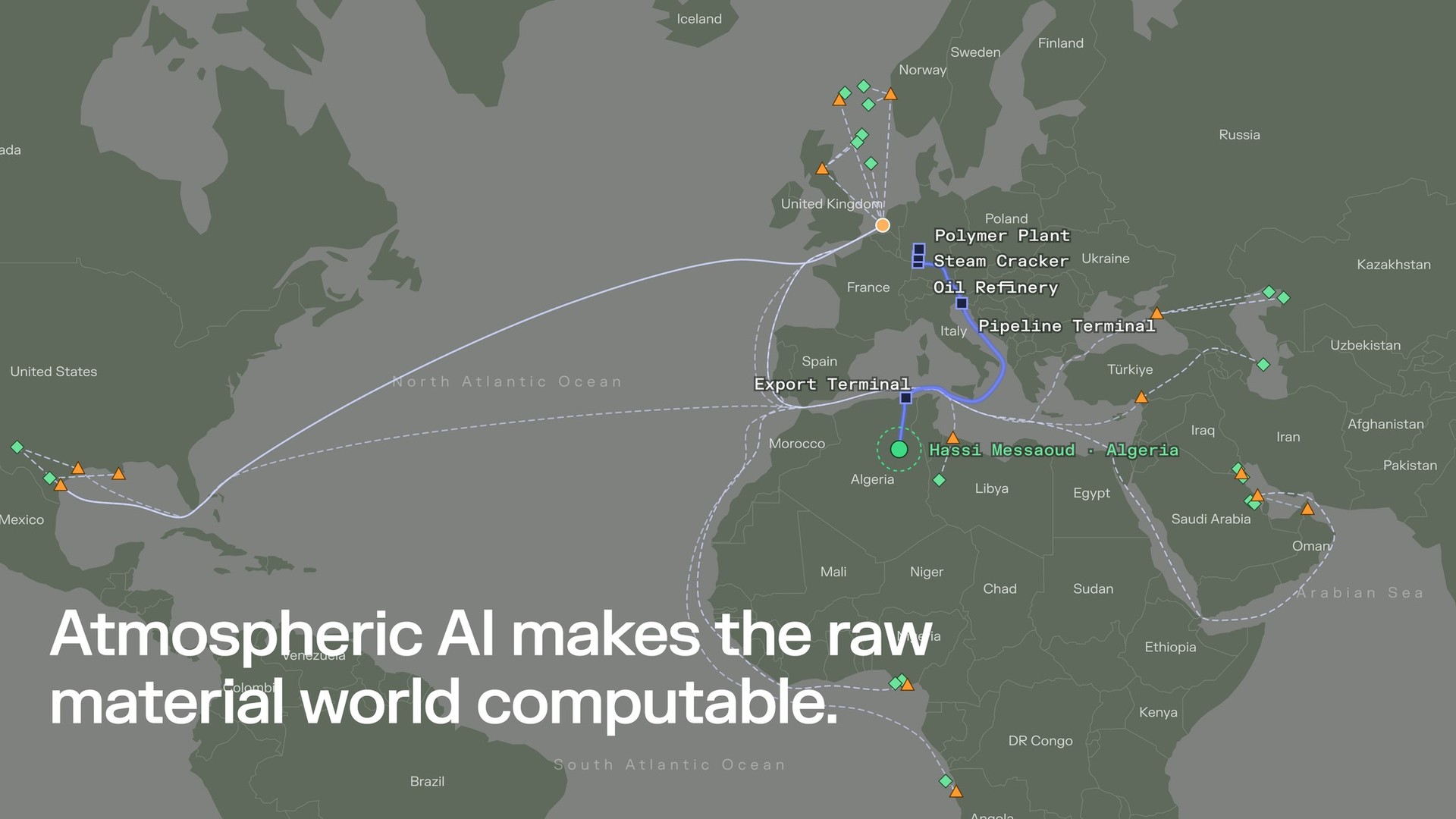
Atmospheric AI Secures $10M Seed for Procurement Modeling Push – Unite.AI

In the rapidly evolving and intricately complex landscape of today’s business world, the art and science of decision-making stand as a paramount differentiator, often yielding winners and losers. Yet these critical decisions are besieged by the challenges of navigating through the dense fog of human emotion, bias, and irrationality. Traditional decision-making models, anchored in rational choice theory, which were challenged by Kahneman, frequently overlook these subtle yet powerful influences. It is within this context that the convergence of AI and behavioral economics emerges as a revolutionary force, promising to redefine the foundations of decision-making for business leaders.

Behavioral economics brings to light the role of heuristics—cognitive shortcuts that streamline decision-making at the expense of accuracy. These mental shortcuts are a breeding ground for biases, such as overconfidence, sunk cost, and loss aversion, which can skew judgment and impact organizational outcomes. Artificial intelligence, with its unmatched capacity for data analysis, presents a novel solution for dissecting and understanding these biases. By sifting through extensive datasets, AI can unveil patterns in decision-making that remain opaque to human observation, offering a new lens through which to view the cognitive biases that shape our choices.

The practical implications of this synergy between AI and behavioral economics are vast and varied. AI systems, informed by behavioral insights, can guide financial analysts away from biased conservative strategies, propel HR platforms to counteract unconscious bias in recruitment, implement marketing campaigns based on patterns influenced by behavioral tendencies, and much more. These are not speculative scenarios but attainable realities that leverage the predictive power of AI to inform more nuanced and effective decision-making strategies.

However, the path to integrating AI with behavioral economics is strewn with challenges, particularly the ethical quandaries presented by human biases in AI development. The creation of AI technologies is intrinsically linked to human knowledge and, by extension, our biases. These predispositions can inadvertently influence AI algorithms, perpetuating and even amplifying biases on a scale previously unimaginable.

Addressing these ethical concerns necessitates a multifaceted approach. It calls for the establishment of robust ethical frameworks, the cultivation of diverse development teams, and a commitment to transparency throughout the AI development process. Furthermore, AI systems must be capable of continuous learning, adapting not only to new data but also to evolving ethical standards and societal expectations.

The integration of AI and behavioral economics holds the promise of a new era of decision-making, one that harnesses the power of technology to illuminate and mitigate the biases that cloud human judgment. As we advance into this uncharted territory, guided by the legacy of visionaries like Kahneman, our success will hinge on our ability to navigate the ethical complexities inherent in this integration.

By embracing diversity, ensuring transparency, and fostering an environment of continuous adaptation, we can unlock AI’s full potential to enhance decision-making in a manner that is both innovative and ethically sound. This journey is not merely a technological endeavor but a moral imperative, paving the way for a future where AI and human insight converge to create a smarter, more just, and ethically informed business landscape.

Credit: Source link


ShareTweetSendSharePin

Related Posts

Snap Has More Than 30 Million Paid Subscribers Across Snapchat+ And Other Plans
AI & Technology

Snap Has More Than 30 Million Paid Subscribers Across Snapchat+ And Other Plans

November 4, 2026
Atmospheric AI Secures M Seed for Procurement Modeling Push – Unite.AI
AI & Technology

Atmospheric AI Secures $10M Seed for Procurement Modeling Push – Unite.AI

November 4, 2026
Perplexity Adds Live Web Grounding to Its Decisions API – Unite.AI
AI & Technology

Perplexity Adds Live Web Grounding to Its Decisions API – Unite.AI

November 4, 2026
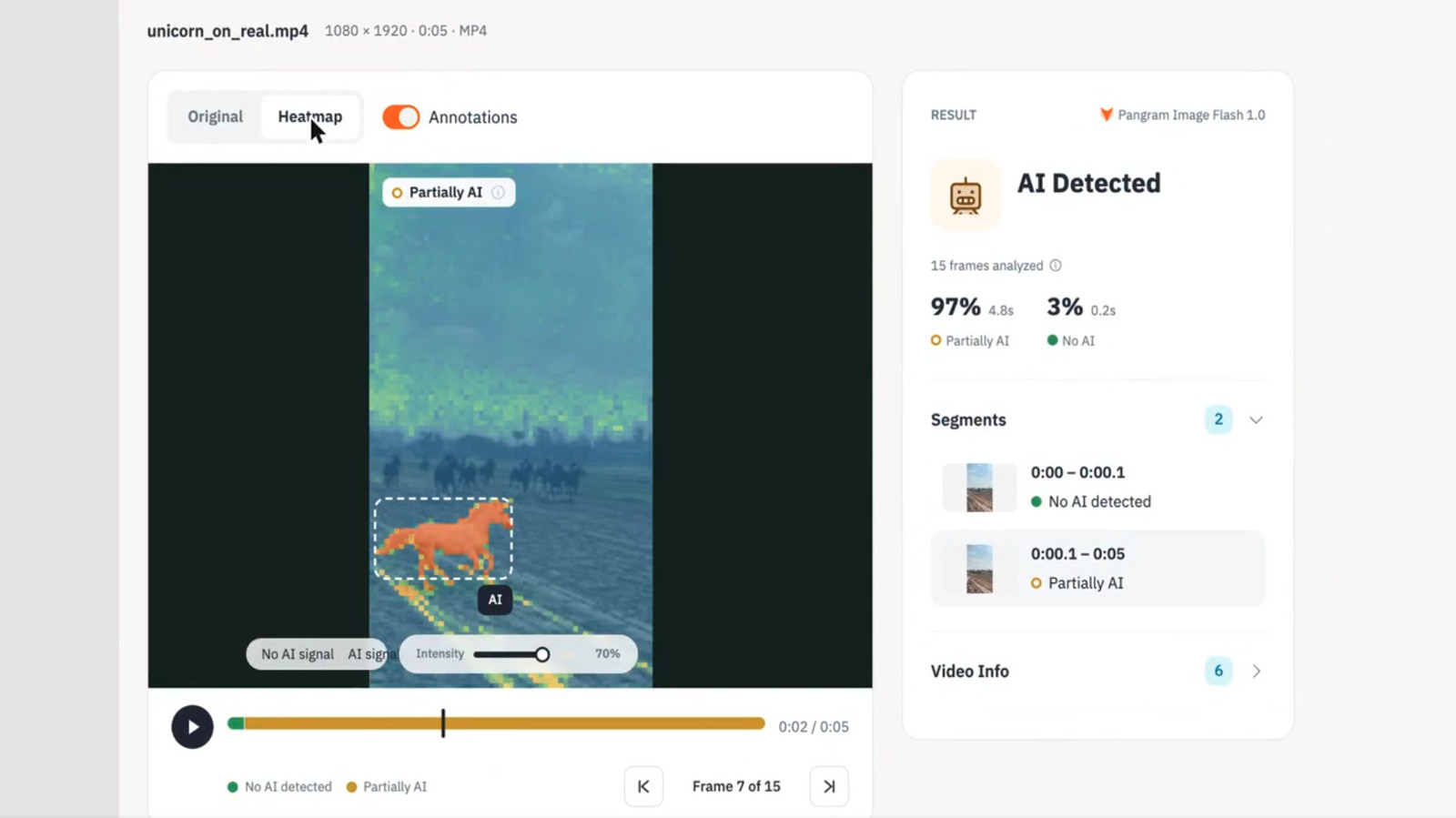
Pangram Expands Its AI Detection Tools To Video And Images
AI & Technology

Pangram Expands Its AI Detection Tools To Video And Images

November 4, 2026
Next Post
Musk Wins Tentative Clearance for Tesla Driving System in China

Musk Wins Tentative Clearance for Tesla Driving System in China

Leave a Reply Cancel reply

Your email address will not be published. Required fields are marked *

Search

No Result
View All Result
Ouster Revenue Rises 50% as Physical AI Sensor Shipments Set Record – Unite.AI

Ouster Revenue Rises 50% as Physical AI Sensor Shipments Set Record – Unite.AI

November 3, 2026
Iran War Updates: Trump says war "going to end soon" as Qatar pushes for a U.S.-Iran deal – CBS News

Iran War Updates: Trump says war "going to end soon" as Qatar pushes for a U.S.-Iran deal – CBS News

October 30, 2026
S&P 500: Higher or lower by year-end? Buy the dip or wait for a bigger pullback?

S&P 500: Higher or lower by year-end? Buy the dip or wait for a bigger pullback?

November 4, 2026

About

Learn more

Our Services

Legal

Privacy Policy

Terms of Use

Bloggers

Learn more

Article Links

Contact

Advertise

Ask us anything

©2020- TradePoint.io - All rights reserved!

Tradepoint.io, being just a publishing and technology platform, is not a registered broker-dealer or investment adviser. So we do not provide investment advice. Rather, brokerage services are provided to clients of Tradepoint.io by independent SEC-registered broker-dealers and members of FINRA/SIPC. Every form of investing carries some risk and past performance is not a guarantee of future results. “Tradepoint.io“, “Instant Investing” and “My Trading Tools” are registered trademarks of Apperbuild, LLC.

This website is operated by Apperbuild, LLC. We have no link to any brokerage firm and we do not provide investment advice. Every information and resource we provide is solely for the education of our readers. © 2020 Apperbuild, LLC. All rights reserved.

No Result
View All Result
  • Main
  • AI & Technology
  • Stock Charts
  • Market & News
  • Business
  • Finance Tips
  • Trade Tube
  • Blog
  • Shop

© 2023 - TradePoint.io - All Rights Reserved!