Yandong Liu is the Co-founder and CTO at Connectly.ai. He previously worked at Strava as a CTO. Yandong Liu attended Carnegie Mellon University.
Founded in 2021, Connectly is the leader in conversational artificial intelligence (AI). Using proprietary AI models, Connectly’s platform automates how businesses communicate with their customers and sell their products across any messaging platform. Connectly enables the entire customer journey – from sales and marketing to customer experience and support – to be conducted within the customer’s preferred messaging platform.
Can you share the genesis story behind Connectly?
Connectly was born from the vision of becoming the leader in conversational AI. My co-founder, Stefanos, and I met through a mutual friend in the founder community and bonded over a shared passion for the future of messaging. With my background leading technology teams at Strava and Uber and Stefanos’s experience overseeing Facebook Messenger, we set out to create the AI-powered infrastructure of the future, helping businesses make the most of their customer messages in an increasingly complex ecosystem.
What exactly are Small Language Models (SLMs), and how do they differ from Large Language Models (LLMs)?
SLMs are AI models designed to understand and generate human language but with fewer parameters and computational requirements compared to Large Language Models. In the context of AI marketing solutions for messaging platforms like WhatsApp and Instagram, SLMs provide faster response times and can be easily deployed on a variety of devices, making them ideal for real-time customer interactions. Their smaller size allows for efficient performance without compromising the quality of responses.
Can you discuss how SLMs reduce the likelihood of hallucinations and improve the reliability of AI responses?
SLMs reduce the likelihood of hallucinations—instances where AI generates incorrect or nonsensical information—by focusing on a smaller, more manageable set of parameters. For AI-messaging based marketing solutions, this focused approach ensures more predictable and reliable responses, enhancing customer trust and engagement. The reduced complexity of SLMs minimizes the chances of generating off-topic or erroneous content, thereby improving the overall reliability of AI interactions.
Can you explain why SLMs are particularly beneficial for retailers, especially in the context of chatbots?
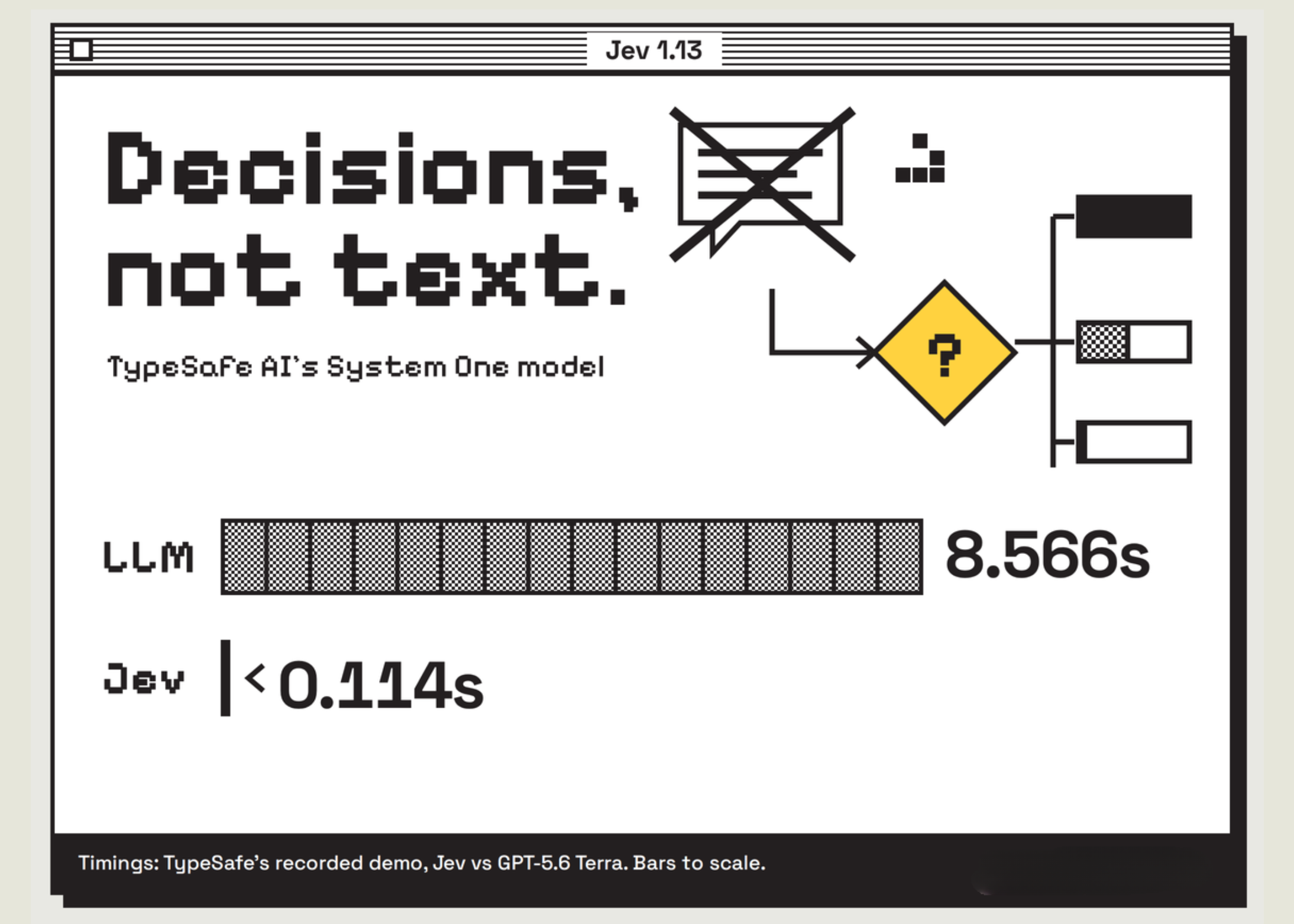
Due to the large amounts of data LLMs are fed with, they are often slow. However, messaging and conversational commerce require a faster response time in order to better and more accurately serve customers. For retailers, SLMs are more practical and beneficial due to the level of detail they can provide in the retail industry. Additionally, SLMs are often cheaper because they are more agile, meaning every retail company, from a small startup to a big online retailer, can utilize them.
How do SLMs offer more personalized experiences for customers compared to LLMs?
SLMs offer more personalized experiences for customers by being easier to fine-tune for specific tasks and domains. Their smaller size allows for quicker and more efficient customization, enabling businesses to tailor the models to the unique needs and preferences of their customers. This focused customization results in more relevant and personalized interactions, enhancing the customer experience.
How does Connectly integrate SLMs into its platform to enhance e-commerce capabilities?
We integrate SLMs into our platform to enhance e-commerce capabilities by leveraging their efficiency and adaptability. These models enable quick and accurate customer interactions on messaging platforms like WhatsApp and Instagram, providing personalized product recommendations and instant customer support. The lightweight nature of SLMs ensures that responses are fast and relevant, improving the overall customer experience and driving engagement.
What are some specific examples of how retailers have successfully implemented SLMs in their operations?
Our clients are having great success with SLMs. A fashion retailer is using SLMs to provide personalized styling advice through WhatsApp, recommending outfits based on the customer’s previous purchases and preferences. Similarly, an electronics retailer deployed SLMs on Instagram to answer customer queries about product features and availability in real time, enhancing the shopping experience and reducing the load on customer service teams.
Why should retailers consider transitioning from LLMs to SLMs for their specific business applications?
Retailers should consider transitioning from LLMs to SLMs for their specific business applications due to the increased efficiency and cost-effectiveness of SLMs. SLMs are faster, require less computational power, and can be easily fine-tuned for specific tasks, making them ideal for real-time customer interactions on messaging platforms like WhatsApp and Instagram. This transition can lead to more responsive and personalized customer service while reducing operational costs.
What future advancements in SLM technology are you most excited about?
I’m most excited about advancements in SLM technology that will further enhance their efficiency and accuracy. For instance, improvements in transfer learning and fine-tuning techniques will allow SLMs to become even more adept at specific tasks with minimal data. Additionally, the integration of SLMs with multimodal capabilities—combining text, voice, and image data—will enable richer and more interactive customer experiences on platforms like WhatsApp and Instagram. These advancements will make SLMs even more valuable for retailers looking to provide personalized and engaging customer interactions.
How do you see the adoption of SLMs evolving in the next few years within the retail industry?
I see the adoption of SLMs in the retail industry growing significantly. As retailers continue to seek more efficient and cost-effective ways to engage with customers, the speed and adaptability of SLMs will become increasingly valuable. SLMs will be integrated more widely into customer service platforms, marketing campaigns, and personalized shopping experiences on messaging apps like WhatsApp and Instagram, even on TikTok. This shift will help retailers provide quicker, more personalized interactions, enhancing customer satisfaction and loyalty.
Thank you for the great interview, readers who wish to learn more should visit Connectly.
Credit: Source link