















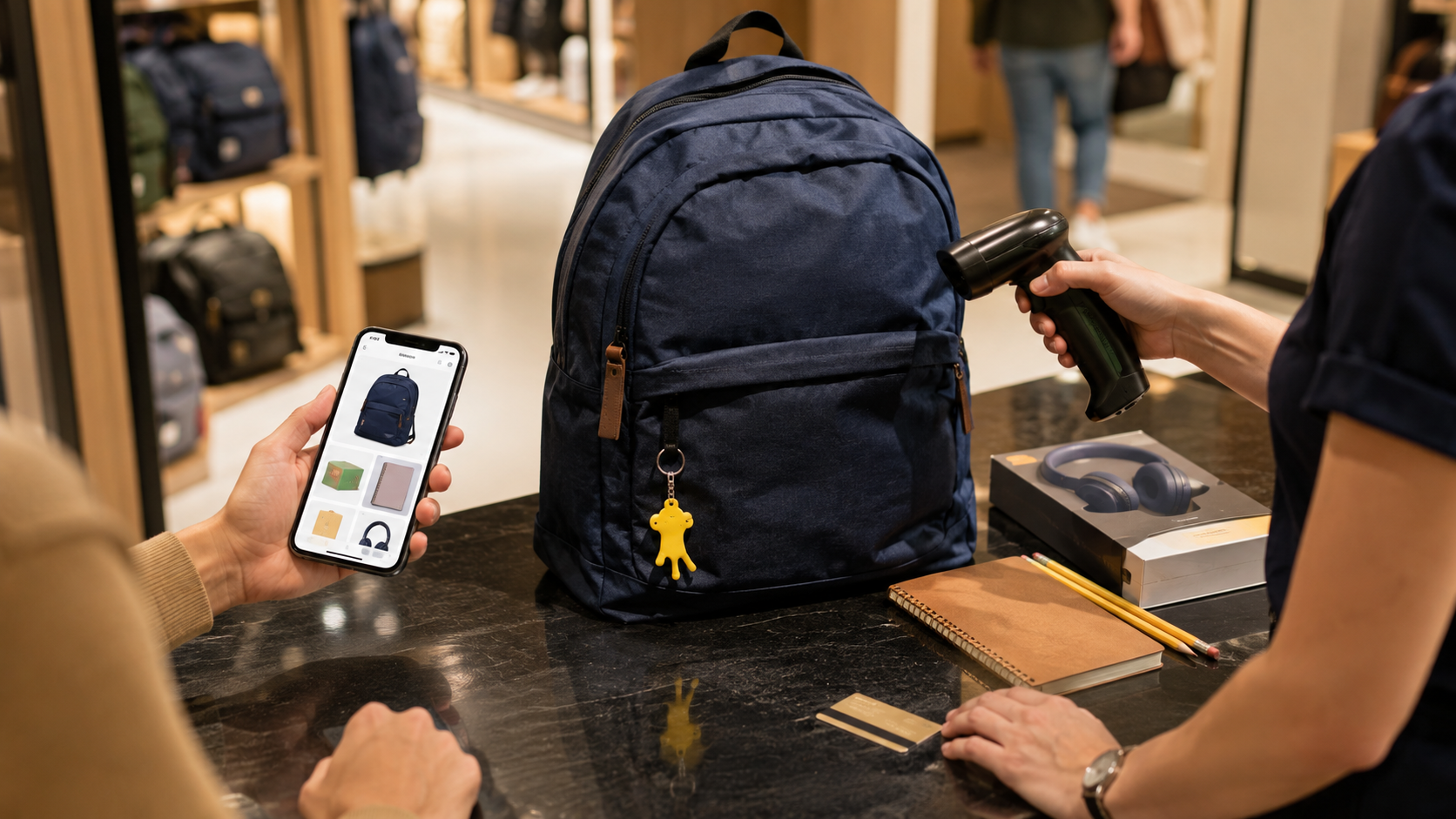

Every back-to-school season compresses months of retail behavior into a few intense weeks. Families browse across websites and apps, compare prices, respond to promotions, visit stores, join loyalty programs and make purchases across categories ranging from apparel to electronics.
This year, that activity started especially early. National Retail Federation research found that 62% of back-to-school shoppers had already started shopping by early July, while roughly one-third said they typically plan purchases around summer sales. NRF also found that 78% expected higher prices on back-to-school items, creating a season shaped by comparison shopping and sensitivity to value.
For retailers, that makes back-to-school more than a sales event. It is a stress test of whether their AI systems actually understand the customer. A shopper may interact with the same retailer through a paid ad, ecommerce site, mobile app, physical store, loyalty account and customer service channel within days. Each interaction creates a signal. The challenge is connecting those signals into trusted customer context that AI can reason over and use while the customer’s intent is still relevant.
That is the bigger question back-to-school raises for retail AI: what happens to everything the retailer learns after the rush is over?
Seasonal Demand Exposes Customer Identity Gaps
Retailers do not lack customer data. The harder problem is knowing which data belongs to the same person and keeping that understanding current as behavior changes.
Consider a parent shopping for a child’s first semester of college. They might click a social ad for bedding, browse anonymously on a retailer’s website, purchase a laptop through a mobile app, use a loyalty account in a physical store and contact customer service about a delivery. To the customer, that is one relationship. Inside the retailer, those interactions can easily become five different versions of the same person.
An anonymous browser identifier may sit apart from an e-commerce account. Store transactions may connect to a loyalty ID, while media engagement lives inside an advertising platform. If those records remain fragmented, AI does not see a customer. It sees partial, sometimes conflicting versions of one.
That matters because AI will confidently act on whatever context it is given. Fragmented identity can mean promoting something a customer already purchased, continuing to spend media dollars after someone has converted, or failing to recognize a new loyalty member. During high-volume periods, those errors compound quickly because the customer is changing faster than the systems trying to understand them.
The goal is not simply to collect more signals. It is to connect new signals to the right person as they happen and carry that trusted context forward after seasonal traffic subsides.
Acquisition Creates the Opening for Retention
Back-to-school marketing naturally emphasizes acquisition. Retailers compete aggressively for shoppers with promotions, paid media, special offers and seasonal creative. But acquisition is only the beginning of the value those interactions can create.
Amperity’s 2026 Consumer Priorities Report, based on a survey of 1,000 U.S. consumers, found that 63.3% will switch brands for a better offer. The research also found that consumers value loyalty programs, consistent experiences across channels, responsible data use, timely offers and recognition of purchase history.
The weeks after a seasonal purchase are therefore just as important as the purchase itself. A new customer has already provided useful context: what they purchased, when they bought, which offer motivated them, how they interacted before converting and whether they joined a loyalty program.
AI can use that context to help determine what should happen next. Someone buying children’s apparel may have a very different future relationship with a retailer than someone furnishing a college dorm. Purchase history, browsing, loyalty, returns, service interactions and engagement all help distinguish between those paths.
But the model is not the hard part. The system needs continuity. When that customer returns in September, October or January, the retailer should not have to relearn who they are. The AI should be reasoning from the same trusted customer context that began forming during the back-to-school rush.
Retail Media Needs a Longer Measurement Window
The growth of retail and commerce media makes this continuity especially important. The Interactive Advertising Bureau expects U.S. commerce media spending to grow 12.1% in 2026. As investment grows, retailers and advertisers have more transaction data available to connect advertising exposure with actual customer behavior.
Back-to-school shows why the measurement window matters. Suppose a campaign acquires 50,000 new customers in August. Immediate return on ad spend tells the retailer whether those purchases justified the media investment. It does not tell them how many shoppers came back, expanded into other categories or eventually became high-value customers.
Those questions require a consistent view of the customer across advertising, transactions, loyalty and customer experience systems. Once that context persists over time, AI can help identify which acquisition signals tend to precede future value and where retention investment is likely to matter most.
The result is a more useful way to think about seasonal campaigns. They are not simply bursts of demand to optimize. They are opportunities to create durable customer context and learn which acquisition strategies lead to lasting relationships.
Personalization Requires Permission and Context
Recognizing a customer is only useful if the business also understands how it should act on that knowledge.
Customers generally expect retailers to remember useful information. Someone may appreciate seeing compatible accessories for a recent purchase, receiving relevant loyalty benefits or no longer seeing ads for something they already bought. Those experiences feel connected because the retailer remembers what has already happened.
Trust deteriorates when that same data is used without the right context. PwC’s 2025 Customer Experience Survey found that 53% of consumers believe sharing personal information is worthwhile when it creates a smoother brand experience. The same research found that 93% say a company would lose their trust if it mishandled their data.
That is why trusted customer context has to include more than behavior. AI systems also need permissions, preferences, and the business rules that determine whether a particular action makes sense. A model can correctly predict that a shopper is interested in a category and still make the wrong decision if it ignores consent, a recent purchase, or a service issue.
Better prediction is not enough. The AI needs the context to make a good decision.
Turn Seasonal Signals Into a Learning System
Back-to-school gives retailers a practical way to test whether their customer data and AI strategies work beyond a single campaign. High-volume shopping quickly exposes duplicate identities and disconnected systems. It also creates an unusually rich set of signals that can reveal whether the business is capable of remembering a customer over time.
The first test is identity. Can the retailer recognize the same person across media, ecommerce, stores, loyalty and service? The second is context. Can it preserve not just that someone bought a laptop, but when they bought it, which campaign brought them in, what else they browsed, whether they are a loyalty member, and whether they later returned an item?
From there, measurement has to extend beyond the campaign. Repeat purchase behavior, loyalty participation, category expansion, retention and customer value tell a much richer story than immediate campaign performance alone. Governance belongs in that same system. Consent, preferences, permitted uses and relevant business policies need to stay connected to the customer as their behavior evolves.
When those pieces work together, the retailer creates a continuous learning loop. Customer activity generates signals. Identity connects those signals to the right person. AI reasons over the resulting context and helps determine the next relevant action. What the customer does next becomes new context for the next decision.
That is where retail AI becomes more useful: not by making isolated predictions faster, but by continuously learning from a trusted understanding of the customer.
What Happens After the Rush Matters
Back-to-school will end, and retailers will quickly turn their attention to the next major shopping period. The customers acquired during the season will keep generating signals long after backpacks, laptops and school supplies leave the promotional calendar.
The next phase of retail AI will be defined by whether businesses can preserve that understanding and use it to make better decisions over time. The model can reason. The competitive advantage comes from giving it trusted customer context to reason over.
So the question retail leaders should ask at the end of back-to-school season is simple: How many August shoppers will the business still recognize when they return in November, January, or next summer?
That answer says far more about an AI strategy than how well a seasonal campaign performed.
Credit: Source link