
From closed to crypto, e-wallets can make your day-to-day a bit easier.
While the days of toting a physical wallet around aren’t fully behind us, digital wallets have surely made life easier for many. But the differences between various types of digital wallet are a bit more nuanced than those between, say, a bifold and a trifold.
Some are intended solely for specific merchants to keep your spending budget allocated in one ecosystem, while the Apple Wallets and PayPals of the world offer far more flexibility and freedom.
The four to keep in mind are closed wallets, semi-closed wallets, open wallets and crypto wallets, all of which serve specific purposes and can make your visits to compatible merchants a bit quicker and, in some cases, your pockets a bit less full. That said, always make sure your device is charged before heading to the store without cards or cash.
Digital wallets definitely have their pros and cons, but they are often a major convenience, depending on what you’re trying to buy and where.
Breaking down each type of wallet
Whether they know it or not, regular Starbucks customers will be aware of closed wallets.
These particular digital wallets are controlled by a company or store, some of which you may even frequent, allowing you to top-up and store funds that can only be used with that specific brand. Starbucks aside, other examples include Uber Cash, Amazon Pay, Walmart Pay and Target Wallet, all of which keep your money in one place for when you plan to spend it at that retailer.
Meanwhile, semi-closed wallets are a lot more prominent outside of the US. They essentially sit on both sides of the fence, allowing users to make purchases across a range of pre-approved shops, online retailers, delivery and ride-share services, and more. Some include India’s Paytm, the Philippines’ GCash, and GrabPay, which is available throughout Southeast Asian countries like Malaysia and Thailand.
Open wallets are essentially a digital version of your actual wallet, barring any loose cash you might have on hand. Depending on your device and location, this can even include different forms of ID, like driving licenses and passports.
Smartphone owners will be familiar with Apple Wallet or Samsung Wallet, while other companies like Google, PayPal and even Venmo offer similar features, allowing you to store your cards digitally in one place, so you can order products online, tap to pay at compatible stores and send money to friends and family. These features are often locked behind biometric security checks, like Face ID and fingerprint scans, making it harder for a would-be attacker to steal a device and make lots of payments.
Not forgetting crypto wallets
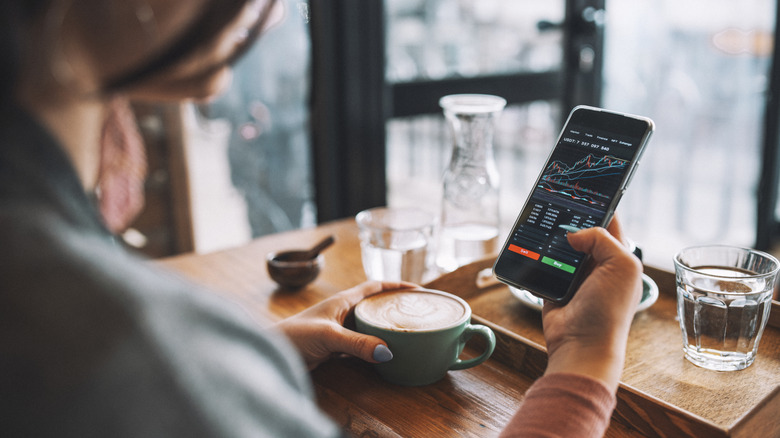
On the other end of it all, cryptocurrency wallets are a separate entity, and there are two that traders should be familiar with: hot and cold. Although blockchain networks manage the ledger where your Bitcoin or Ethereum live, these two options determine how you store and access the keys that unlock those funds.
Starting with hot wallets, these are typically accessed through your phone or computer, allowing you to exchange, trade or transfer crypto. Since they’re connected to the internet, hot wallets are a gift and a curse for some. They can offer instant and seamless transactions, but their internet dependency makes them far more susceptible to online attacks.
If security is your biggest fear, cold wallets come into play. These don’t depend on an internet connection and can easily be utilized via a USB drive or smart card. This format keeps all your private keys offline for enhanced security, but you can only access them when you pair them with an online device.
In short, hot wallets are ideal when the main focus is speedy transfers and transactions, and cold wallets are best for protecting your cryptocurrency at the cost of immediate convenience.
Credit: Source link