


















Rmcarvalho
At the end of May Elon Musk tweeted: ”Commercial real estate is melting down fast. Home values next.” Should we quickly sell all our REITs? Or is all the bad news already discounted in the stock prices and should we start buying REITs?
Although REITs do not operate in a vacuum, they are in better shape than the commercial real estate market in general. E.g. REITs have less than 5% of debt maturing in 2023. Offices are also a relatively small part of the REIT universe.
But, things might get worse before it gets better for REITs. While we wait to see which scenario unfolds we now get an above 4% dividend yield on the Vanguard Real Estate ETF (NYSEARCA:VNQ), compared to a dividend yield of only 2.5% two years ago.
Inflation hedge
In the past real estate acted as a good inflation hedge.
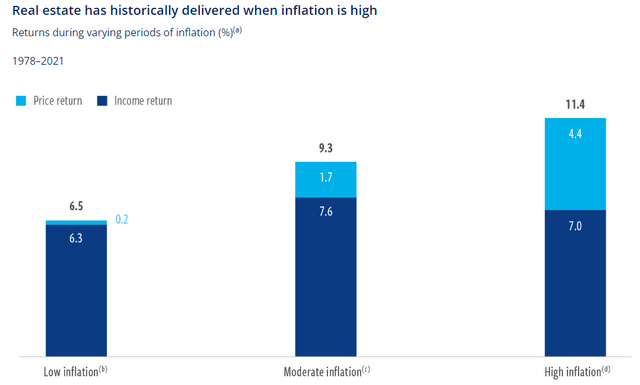
Figure 1: Real Estate and inflation (Cohen & Steers)
Together with energy, REITs are the best performing equity sector in inflationary environments.
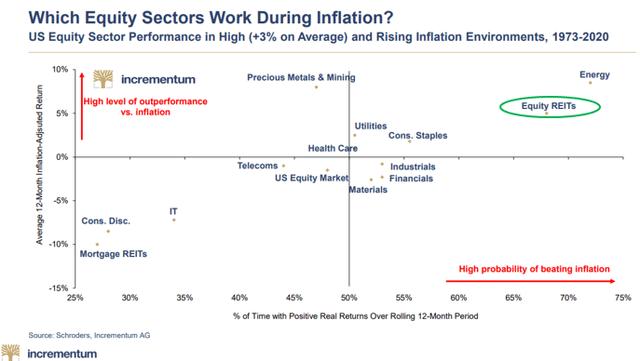
Figure 2: Equity sectors and inflation (Incrementum)
There are several reasons why we can expect REITs to do well when inflation is high.
Some REIT sectors, such as e.g. hotels and self-storage, have short lease durations which means they can adjust rates quickly in response to the high inflation numbers. Sectors with a long lease duration may have built-in rental escalation clauses that lead to higher rents in inflationary periods.
Inflation also brings rising construction and financing costs which puts a break on new developments and hence limits new supply which in turn supports the price of existing buildings.
Normally, (gently) rising inflation and interest rates are associated with economic growth which in turn positively affects REIT fundamentals. Healthy economic growth tends to translate into greater demand for real estate and higher occupancy rates, supporting growth in REIT earnings, cash flow, and dividends. The flipside is of course that REITs’ performance is less stellar when the economy slows, as it currently does.
So far, REITs haven’t played their traditional inflation hedging role. Since the end of 2021 REITs are the worst performing asset class.
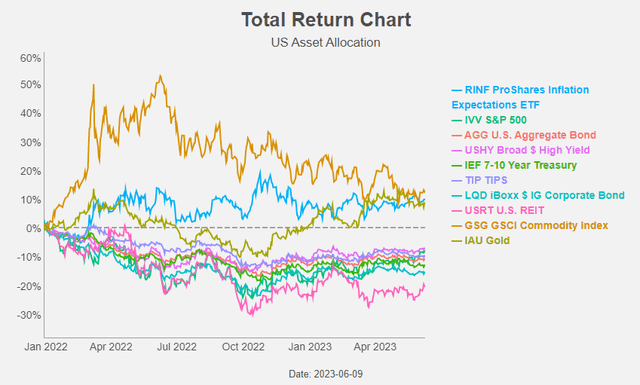
Figure 3: Total return chart (Yahoo! Finance, Author)
According to Fitch, property fundamentals, like tenant demand and market vacancy rates, must generally be healthy for landlords to have pricing power, regardless of broader economic inflation levels. Many U.S. lease escalators are fixed, or capped at low-single-digit percentage increases per annum, which is insufficient to offset a rapid increase in inflation, interest rates and cap rates. In short, the magnitude and speed at which interest rates have risen has made it all but impossible for rents to offset the impact of those rising rates. Ceteris paribus, higher interest rates tend to decrease the value of properties (due to rising cap rates) and increase REIT borrowing costs.
Will REITs start to become an inflation hedge again?
We will discuss cap rates, borrowing costs and NOI growth (and the interplay between those different parameters).
Rising interest and cap rates
Commercial real estate assets are very long duration in nature, so their values are particularly sensitive to interest rates. And rising interest rates lead to higher cap rates and lower property values.
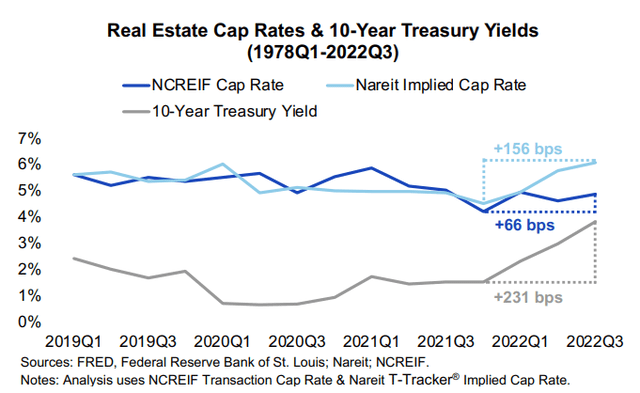
Figure 4: Rising interest and cap rates (Nareit)
Public real estate has priced in higher interest rates and slower growth, but the private market response has been sluggish. Public market cap rates have increased with more than 150 bp, while private market cap rates have only increased 66 bp.
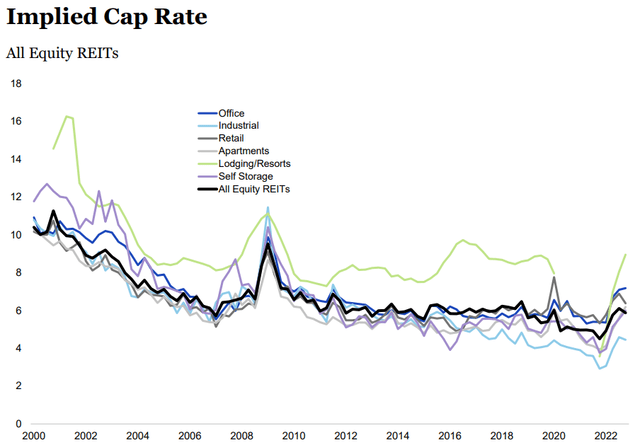
Figure 5: Cap rates (Nareit)
Capitalization rates (cap rates) measure a property’s net operating income (NOI), revenue less operating expenses, divided by its market value.
In the hypothetical example by JPMorgan below, an increase in cap rates from 4.5% to 6.25% leads to a 28% decline in value (holding NOI constant) for a USD 100 million office building!
If the borrower were to look at refinancing the loan at this lower valuation, keeping the loan-to-value ratio constant at 65%, the borrower would have to contribute an additional USD 18 million in equity to get the refinancing done.
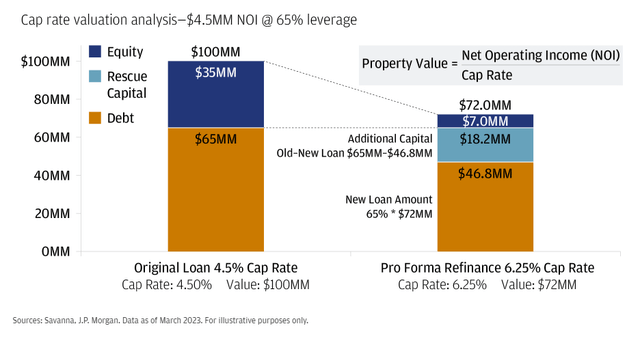
Figure 6: Cap rate valuation analysis (JP Morgan)
Borrowing costs
Higher interest rates lead not only to rising cap rates but also to an increase in borrowing costs. This higher interest rate environment translates into higher rates on both floating rate debt and new debt, resulting in higher interest expenses.
These higher borrowing costs come at a time that a high volume of low interest rate debt has to be refinanced.
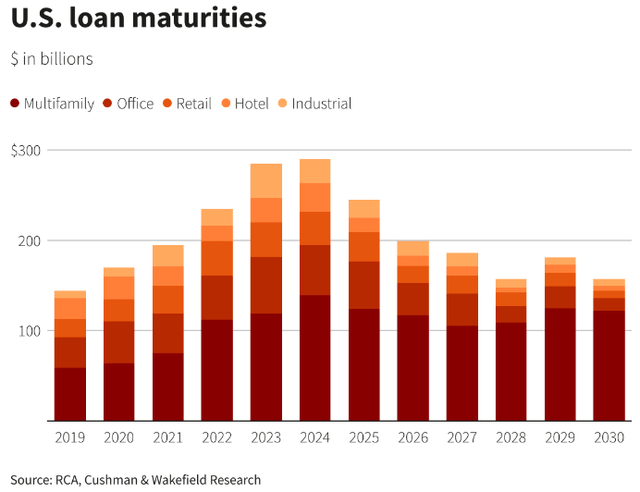
Figure 7: U.S. loan maturities (FT)
And this higher refinancing volume is coinciding with tighter underwriting standards.
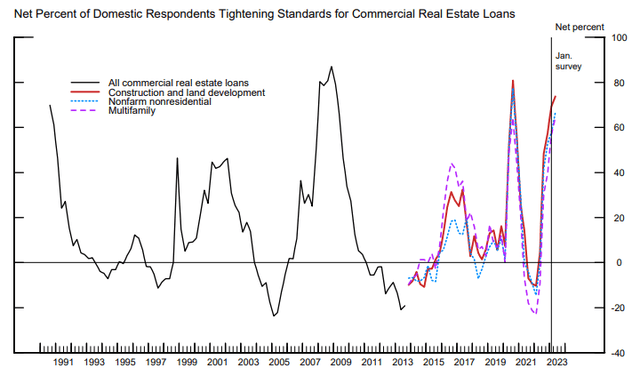
Figure 8: Senior Loan Officer Opinion Survey on Bank Lending Practices (Federal Reserve Board)
REITs are said to be well positioned to navigate in a more capital constrained marketplace. Management teams have laddered out maturities and reduced their leverage with less exposure to floating rate debt.
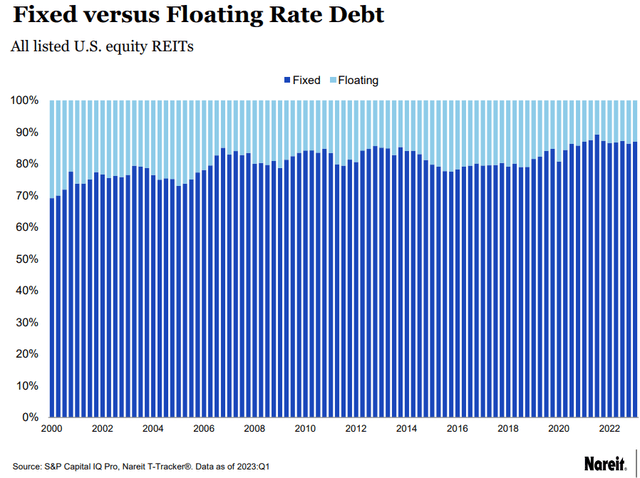
Figure 9: Fixed versus floating rate debt (Nareit)
But if rates stay higher for longer higher rates will lead to higher borrowing costs on both floating rate debt and fixed rate debt that has to be refinanced.
Will rates keep rising or will they decline again?
It’s an important question because research by Cohen & Steers shows that in a slow growth environment, REITs perform badly when rates are rising and very well when rates are falling.
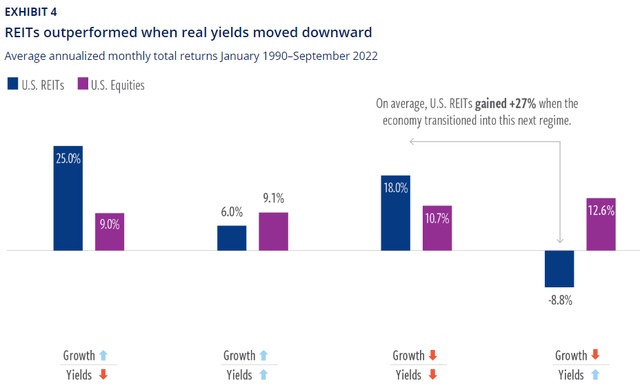
Figure 10: REITs and real yields (Cohen & Steers)
According to Jamie Dimon investors and businesses should plan for interest rates to remain higher for longer. He has been advising this to clients and banks: you should be prepared for 6 or 7% interest rates.
NOI Growth
According to Fitch, as a general rule, property net operating income must increase by 5%-10% to offset the negative valuation effect from a 50 bps increase in cap rates.
The past quarter’s NOI growth was indeed able to offset partially the negative impact of rising cap rates.
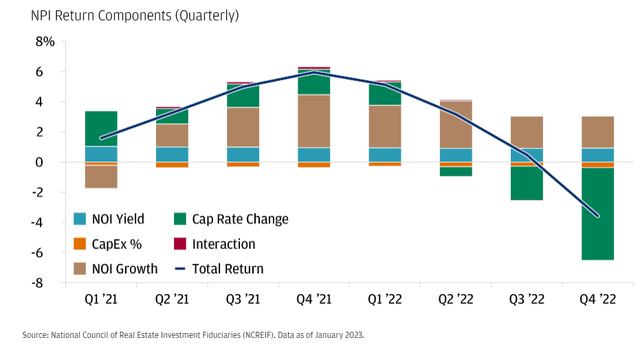
Figure 11: Return decomposition (JP Morgan)
What is the outlook for NOI growth?
The book “ The intelligent REIT investor” by Stephanie Krewson-Kelly and R. Brad Thomas stresses the importance of REITs trading above NAV in the outlook for growth. When REITs trade above NAV there is a green light on growth and when REITs trade below NAV there is a red light on growth. Trading above NAV allows a REIT to issue new stocks to fund growth. If a REIT trades below NAV it’s advisable to shrink the portfolio and/or buyback shares.
Currently, most REITs trade below NAV… A red light on growth.
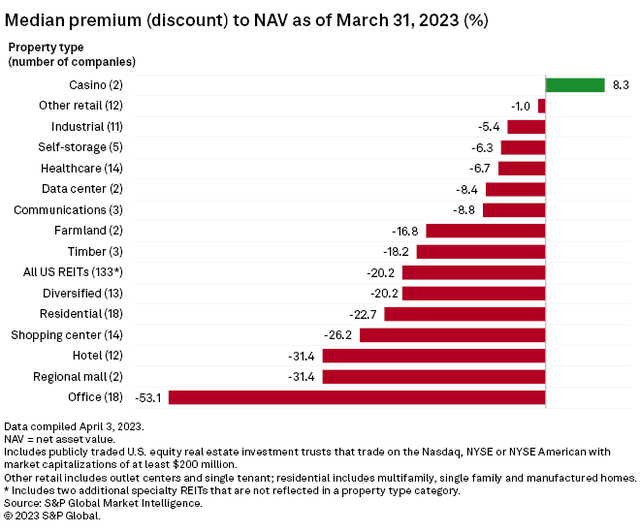
Figure 12: REIT Premium/ discount to NAV (S&P Global Market Intelligence)
Only casino REITs are trading with a premium to NAV.
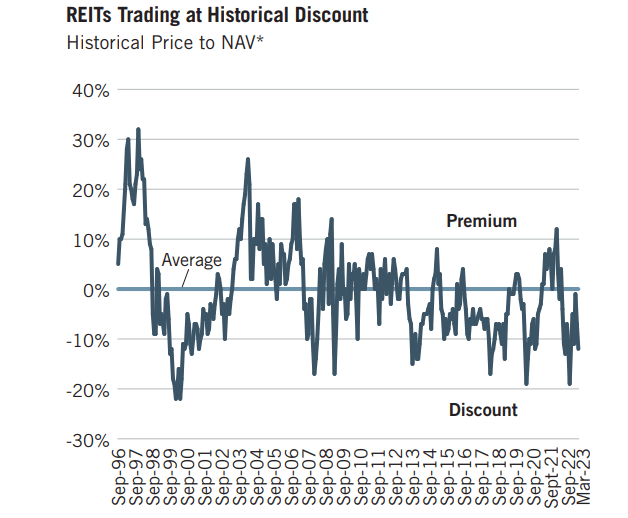
Figure 13: REIT Premium/ discount to NAV (Virtus Mutual Funds )
IPO-activity and secondary equity offerings are currently indeed very low.
REITS ≠ CRE
Although REITs do not operate in a vacuum, they are in better shape than the commercial real estate market in general. REITs are more diversified than private real estate. Offices e.g. are a relatively small part of the REIT universe.
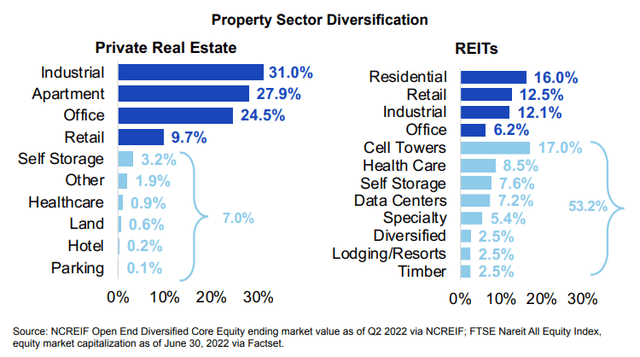
Figure 14: REITs vs private real estateFigure 14: REITs vs private real estate (Nareit)
This is also reflected in VNQ’s sector allocation, where offices are at 5% of the portfolio.
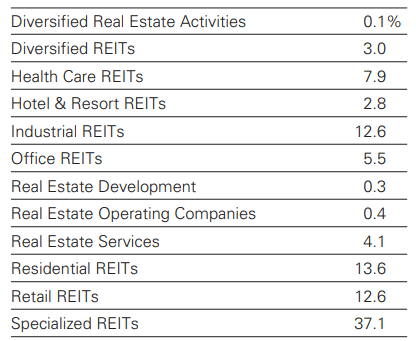
Figure 15: VNQ Sector Allocation (Vanguard)
A second point on which REITs score better than the broader commercial real estate market is the debt maturity profile. REITs have only 4% of debt maturing in 2023.
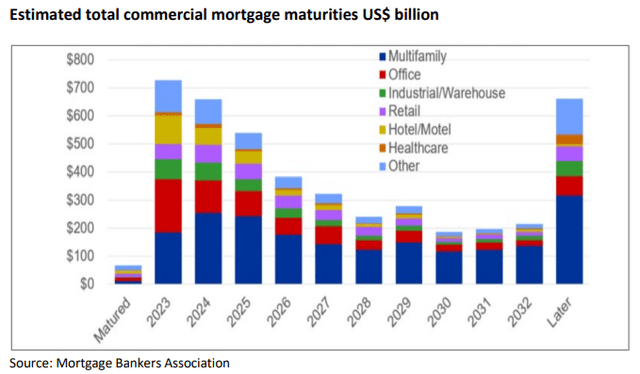
Figure 16: CRE Debt maturity profile (Resolution Capital)
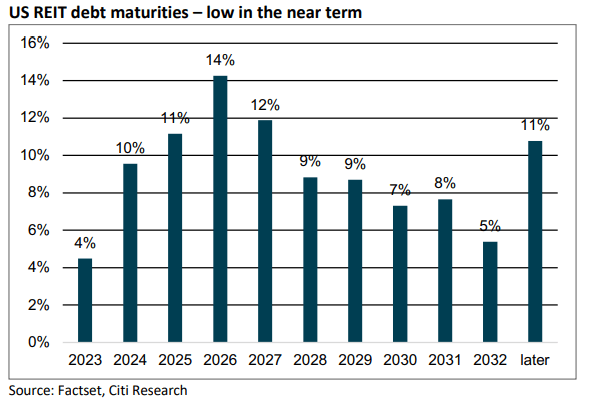
Figure 17: REIT Debt maturity profile (Resolution Capital)
REITs are also less reliant on banks for finance as they source most of their debt from the bond markets.
A final point in favour of REITs is their low pay-out ratio. This means they can use the retained earnings to fund their business and maintain their dividend.
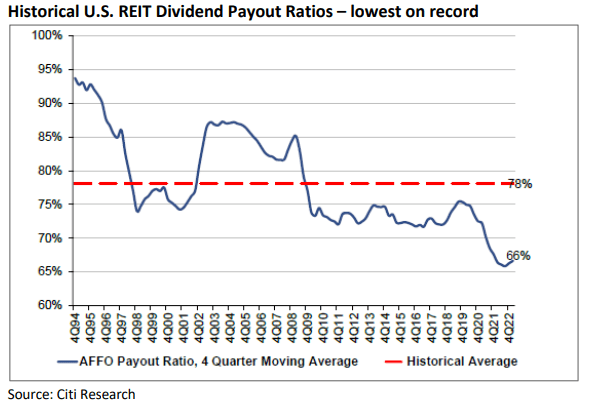
Figure 18: Payout ratio (Resolution Capital)
Scenario analysis
Let’s run some possible scenarios and check what the impact would be on REITs.
Scenario 1: A return to the great moderation
The REIT era started in the nineties and in that period bond yields and inflation declined, cap rates fell and REITs flourished. It was the period of the so-called great moderation.
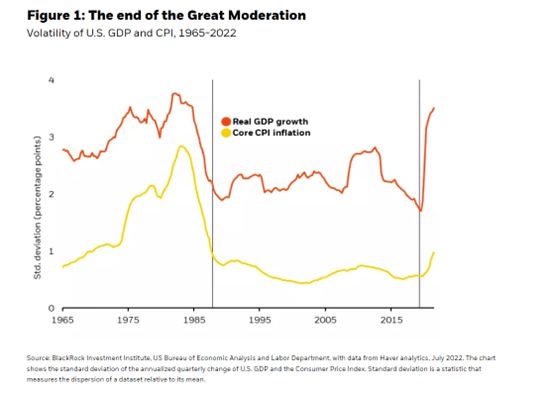
Figure 19: The Great Moderation (Blackrock)
The great moderation came to an end with the rising inflation and interest rates. There is currently some disinflation and if this continues we cannot exclude that we will return to a great moderation environment. This would be great news for REITs!
Scenario 2: A recession with a flight to safety
If we get a recession with lower rates due to a flight to safety, the impact on REITs will be mixed. Healthy economic growth tends to translate into greater demand for real estate and higher occupancy rates, supporting growth in REIT earnings, cash flow, and dividends. The flipside is of course that REITs performance is less stellar when the economy slows, or goes into recession. A recession is often greeted with a flight to the safety of treasuries. This leads to lower bond yields and cap rates, which is a positive for REITs.
Scenario 3: Fed starts to lower rates as implied by futures markets
In this scenario the Fed behaves as it is currently implied by futures markets. They will start cutting rates by the end of this year and by the end of next year the Fed funds drop to around 3.5%. This would be supportive for economic growth and hence be beneficiary for REITs. It remains to be seen what would be the impact on 10 year treasury yields and hence cap rates. If the economic situation normalizes, we could expect 10 year yields to be above the FED funds rate. This would mean that there is no big drop in 10 year yields. And also no accompanying drop in cap rates.
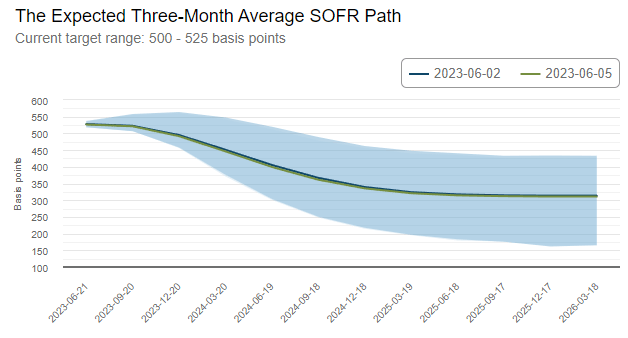
Figure 20: Implied Fed funds rate (Atlanta FED)
Scenario 4: The Jamie Dimon scenario
In this scenario inflation remains a big problem and the Fed raises the Fed funds rate to 6 or 7%. This would negatively impact economic growth and could lead to higher treasury rates and cap rates. Both outcomes would be negative for REITs.
If you believe 100% in scenario 1, you should start buying REITs today. If not, it’s better to adopt a wait and see approach.
When would REITs be a buy again?
- When REIT dividend yields are competitive again with treasury yields.
Higher interest rates make REIT dividend yields less attractive when compared with alternatives like treasury bonds. Currently the spread between the average REIT dividend yield and the 10 year treasury yield is less than the long term average. This spread can increase again due to lower treasury yields, lower REIT share prices (or a combination thereof).
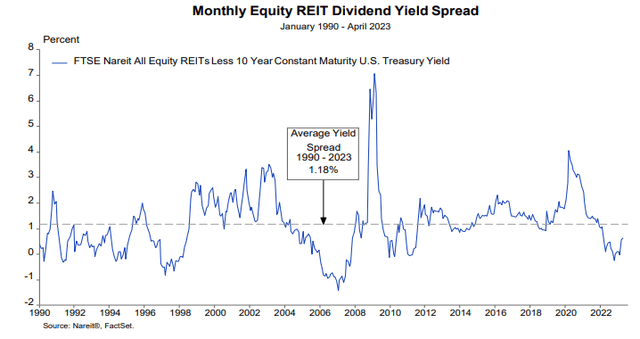
Figure 21: REIT dividend yield spread (Nareit)
- When REITs trade again at a premium to NAV
When REITs trade again at a premium to NAV, they get the proverbial green light on growth. This can again happen in two ways (or a combination thereof): NAVs drop further due to rising cap rates and/or REIT prices simply start rising again.
- When the long term trend turns positive again
Currently the REIT ETFs are still in a long term downtrend.
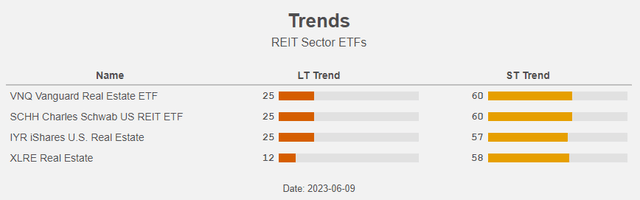
Figure 22: Trends (Yahoo! Finance, Author)
When the LT trend is clearly up, we get a green light/colour. Vice versa, when the LT trend is clearly down, we see a red light/colour. In between the colour is orange.
When the ST trend is oversold (a value below 0), we get a green light/colour. Vice versa, when the ST trend is overbought (a value above 100), we see a red light/colour. In between the colour is orange.
The ribbon in the price-part of Figure 23 shows the LT trend-colour through time, while the lower part of the chart shows the ST trend. We left out the orange colouring to avoid overloading the chart.
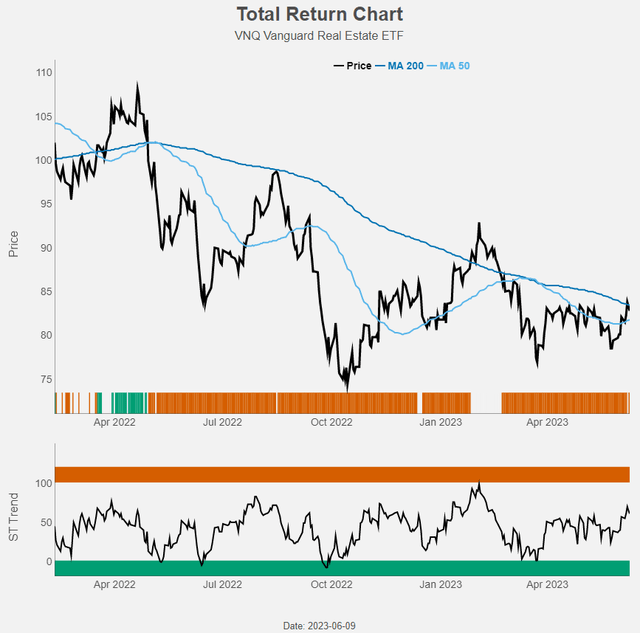
Figure 23: Total return chart (Yahoo! Finance, Author)
In summary, we will be buying REITs again when
- the dividend yield is more attractive compared to treasury yields,
- REITs trade above NAV and/or
- when REITs are back in a long term uptrend.
While we wait to see which scenario unfolds to get there we receive an above 4% dividend yield on VNQ. Two years ago the dividend yield was as low as 2.5%.
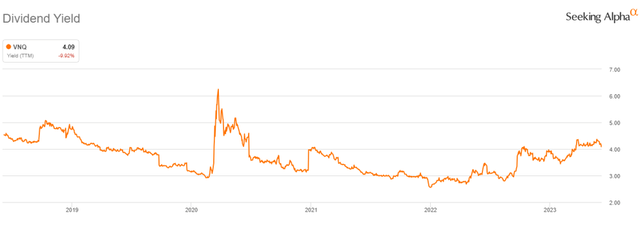
Figure 24: VNQ dividend yield (Seeking Alpha)
Also another valuation-metric, P/FFO, is again in line with the long-term average. REITs are on the one hand no longer expensive, but on the other hand they aren’t yet cheap.
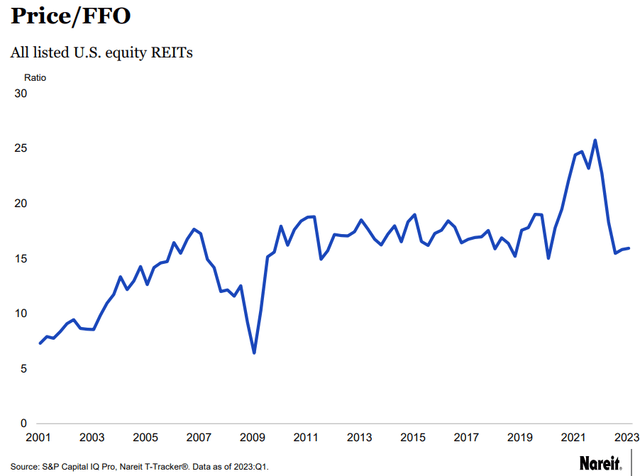
Figure 25: REIT valuation (Nareit)
Conclusion
High interest rates, a slowing economy and rising cap rates have a negative impact on REITs. REITs are trading below NAV which makes it expensive to raise capital and hampers growth. High interest rates also make new debt expensive.
It remains to be seen which scenario unfolds. Rates could be higher for longer and cap rates might climb even further. Most REITs are in good shape and should be able to cope with a more difficult environment.
High cap rates and tighter lending standards put a break on new supply and stronger real estate players, like most REITs, will profit from this development.
For us, it’s too soon to start buying REITs. We have a hold-rating for a well-diversified REIT ETF like the Vanguard Real Estate ETF that offers an above 4% dividend yield, compared to a dividend yield of only 2.5% two years ago.
Credit: Source link