

















These phones are best-sellers elsewhere around the world, but US consumers probably haven’t even heard of them.
We may receive a commission on purchases made from links.
Three of the world’s top five smartphone makers (Xiaomi, Vivo and Oppo) are almost nowhere to be found in US retail. This isn’t an oversight; rather, it’s the result of carrier gatekeeping, geopolitical friction and business models that don’t align with how phones are sold in America.
The gap is wider than most US consumers might realize. While shoppers in Europe, Asia and Latin America choose from a broad field of genuinely competitive devices, Americans are largely limited to Apple, Samsung and a handful of others. The rest of the global market, which includes brands that consistently outperform on cameras, charging speed and value, remain out of reach through official channels.
If you walk into any Verizon or AT&T store, your choices are predictable: iPhone, Samsung Galaxy, and maybe a Google Pixel or a Motorola. Meanwhile, Xiaomi, Oppo and Vivo — brands that ranked third, fourth and fifth in global smartphone shipments in Q2 2026 per Counterpoint Research — have no meaningful official presence in US stores.
Meet the Android brands rarely sold in the US
The US carrier market is heavily dominated by Apple, Samsung, Google and Motorola. The good news is that these brands put out some amazing phones. However, the bad news is that there are plenty of major Android manufacturers that deliver even better devices that never make it into North America.
-
Xiaomi is one of the biggest Android smartphone brands, with some 6 percent of the global revenue and 12 percent of the shipment volume. Although it’s not banned, Xiaomi chose not to sell its phones in the US to avoid the high cost of carrier certification and potential political risks.
-
Oppo was the world’s fourth-largest smartphone vendor at the end of Q2 2026, with 7 percent of the global revenue share and 11 percent of all shipped devices. While there’s no official ban on its products, Oppo chose not to enter the US market due to commercial strategy, heavy carrier distribution costs and the overall geopolitical friction. The company previously had an indirect US presence through OnePlus, but the brand is now exiting North America and Europe.
-
Vivo is the world’s fifth-latest smartphone vendor. Much like the rest of the brands above, this Chinese brand stuck to European, Asian, Latin American and the Middle East markets and bypassed the US altogether.
-
Honor is yet another brand that does not sell its phones in the US, due to mostly the same reasons as all above-mentioned brands.
What you’re missing out on from these popular Android brands
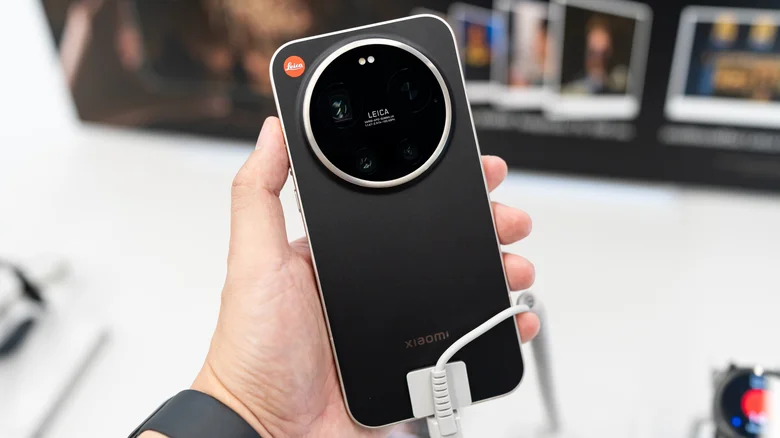
While some budget-friendly options are available from these brands, the flagship phones aren’t cheap; their prices reflect the impressive specs and features.
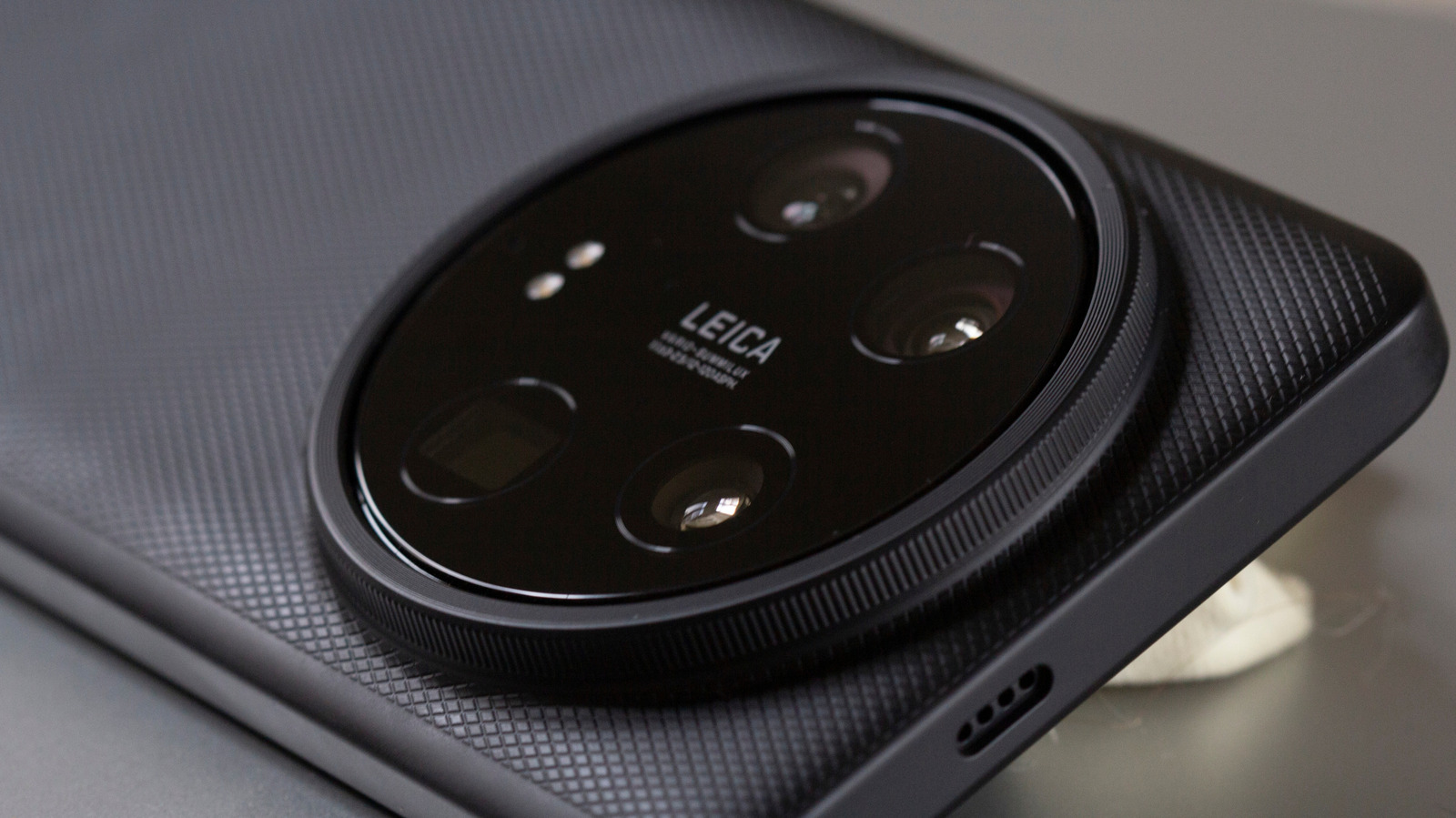
Xiaomi’s newest flagship phone, the 17 Ultra, carries a 50MP 1-inch primary camera sensor paired with a massive 200MP telephoto sensor, delivering better pics than you’d get with Samsung’s S26 Ultra. The phone also comes with 90W speedy charging and an IP69 rating. The Oppo flagship Find X9 Ultra brings some of the best photography and hardware engineering we’re yet to see in smartphones, including the industry-first Penta Camera System, as well as ultra-fast 100W charging and IP68/IP69 water resistance across its designs.
Vivo’s new X300 Ultra smartphone is an absolute photography powerhouse, can recharge in a blink with its 100W fast charging capabilities and features a speedy 144Hz 2K AMOLED screen. While it was formerly a Huawei sub-brand, Honor’s phones still offer great software update policies, 100W wired charging, and great photography features. The Honor Magic 8 Pro, for instance, comes with a 200MP telephoto camera.
Budget options are equally compelling. Xiaomi’s Poco X8 Pro offers a 6500mAh battery with 100W charging for around $360 on Amazon, while the Honor 600 features a 200MP main camera for roughly $855 through an importer on Amazon. The charging speed gap is worth noting, since most US flagship phones top out around 65W.
They’re not banned, but rarely sold in the US
While none of these brands are officially banned, the combination of political tensions, trade restrictions and targeted actions against Chinese tech firms has created a challenging environment. Furthermore, carriers control a good chunk of smartphones sales across the US, offering subsidized or installment-based pricing that makes buying through them financially attractive. To sell through a carrier, however, a manufacturer must pass an expensive certification process, meet the carrier’s technical requirements and agree to revenue-sharing arrangements that cut into margins.
Therefore, if you really want to get your hands on a phone from any of these brands, you can technically do so. Some models will pop up on Amazon or can be ordered through various importers. Global variants of Xiaomi, Honor and Oppo phones are available online. The problem is that US carriers require certain LTE and 5G frequency bands these phones may lack, resulting in patchy coverage, Features like VoLTE and Wi-Fi calling might not even work. Plus, Chinese market-specific variants ship without Google Play Services which is highly inconvenient.
For US consumers, a combination of carrier interests, geopolitical concerns and misaligned business models have produced a smartphone market that’s less competitive than it looks. Unless carrier dynamics shift or trade policy between the US and China changes course, Xiaomi, Vivo, Oppo and Honor will remain largely inaccessible through official channels. With that, all their impressive features remain locked away for US buyers.
Credit: Source link