

















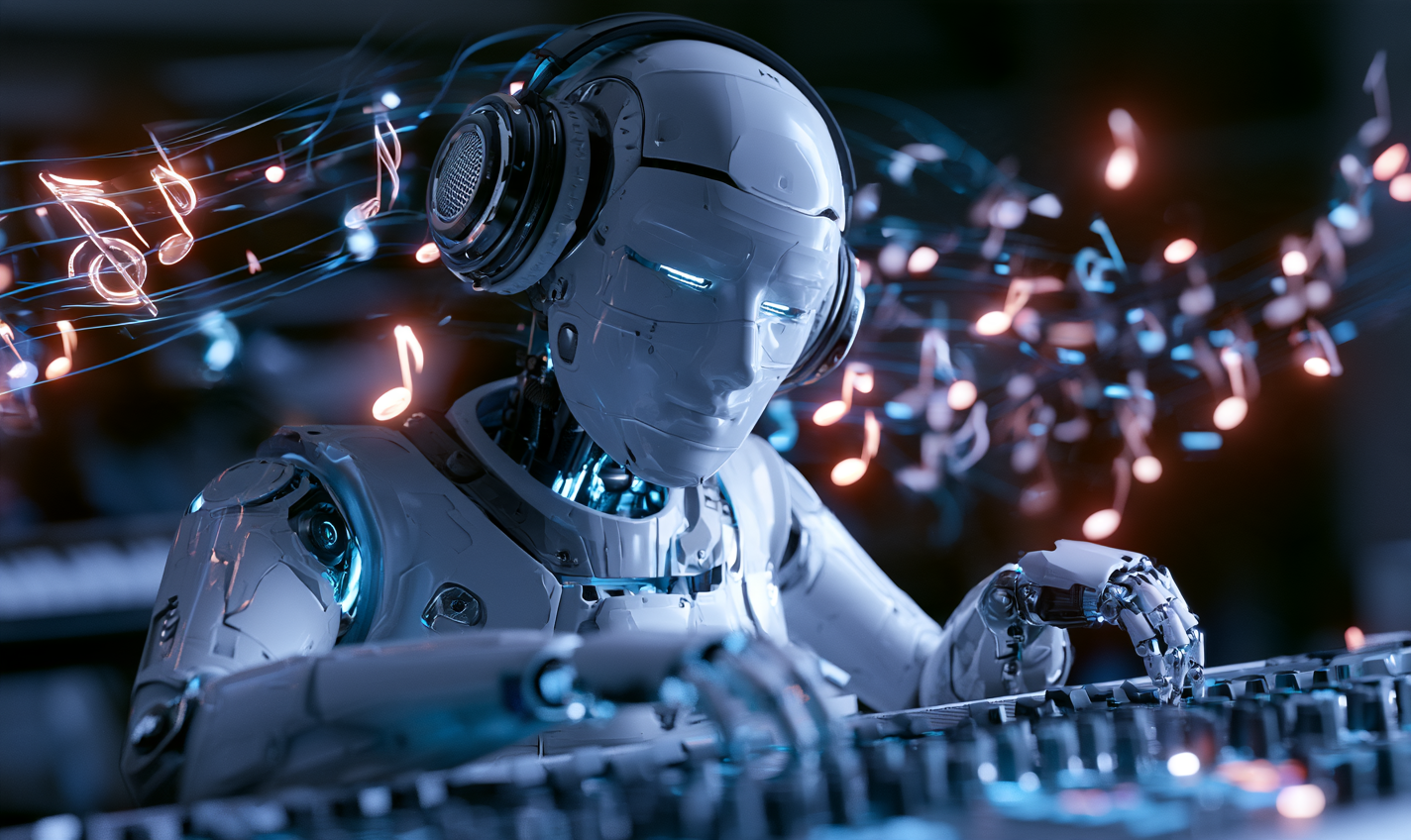

AI-generated music has quickly evolved from an experiment into a growing part of the music industry. AI tools can create complete songs from simple text prompts within seconds, and streaming platforms now receive thousands of AI-generated tracks daily. Despite its rapid growth, many listeners have negative opinions about AI music.
AI Music’s Rapid Growth on Streaming Platforms
The amount of AI-generated music is growing rapidly. Deezer, a streaming platform that transparently tags AI-generated music, receives almost 75,000 AI-generated tracks per day. These tracks represent roughly 44% of the platform’s daily uploads. However, producing more music does not mean people are listening to more AI music. Many AI-generated tracks receive few or no plays, showing that easy production does not automatically lead to audience interest.
Listener Concerns About AI-Generated Music
Many listeners say they prefer music created by humans. Their opinions are influenced not only by how a song sounds but also by concerns about authenticity, creativity and the future of the music industry. A study conducted from May to November 2025 that tracked attitudes toward AI use in music creation found that listener sentiment became more negative over the period, shifting from -13% to -20% on a net comfort scale.
Authenticity and Artist Connection
Listeners can prefer human-made music because it creates a personal connection with the artist. Knowing that a real person wrote, performed or produced a song can make the music feel more authentic and meaningful. Listeners may connect with an artist’s emotions, experiences and struggles, making the song feel more relatable. AI-generated music can weaken this connection because there may be no human artist behind the song, even when listeners enjoy how it sounds.
Labeling’s Effect on Listener Perception
Knowing that a song is AI-generated can change how a listener feels about it. Someone might enjoy a song when they believe a human made it, but view it differently after learning that AI generated it. In fact, a study found that participants rated music as significantly more likable, emotionally positive, engaging and higher in quality when told the music was performed by a human rather than AI, even though the audio was the same in both cases.
Job Security Concerns for Musicians
The growth of AI-generated music has raised concerns about the future of musicians. As AI becomes better at producing songs, some listeners might worry that singers, songwriters, producers and other music professionals could lose opportunities. Companies may choose AI because it can produce music quickly and at a lower cost, potentially reducing the demand for human creators.
AI Assistance vs. Full Replacement
Listeners often view AI differently depending on how it is used. Using AI for tasks such as mixing, mastering, sound design or songwriting assistance can be seen as helping human creators. However, reactions can be more negative when AI generates an entire song with little to no human involvement.
Transparency and Listener Choice
A listener’s opinion of AI can also affect how they respond to AI-generated music. People who are excited about artificial intelligence may be more open to AI-created songs, while those who are concerned about automation may judge them more negatively.
As such, listeners want to know whether the music they hear was created by a human, AI or a combination of both. Clear labeling gives listeners the information they need to make their own choices.
Copyright and Artist Compensation Concerns
Copyright is another major concern surrounding AI-generated music. AI systems are often trained using large amounts of existing content, raising questions about whether artists’ recordings, compositions and voices can be used without permission. Musicians and copyright holders also question whether creators should receive compensation when their work contributes to the development of AI systems.
Streaming Saturation and Discoverability
The rapid growth of AI-generated music could also make streaming platforms more crowded. AI tools can create large numbers of songs in a short time, allowing creators to upload music much faster than traditional production methods allow. Some people might worry that this could make it harder for human artists to get noticed and for quality music to stand out.
Blind Listening Tests and Listener Bias
Blind listening tests reveal an interesting difference between what people say about AI music and how they actually respond to it. A survey of 9,000 people found that 97% could not distinguish between music entirely generated by AI and music created by humans. This suggests that AI-generated music has become convincing enough to sound similar to human-made music, even to a large group of listeners.
The finding also highlights a gap between people’s opinions about AI music and their ability to recognize it. Listeners may have strong concerns about AI-generated music, but those concerns do not necessarily mean they can hear when AI is being used.
Other research found a similar result. Before listening, most participants said they preferred human-made music. After hearing both AI-generated and human-made songs, they rated the two types of music similarly. However, even when listeners enjoyed the AI music, they remained less willing to endorse it.
These findings suggest that listeners may not actually dislike the sound of AI music. Instead, they may be reacting to what AI-generated music represents, including concerns about creativity, authenticity and the future of human musicians.
Balancing AI Innovation and Human Creativity
The reality of AI in music or other creative industries is here to stay. In fact, experts predict that generative AI could contribute up to $4.4 trillion annually to the global economy, highlighting its transformative potential. However, the future of AI music may depend on finding a balance between technological innovation and human creativity.
There is a big difference between a human-created song that uses AI tools and a song generated almost entirely by AI. With AI-assisted music, a human artist remains responsible for the main creative decisions. AI simply helps with specific parts of the production process. With fully AI-generated music, the system can create the melody, lyrics, vocals and arrangement with little or no human involvement.
AI can make music production faster and more accessible, but platforms and artists still need to consider transparency, fair opportunities and the value of human-created music. Rather than completely replacing musicians, AI may be most useful when it supports human creativity rather than removing it from the process.
Artists and producers can use AI to help with tasks such as audio cleanup, mastering, sound design, vocal processing and separating instruments from recordings. AI can also help restore older recordings or isolate specific sounds that would be difficult to edit manually. These tools allow musicians to work faster while keeping control of the creative process.
The Future of AI Music and Listener Trust
AI-generated music is rapidly growing, but listener attitudes are more complicated than simple rejection. Evidence indicates that most people don’t dislike the music itself. Instead, they prefer human-made music because of external concerns such as authenticity and copyright.
Blind listening tests show that many listeners cannot reliably distinguish AI music from human compositions and may enjoy both equally. As a result, the debate centers less on the appeal of AI music and more on issues of trust, transparency, creativity and the role of humans in the music industry.
Credit: Source link