






































Due to “sharply inflated” memory costs, global smartphone prices are up an estimated 20 percent since the start of the year, which phone makers are passing on to consumers. Accordingly, people are holding on to their devices for longer, or turning to refurbished phones. Maybe that should have been the case all along, but there’s still one major barrier to handset thriftiness: tech companies largely do not offer cheap battery replacements.
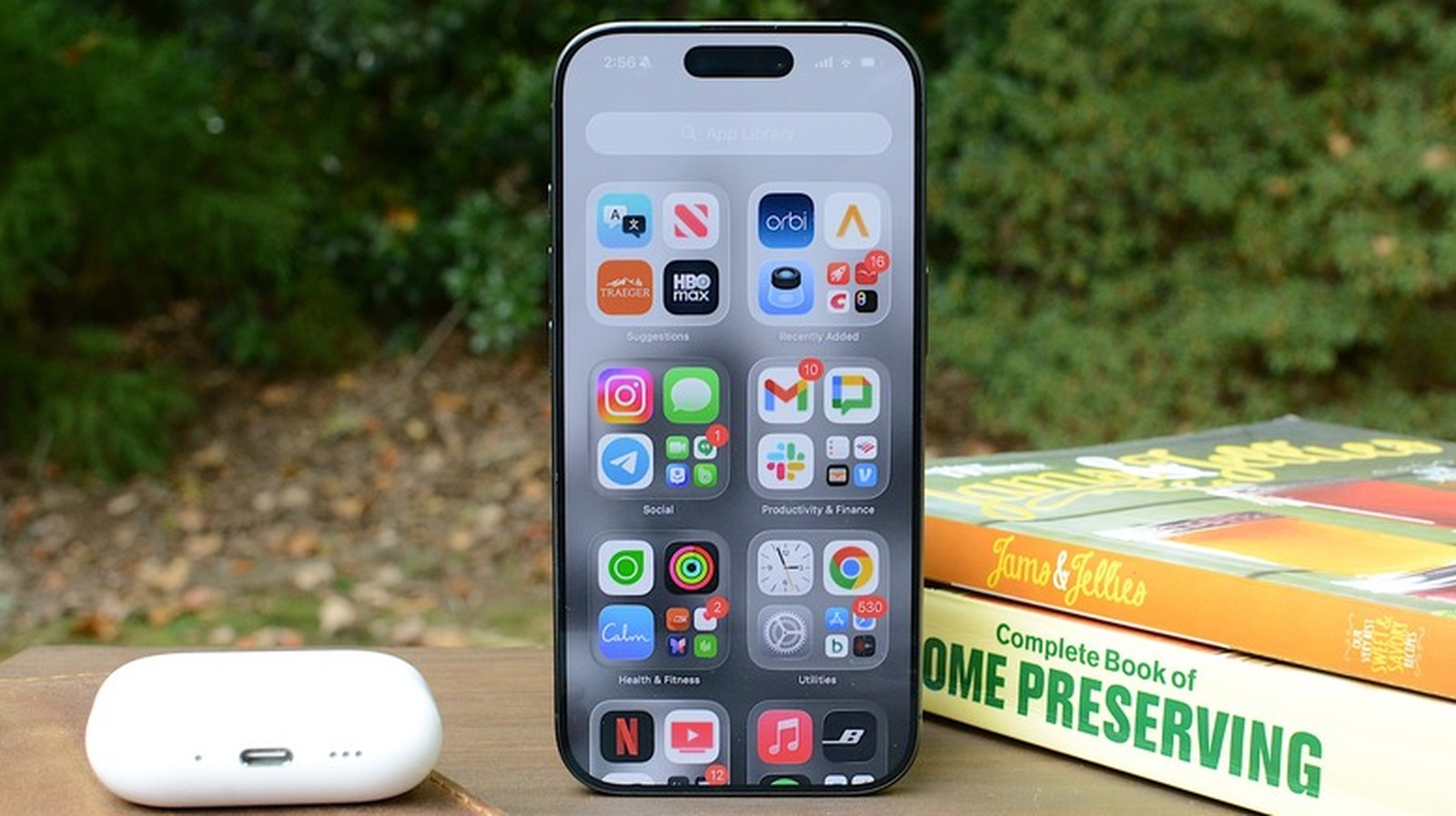
Let’s look at how much Apple charges to replace your phone’s battery. If you own the newest Pro model, you’re looking at $129 (or $10 more than older Pro models) for an out-of-warranty battery service direct from the company, while an older base model, such as the 2020 iPhone 12, will set you back $89. Apple has priced iPhone Duo batteries at $229.
Apple’s current prices are in line with its competitors. Samsung doesn’t prominently list the cost of out-of-warranty battery replacements on its website, but most reports online suggest you can expect to pay between $99 and $129 for a new one if you go directly through the company. Both Apple and Samsung incentivize people to sign up for their extended warranty plans (AppleCare and Samsung Care+, respectively) with included battery replacements, but those are packages you need to sign up for shortly after buying your device. iFixit is a great DIY alternative, but most modern phones aren’t designed to be easily user-repairable.
At first glance, none of those prices are egregious, but historically Apple has charged far less. In 2018, the company dramatically reduced the price of out-of-warranty battery swaps as part of the fallout from its iPhone throttling debacle. For a full year, the company charged just $29 in the US — $50 less than its regular price at the time. Before 2018, it averaged about 1 to 2 million battery swaps per year; in 2018, that number reportedly jumped to 11 million.
If you remember that episode, you may also recall then-CEO Tim Cook cut the company’s revenue forecast in January 2019, saying some customers were “taking advantage of significantly reduced pricing for iPhone battery replacements” instead of upgrading. Apple’s revenue for the quarter fell 5 percent year-over-year, driven by a 15 percent drop in iPhone revenue. But Cook attributed most of the shortfall to an economic slowdown in China, worsened by the trade war between the US and China. Cheap battery replacements were, at best, a minor factor.
Since 2018, phone prices have climbed, gradually at first and then sharply in recent months. On the same day Apple announced the iPhone 18 Pro and iPhone Duo, it raised the price of its older iPhones, including the 17, by $100. At the start of this month, Samsung hiked the price of most of its S26 phones by $100. That came after the phones had already launched at a higher price than their 2025 counterparts. Even midrange phones have been affected. Take Samsung’s FE line of phones. At $700, the newest model, the S26 FE, costs more at release than the S25 FE and S24 FE did, and the new phone offers only modest upgrades over their predecessors.
More broadly, American consumers have seen their purchasing power decline, even as paychecks have grown. Consumer prices are up about 34 percent since January 2018, meaning a dollar now buys roughly a quarter less than it did then. On paper, workers are earning more. Average hourly earnings for private-sector employees rose from $26.72 to $29.91 by December 2020, an 11.9 percent increase, while the Consumer Price Index rose 5.3 percent, for a real gain of about 6.3 percent. But the average masks what happened to the typical worker. A recent Pew Research Center analysis found that median weekly wages, adjusted for inflation, fell about 3.2 percent between December 2020 and December 2025. Average wages have slipped too: real hourly earnings are about 1 percent below their December 2020 level, and in August they were down 0.3 percent from a year earlier as inflation outpaced pay.
One of the most disappointing aspects of the memory crunch has been watching companies like Apple and Samsung respond. For the most part, they’ve moved to protect their profitability by raising prices above inflation. For example, the $100 increase on iPhone 17’s previous $799 price represents a 12.5 percent jump at a time when the cost of other consumer goods only rose about 3.4 percent. While phones have become more complex, labor costs have increased and some components have grown more scarce, the one part of a phone that has truly cratered in cost has been the lithium-ion cells that power them.
Before the memory crunch, there were already good sustainability arguments for companies to offer cheap battery replacements. However, if the predictions from SK Hynix and other memory manufacturers prove true, and supply won’t catch up with demand until 2030, Apple, Samsung and every device manufacturer should offer cheap, out-of-warranty battery replacements while memory shortages last.
Credit: Source link