



















David Green, Founder, Wall Street Global Trading Academy, explains why futures trading is cheaper, faster, and easier for beginners.
Transcript:
CAROLINE WOODS: Break that down a bit for us though. Kind of a futures 101. What do we need to know about actually trading futures?
DAVID GREEN: All right. Well, there’s a lot that you need to know. And education is a big part of it, and that’s really the main reason that we hooked up with APEX funded trading so that we can educate, educate the people out there on how to actually trade futures. The instruments that we’re looking at most normally are the S&P 500 futures, which the symbol is ES. We trade gold futures. You can trade lean hog futures. There’s really no limit to what you can trade futures wise. And as far as technical analysis is concerned, which is our big thing. Everything that we do is based on technical analysis. Not that complicated. It’s not that hard to learn. It’s just like trading a regular stock. It’s just getting used to a different instrument.
CAROLINE WOODS: But if I’m buying S&P 500 futures, how is that different than just buying an ETF that tracks the S&P 500?
DAVID GREEN: Well, first of all, we’re day trading right. And it’s not different than that if you’re day trading. If I trade the S&P. I think it trades at 400 whatever it’s trading at now I really couldn’t afford to even buy 100 shares of that if I was a regular trader. It’s like $47,000 or $50,000. When I trade a future, you can buy one futures contract for as little as $50. That’s what it costs when you’re trading an S&P futures contract.
CAROLINE WOODS: So these aren’t buy and hold type trades?
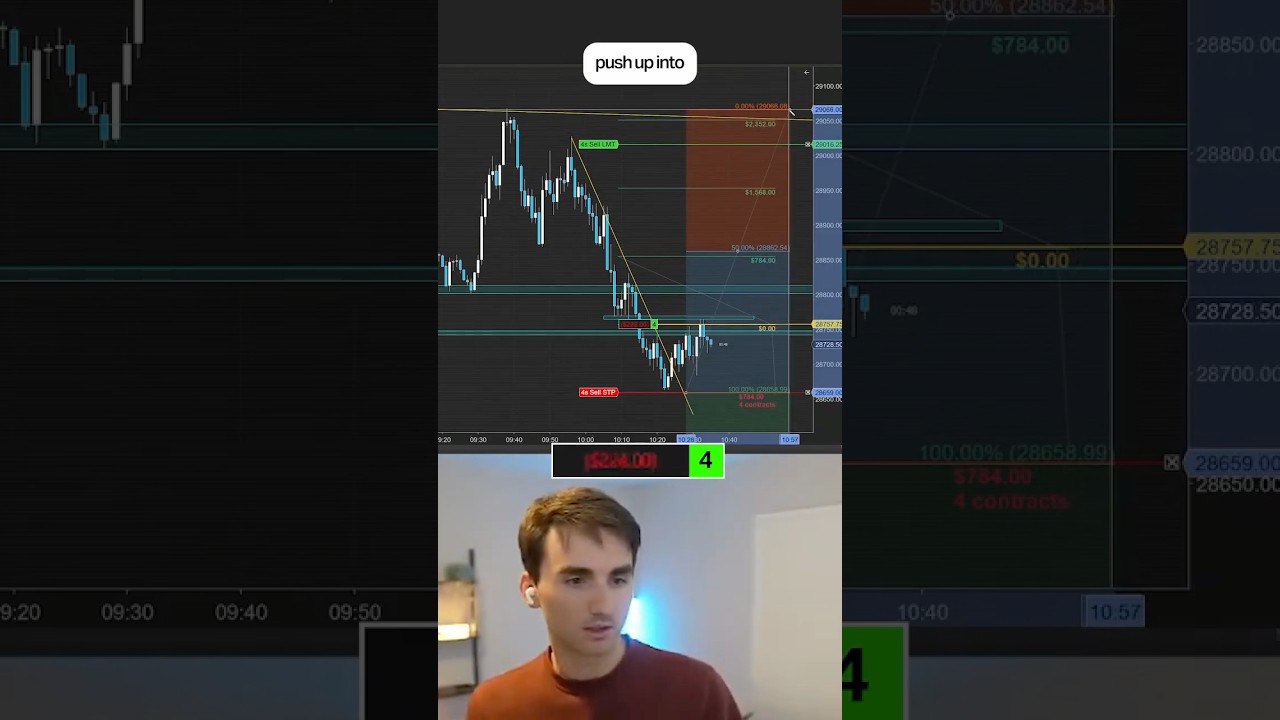
DAVID GREEN: No, we are day traders. Basically we are scalpers, which a lot of people might think is a dirty word, but it’s not. We look to get in and out of our trades very quickly. If I’m trading, for instance, the S&P 500 futures and I buy one contract of the IS, each point that moves up, I make $50 on if I’m correct. So if I buy a couple of contracts. And I make 202 points on that, I’m making $200 every time I make a trade. As a day trader, we’re looking to make small amounts of money that add up to bigger amounts of money at the end of the day, the week, the month, and the year. And we have a very strict set of rules. When we’re trading this, we have a stop order on every single trade that we do. And it’s just it’s day trading. That’s what it is. At the end of the day, we have no positions. We go home, we put our heads on a pillow, we’re able to sleep at night and not worry about it. Although, listen, I’ve been an investor since I started working on the floor in 1985, 40 years ago. We do talk about that occasionally, but we are day traders.
Subscribe |
Earn. Live. Invest. |
TheStreet Pro |
#Investing #Stocks #WallStreet
source