
Lower cost doesn’t always mean lower quality.
Using a popular postpaid plan with one of the three major phone carriers (AT&T, T-Mobile or Verizon) isn’t cheap. Most of them cost at least $50 per month and can get close to $100/month for a single person. You have to join the priciest plans to take advantage of many “on us” phone deals, and they frequently inflate the cost with bundled extras you might not even use.
Thankfully, these carriers aren’t your only option. There’s a whole fleet of low-cost mobile providers, known as mobile virtual network operators (MVNOs), that provide reliable service for a fraction of the price. I’ve been using these services for over a decade and would recommend them to pretty much everyone.
Understanding MVNOs
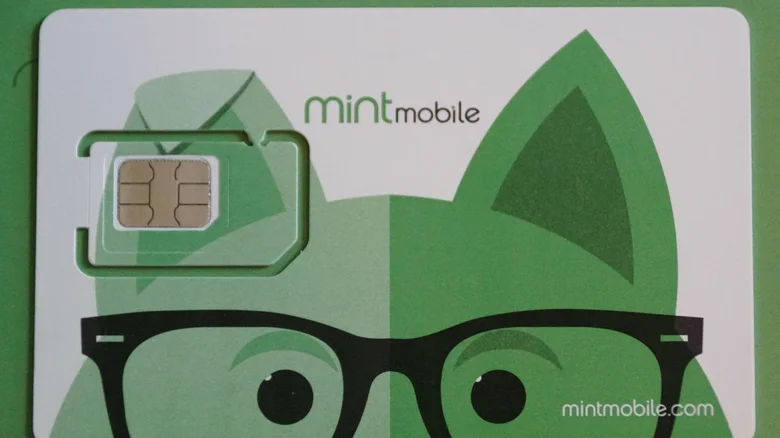
The big carriers like Verizon and AT&T are officially known as mobile network operators (MNOs). They’re the businesses that control all the infrastructure involved in making cell connections happen, like towers and radio access networks. In contrast, MVNOs are “virtual” because they run a network without owning any of what powers it. These companies lease huge amounts of access from the network operators, then sell it to customers at lower rates.
This means when you subscribe to an MVNO like Mint Mobile, you’re still on the network that company rents from (in Mint’s case, T-Mobile). Direct customers get priority when the network is busy, so its MVNO subscribers might see slowdowns during congestion.
Most of these services are prepaid (service is charged upfront monthly or yearly) instead of postpaid (after each month’s usage) like the big carriers. Traditionally, postpaid plans locked you into a contract, but this is no longer common. Instead, they promote “free” phones that are covered by bill credits over 24 to 36 months. If you leave before the device is paid off, you have to cover the balance. Credit checks are also required for postpaid plans.
Aside from not worrying about network ownership, MVNOs keep costs down in other ways. Many of them lack physical stores; support is on the phone or online. If you finance a phone purchase, it goes through services like Affirm instead of the carrier. And they rarely offer bundled subscriptions like streaming services with your plan. Keeping it simple makes business easier for the MVNO and means you pay less as a customer.
Exploring MVNO options
While most MVNOs work in the same way overall, each has slightly different plans and options. Mint Mobile (which is owned by T-Mobile) is known for its paid-upfront plans; it costs less per month depending on whether you pay for three, six or 12 months at once. The best rate is $15/month on the 12-month 6GB plan. If you need more data, other tiers include 17GB, 23GB and “unlimited” (50GB).
Visible is Verizon’s MVNO; it offers three tiers. The core Visible plan is $275/year (or $25/month), including taxes and fees. It provides unlimited data, even when using your phone as a mobile hotspot. Higher tiers include access to Verizon’s Ultra Wideband 5G for faster streaming, along with a few other perks like several days of international usage.
US Mobile offers greater flexibility if you haven’t found what you like elsewhere. It supports all three major networks; you’ll pick one during setup and can switch to another for $2 (or whenever you want with the Unlimited Premium plan). Aside from the unlimited offerings, US Mobile features family plans where multiple lines share one pool of data. If none of those click, try building a custom plan with the minutes, text and data you need.
Google Fi Wireless is yet another option that’s great if you regularly travel internationally. The Unlimited Premium plan is pricey at $65, but it includes 50GB of monthly data that works in most countries. You don’t have to purchase a separate pass or worry about overages; your phone works as soon as you land. If your data usage differs by month, the Flexible plan costs $20/month for talk and text, plus $10/GB of data (which is also available internationally).
The MVNO experience
Moving to an MVNO isn’t difficult, but as with any switch, it does require a few steps. The sites for most of them have tools to check if where you live is within coverage and whether your phone will work on the network. If you’re currently paying for a phone with a carrier like AT&T, you’ll have to pay it off when switching. If you plan to use that phone with your new carrier, follow the outgoing company’s policy to get the device unlocked; otherwise, you can purchase a phone from the new carrier.
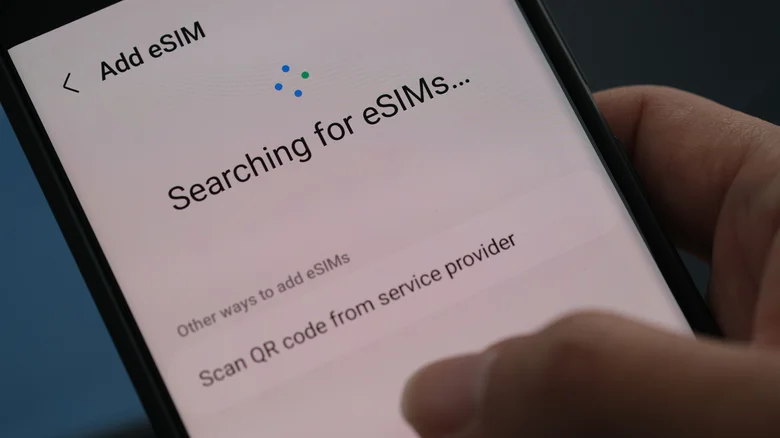
You’ll be guided through moving your phone number to your new plan. Most phones today support eSIM (the iPhone 14 and newer lack a physical SIM slot), which makes it easy to get connected without waiting for a physical SIM in the mail. Your MVNO’s app will walk you through this process.
I’ve been using MVNOs since the end of 2015. I used Google Fi (back when it was called Project Fi) until mid-2020, when I switched to Mint Mobile. Aside from rare hiccups, I’ve never felt like I’m on a second-rate network. The network speeds are plenty fast enough to do everything you need. I only use a few gigabytes of data per month, buy unlocked phones from the manufacturer, and keep my subscription list slim. That’s why the “free” devices, “unlimited” data and bundled extras of big carriers aren’t worth the high cost for me.
In the time I’ve been with Mint, the company has upgraded the amount of data on each tier multiple times, at no extra cost. The cheapest plan was 3GB when I joined, which shifted to 4GB in 2021, 5GB in 2023, and then 6GB in 2026. Given how the cost of everything else constantly goes up while simultaneously dropping in quality, I appreciate this.
Chances are, if you use one of the big three carriers, you’re overpaying. The devices they offer “on us” come at the cost of paying for a top-tier phone plan. You’ll save in the long run by purchasing a phone outright and pairing it with a cheaper mobile plan. Evaluate how much data you actually use and don’t worry about “unlimited” if you only need a few gigabytes per month.
Credit: Source link