
Supply chain bottlenecks can be financially devastating for manufacturers, suppliers and distributors. Artificial intelligence is one of the most promising emerging solutions. Could utilizing AI in supply chain management eliminate disruptions and delays?
Ways Supply Chain Bottlenecks Can Appear
A supply chain bottleneck — a point where the flow of goods is obstructed — can happen for several reasons.
1. Unexpected Demand Surges
Shifts in consumer demand can cause widespread supply chain disruptions. Manufacturers, suppliers and distributors are usually unprepared to handle a sudden, massive uptick in orders, which can cause lengthy delays.
2. Labor Shortages
Companies can only move goods if they have someone to distribute them. Widespread labor shortages impact every aspect of the supply chain sector, making it challenging for logistics businesses to keep things flowing smoothly.
3. Facility or Factory Closures
Even a single closure can have a ripple effect on an entire supply chain because it cuts off the flow of goods. Companies without contingency plans are left scrambling to fill the gap. In the meantime, their products sit collecting dust.
4. Counterfeit Products
Logistics fraud is a massive global issue. According to some of the latest public data, over $509 billion of counterfeit products were traded internationally in 2016. When they illegally enter the supply chain, they can confuse and disrupt the flow of goods.
5. Geopolitical Conflicts
When countries fight, their imports and exports stop being a priority — and nearby trade routes often become dangerous. Geopolitical conflicts can disrupt logistics organizations’ standard routines, causing long-term supply chain bottlenecks.
6. Extreme Weather Events
No place on the planet is safe from extreme weather events. Floods, blizzards, earthquakes and tornadoes can prevent boats, planes, and delivery trucks from going anywhere. Since the fallout can last for days or weeks, lengthy supply chain disruptions are practically inevitable.
The Importance of Eliminating Supply Chain Bottlenecks
Supply chain bottlenecks can negatively impact revenue. After all, brands can’t make money on products stuck in a warehouse. The subsequent damage to brand reputation — consumers aren’t fond of shipping delays — can lead to long-term financial losses.
Sometimes, enterprises don’t get the chance to move their goods once the supply chain issue is resolved. Perishable products — flowers, cosmetics, dairy, plants, produce and meat — can be quickly damaged or destroyed.
Even people not involved in the logistics process experience negative financial impacts. In fact, research shows supply chain bottlenecks caused a large portion of inflation in the United States from 2021 to 2022. In other words, everyone pays the price for these delays.
How Utilizing AI in Supply Chain Streamlines Bottlenecks
Firms leveraging AI in the supply chain can speed up their logistics processes, gain data-driven insights and identify potential disruptors before they become an issue.
1. Predictive Analytics
Machine learning models can leverage historical and current data to predict future outcomes. With predictive analytics, logistics companies can tell when and how supply chain bottlenecks will occur to avoid them better.
2. Demand Forecasting
A machine learning model can track consumer behavior, market trends, and geopolitics to forecast when demand will surge or drop. Manufacturers, suppliers, and distributors will have an easier time fulfilling orders on time if they know when to ramp up or slow down.
3. Quality Control
AI can distinguish between genuine and counterfeit goods, preventing supply chain disruption. One research team developed an algorithm capable of telling them apart 98% of the time on average. Enhanced quality control can keep logistics processes flowing smoothly.
4. Enhanced Coordination
AI technology can increase supply chain visibility and provide data-driven insights, helping suppliers, distributors and manufacturers coordinate. Additionally, natural language processing models can help them communicate regardless of their language or cultural barriers.
5. Autonomous Delivery
Last-mile delivery accounts for 50% of logistics expenses, according to some estimates. High order volumes, inefficient drivers and route complexity make it incredibly prone to bottlenecks. AI-powered autonomous vehicles are a promising solution — they can deliver items to pre-defined locations like parcel lockers to streamline delivery.
6. Real-Time Adjustments
Leveraging AI in supply chain management enables logistics companies to react to real-time market and demand changes. Additionally, it lets them act proactively when signs of delays or disruptions appear.
7. Route Optimization
Some of the most common sources of supply chain bottlenecks are unavoidable — logistics companies can’t control weather or geopolitical conflicts. However, AI can develop case-specific contingency plans, providing workarounds to disruptions before they become an issue. It can suggest alternative routes or suppliers to keep things running smoothly.
Why Is AI So Important for Fixing Supply Chain Issues?
For years, many logistics organizations have planned to digitalize in some way. In fact, 23% of warehouse administrators intended to adopt automation technologies in 2019. While AI is still an emerging technology, it precisely aligns with what they’ve been looking for.
It’s one of the few technologies able to handle the sheer volume of data the logistics process generates. It can aggregate, process and analyze information from hundreds of sources without becoming overwhelmed.
Speed is another thing that makes AI stand out from similar technologies — very few alternatives can process, analyze and output at the rate it does. It can consider millions of possibilities in seconds and respond to interactions in real time.
AI’s main advantage over other technologies is its ability to automate tasks and act autonomously. It can work independently around the clock and rarely requires human intervention, which is ideal during labor shortages.
This technology is also cost-effective. According to one study, 63% of logistics businesses utilizing AI in supply chain management earned more revenue. Moreover, 61% reported having lower operational expenses.
While many technologies can automate tasks, process data rapidly or work autonomously, very few can do everything simultaneously. That’s why AI is such a promising solution for disruptions and delays in the supply chain.
Examples of AI in the Supply Chain
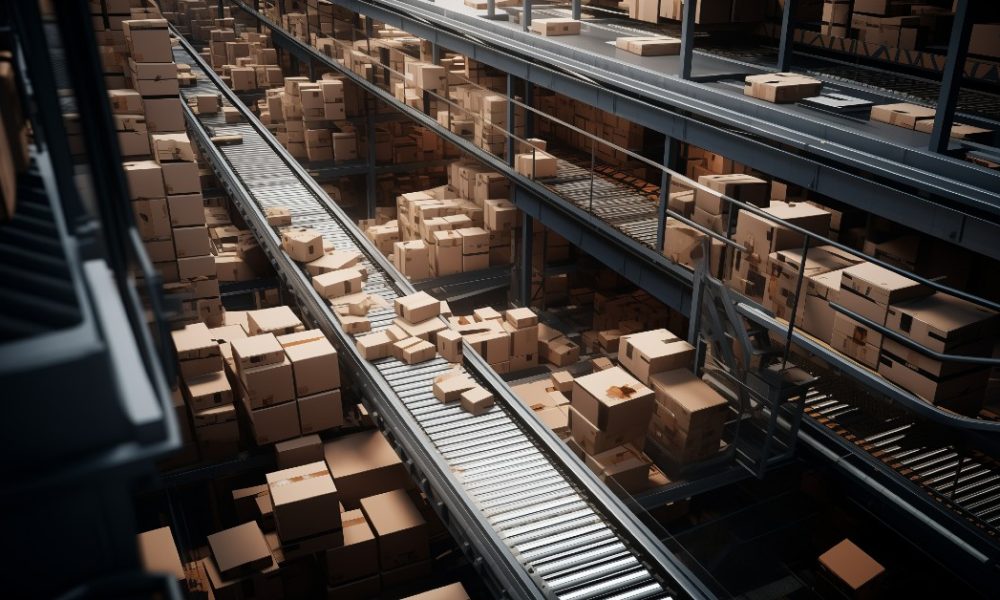
AI-powered surveillance systems and barcode scanners can prevent product defects and counterfeits from proceeding through logistics channels. Typically, they’re placed on or near conveyor belts to track inventory.
Logistics companies can integrate AI with other supply chain technologies. For example, they can use a machine learning model to power Internet of Things (IoT) packaging sensors. This way, they can analyze their product data to track shipments.
Administrative AI handles internal recordkeeping, management, document processing and information sharing tasks. For example, it can process invoices, order shipments, renew supplier contracts, send bid requests and schedule workers.
One emerging use for AI in the supply chain involves autonomous vehicles. Self-driving delivery trucks and drones can use machine learning to react to their environments in real time. While self-driving cars have a few years of development left, proofs of concept exist.
The Future of AI in Supply Chain Management
Since AI is still relatively new, its penetration rate will likely remain low for a few years. While 73% of logistics companies feel optimistic about emerging technologies, 50% plan to put off implementation until it becomes less risky. It seems many will wait until the ideal use cases, potential gaps and best practices become clearer.
While many in the sector are somewhat hesitant to adopt AI, indicators suggest they will quickly grow to accept it. Although only 11% of logistics executives felt AI was critical in 2022, an estimated 38% of them will believe it is essential by 2025. The industry may experience a substantial shift as more businesses utilize AI in supply chain management.
AI Might Permanently Eliminate Supply Chain Bottlenecks
As the penetration rate for AI in supply chain management increases, this technology’s transformative potential will become evident. If logistics companies utilize it strategically, they may be able to eliminate most — if not all — of their standard bottlenecks.

Credit: Source link