
Google announced general availability for Gemini 4 Neon on November 18, 2026, in its Gemini API release notes, introducing a paid model for software engineering, knowledge work and science at $3 per million input tokens and $15 per million output tokens.
The stable gemini-4-neon endpoint is available through generateContent and the Interactions API, and through Google AI Pro and Ultra plans in Google AI Studio.
Neon’s Role in the Gemini 4 Lineup
Google’s launch guide places Neon between Hydrogen and Carbon for high-frequency complex tasks. Carbon remains the recommendation for especially difficult architecture, debugging, scientific and security problems, while Hydrogen stays the default for everyday coding and agentic workflows.
Neon follows Argon’s October 13, 2026 release, Carbon’s November 10, 2026 release and Hydrogen’s November 12, 2026 release, making it the fourth Gemini 4 model in that sequence.
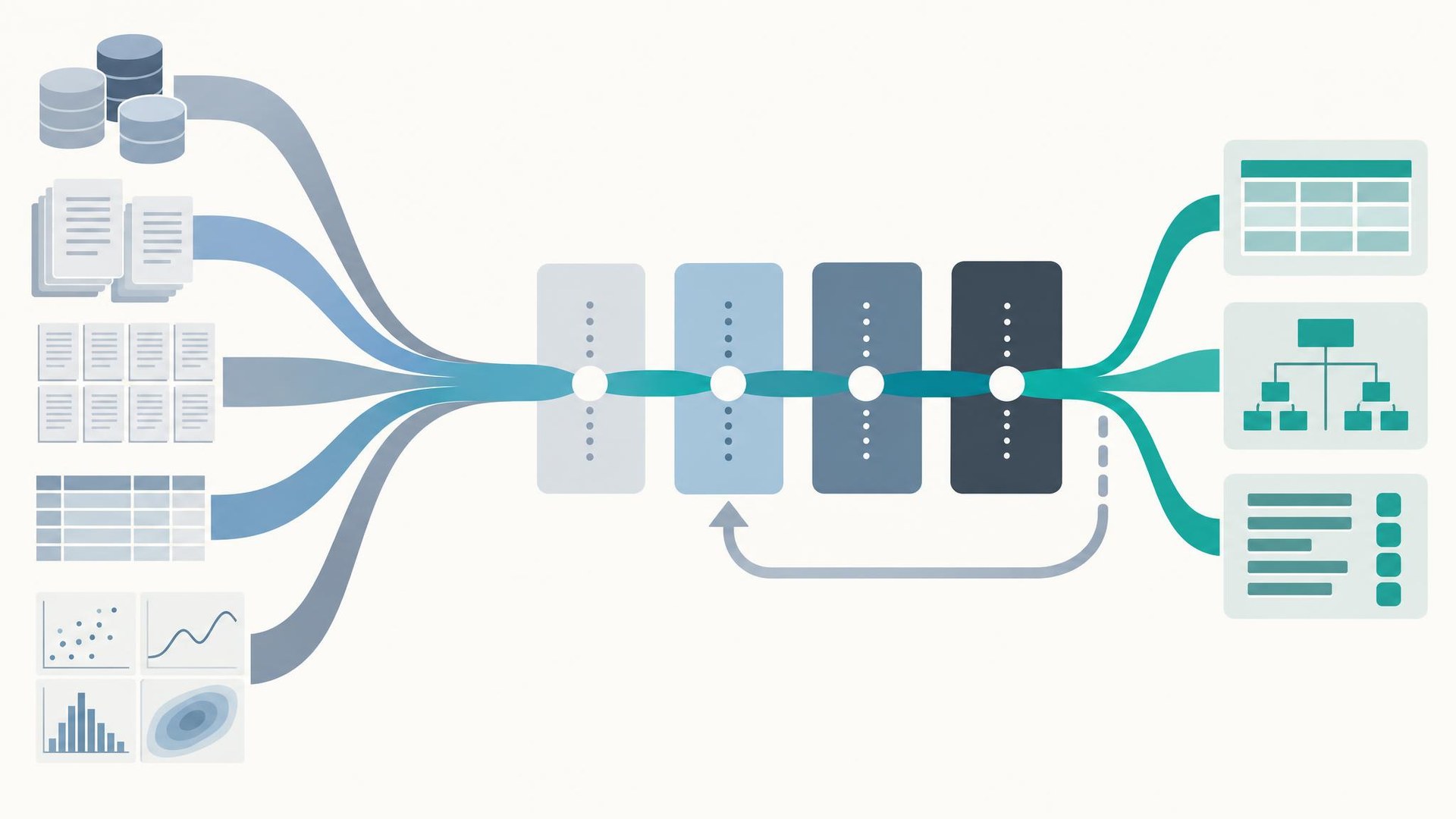
Google says Neon can debug across repositories and refactor multiple files with fewer steps, cut repeated file reads during extended tool-use sessions, and turn dense documents, spreadsheets, charts and tool results into structured work products.
Shared Context and Reasoning Controls
Input, thinking and output tokens share a single 1,048,576-token window, with synchronous responses capped at 65,536 tokens by default. Background execution or client-side continuation can extend generation within the shared budget. Developers using background mode for longer answers must raise max_output_tokens; without that setting, the server still stops at the synchronous ceiling. The field caps thinking and final-output tokens together, so a low limit can truncate an answer.
Neon provides low, medium, high and xhigh thinking levels, with high selected by default. The setting trades reasoning depth against latency and token consumption. Google recommends evaluating all four levels and choosing the lowest one that meets a workload’s quality requirement, reserving xhigh for difficult multi-step problems where high falls short.
The model accepts text, images, video, audio and PDFs but generates text only. It supports code execution, computer use, function calling, file search, structured outputs, URL context, and grounding through Google Search and Google Maps; image generation, audio generation and the Live API are unsupported. The Antigravity managed agent can run Neon alone or pair it with Hydrogen in multi-model workflows.
Pricing and Migration Requirements
The Gemini Developer API pricing page lists Carbon and Argon at introductory rates of $2 per million input tokens and $10 per million output tokens through November 30, 2026. Those rates rise to $4 per million input tokens and $20 per million output tokens on December 1, 2026. Hydrogen costs $1.50 per million input tokens and $7.50 per million output tokens and, unlike Neon, has free-tier API access.
Neon’s output charge includes thinking tokens. Google also bills internal tool instructions and function declarations used with grounding, while Google Search grounding carries a separate per-query charge after a shared allowance of 5,000 free requests per month. Implicit caching prices cached input at $0.15 per million tokens, a 95% discount, and runs by default on prompts of at least 4,096 tokens; explicit caching is unavailable.
Switching from Carbon, Argon or Hydrogen requires no request-schema change, although the reasoning defaults differ: Neon starts at high and supports xhigh, while Carbon and Argon default to medium and stop at high. Gemini 3 and earlier migrations require removing explicit-cache fields and sampling parameters and preserving earlier model turns and thought signatures in client-managed conversation histories. Google says difficult prompts can take several minutes and recommends background execution or HTTP client timeouts of at least 15 minutes.
The central trade-off is whether the fewer steps and lower token use Google describes can offset Neon’s higher per-token price while Argon and Carbon remain at introductory rates.
Credit: Source link