











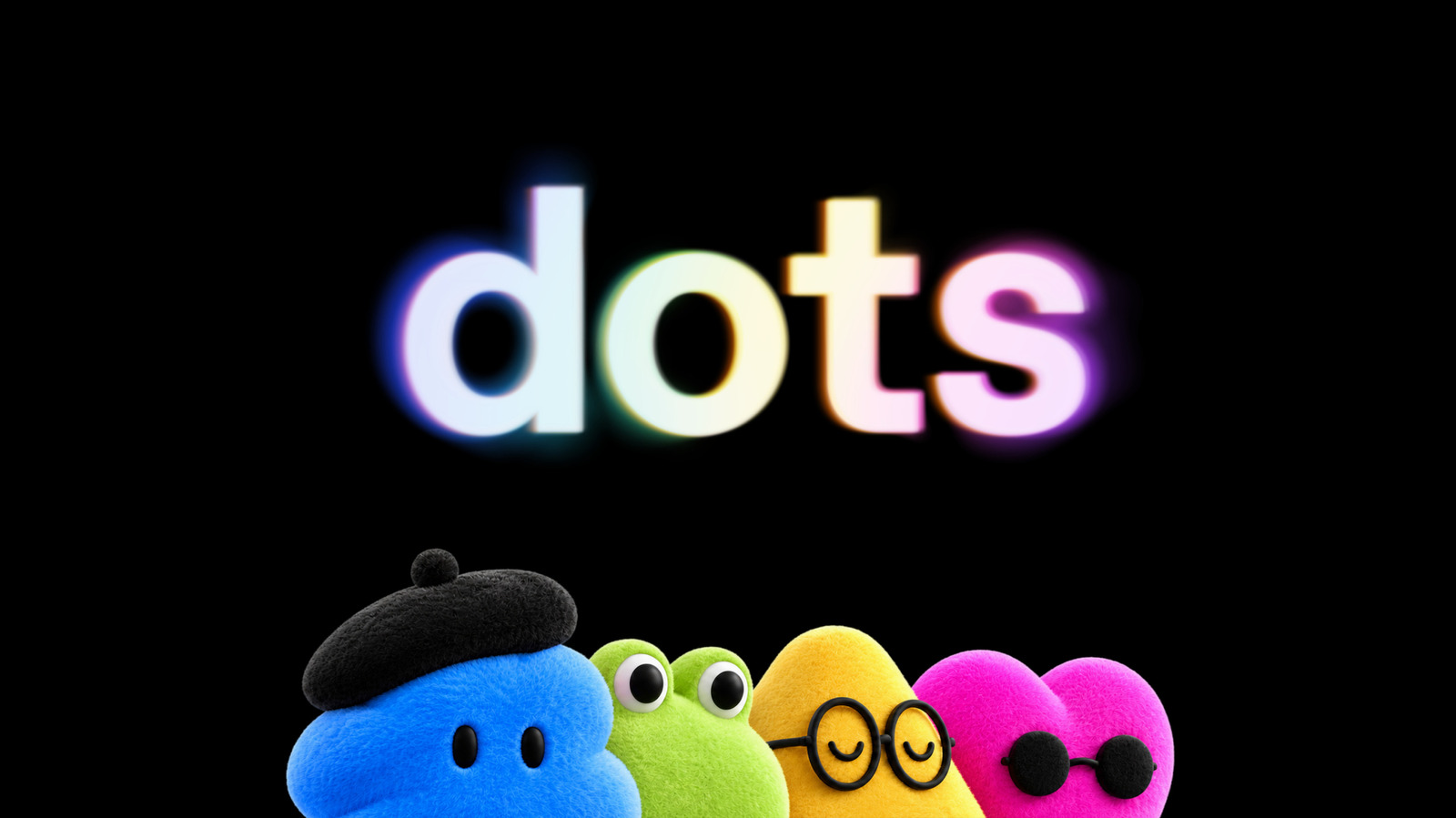

OpenAI’s AI agents have landed it in hot water in recent weeks, so naturally the company is releasing agents nearly anyone can use to carry out tasks with minimal supervision. At its DevDay event in San Francisco today, the company announced Dots. OpenAI is pitching Dots as proactive, always-on AI systems that can chip away at tasks for you every hour of the day.
“The magic of dots is when they bring you work done the way you would do it, sometimes before you even think to ask,” the company explains. It points to an example where a tester’s Dot noticed they had forgotten to bill a publication for an article. The Dot prepared an invoice and sent it on the person’s behalf after it obtained their approval.
With access to OpenAI’s ecosystem of plugins, Dots can interact with more than 4,000 apps. Additionally, new integrations with Slack and Microsoft Teams mean you can converse with your Dot outside of ChatGPT and the company’s Codex and Work apps. “Dots can do nearly anything using their own cloud computer, their own browser, and the apps you’ve connected,” says OpenAI, adding you can open your Dot’s “computer” at any time to check up on what it’s doing. It’s also possible to connect Dots to your own PC, allowing them to control it on your behalf and work alongside you.
At launch, Pro, Business, Premium and Enterprise users in select markets will get access to one primary Dot, which you can name and customize. In the future, OpenAI envisions giving users the ability to control teams of Dots. OpenAI gives a few different examples of how people might use its new agents. For instance, a scientist might task their dot with integrating new data into a paper as they collect it through lab tests. Likewise, a developer could use their Dot to collect feedback from the users of their app or service and then task the agent with writing bug fixes and new features in response to those requests.
“Working with your dot is as simple as having a conversation,” explains OpenAI. “You can message or call dots in ChatGPT on desktop, web, and mobile. They can also message you with progress, questions, or decisions that need you.” The company says. Dots can carry context across every surface you can interact with them on.
Given OpenAI’s recent security track record, the company is keen to highlight the safety features it has built into Dots. When signing into websites, the company says they can use your saved passwords without exposing them to the underlying model. OpenAI has also integrated safeguards into their proactive research feature, which is what allows Dots to complete tasks for you in the background. “It does this by using the apps you’ve already connected with tools that are restricted to be read-only, which means that they cant send messages, change app content, or control your browser or computer,” says OpenAI.
When it comes to using your apps and services, you can manage a Dot’s permissions through ChatGPT’s existing app controls. “Dots start with built-in rules for when to act independently and when to ask for approval,” says OpenAI. Users can write their own custom rules to set what specific actions require approval.
OpenAI is rolling out Dots in select markets to Pro and Business Premium subscribers starting today. As a Pro or Business Premium user, your first Dot is free. You can chat with it as much as you want inside of ChatGPT, though usage limits in Codex and Work apply as normal.
Credit: Source link