














Drivers and auto makers alike have enjoyed CarPlay since its inception, but many manufacturers are turning their backs now.
Apple CarPlay has given drivers a great alternative to clunky car infotainment systems for over a decade. It has a simple premise: connect your iPhone and use the apps you already know. Like Android Auto, CarPlay is a service that vehicle manufacturers have adopted in great numbers and with relative enthusiasm — at least, until lately.
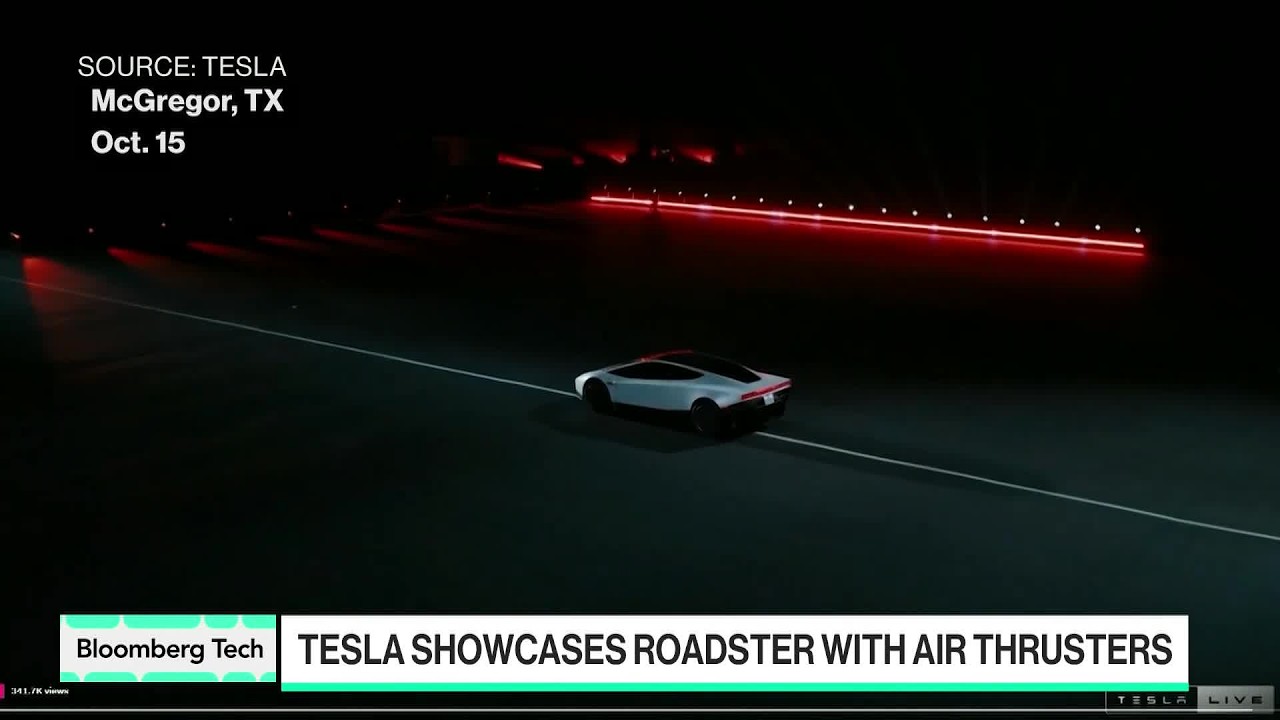
Some of those same manufacturers are starting to backtrack. General Motors, for instance, has been removing CarPlay from its EVs and plans to phase it out completely. Tesla and Rivian have never offered support for it, although Tesla has reportedly tested out CarPlay.
Removing CarPlay erases a layer of convenience for you as the driver. But for the manufacturer, it gives greater control over data and the services you use. Automakers might argue that removing it provides better integration with the car, but with CarPlay Ultra looking to close the gap, this disagreement is likely going to get bigger.
Apple CarPlay became the best way around bad car software
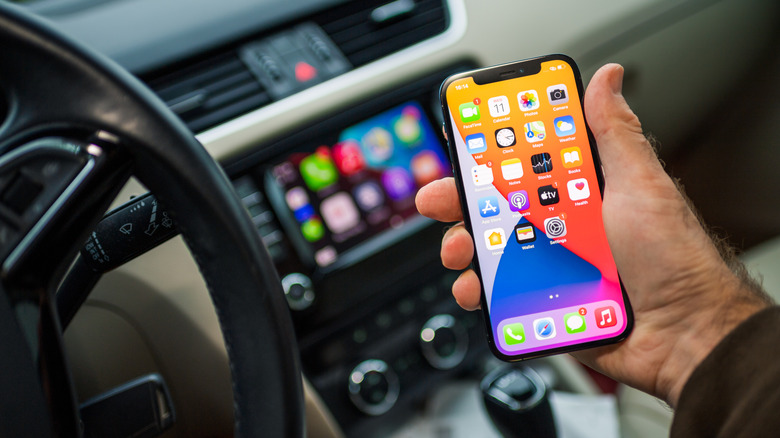
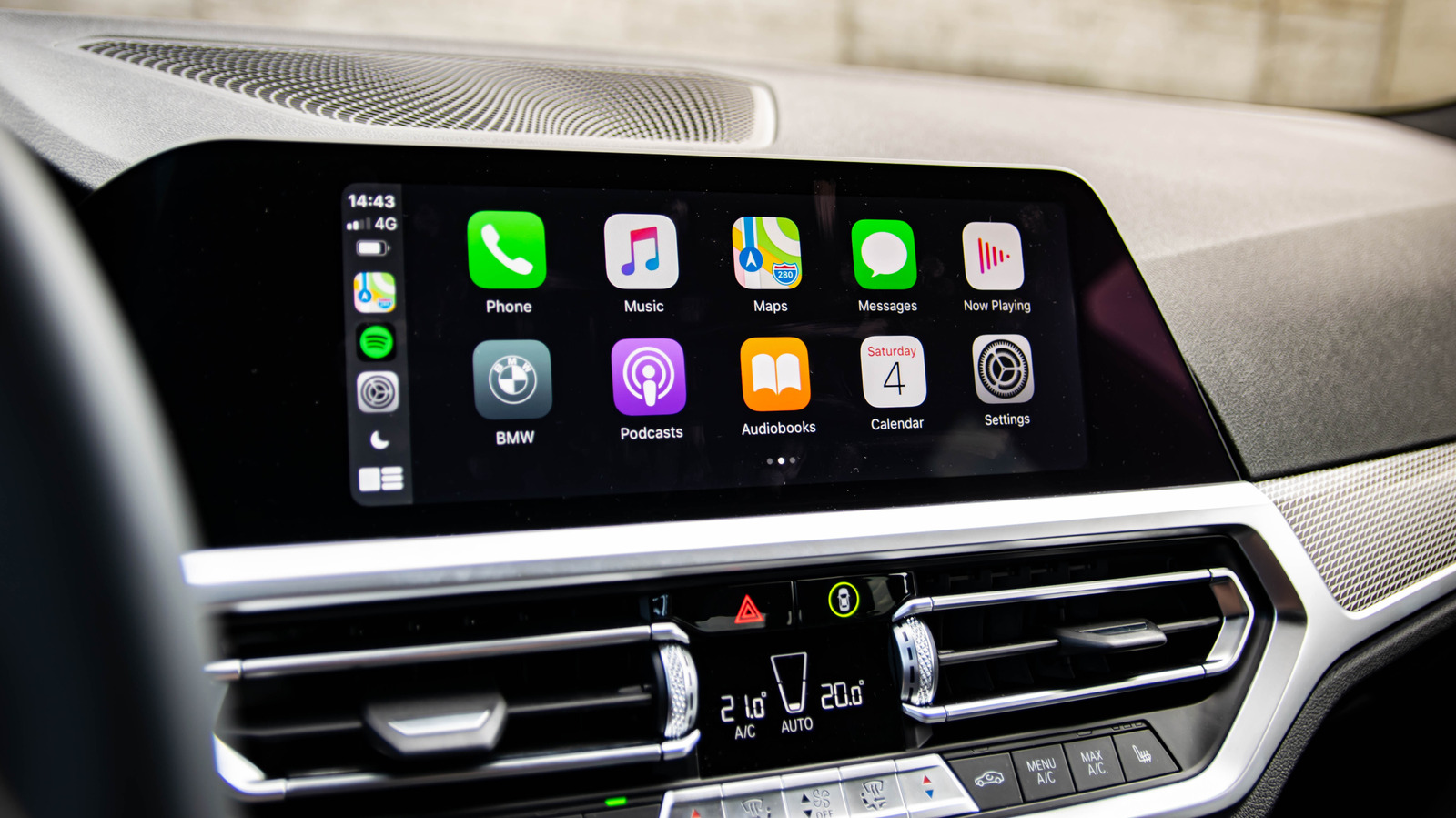
Apple CarPlay’s biggest strength is consistency. You can step into any compatible car and, no matter the type of display or its size, you’ll see the same interface. The apps you use on your phone, along with your contacts, are all accessible. You don’t need to port anything or create new accounts to get going.
Drivers don’t need to worry about whether built-in infotainment systems are any good, since you can ignore them with CarPlay. Before the the CarPlay and Android Auto era, drivers were stuck with whatever infotainment system the manufacturer had built. This wasn’t consistent, nor were many long-lasting: MyFord Touch on Ford and Lincoln cars lasted just five years. BMW, meanwhile, tried to charge $80 a year for access to CarPlay. Navigation was a common problem with older systems. Maps would quickly become out-of-date and sometimes required a costly fee to update.
It made sense for manufacturers to add CarPlay (and Android Auto) support to their vehicles: they could hand over the bulk of functionality to Apple’s (or Google’s) system while focusing on other areas. Apple CarPlay now supports over 800 different models, so the arrangement has certainly taken hold.
For manufacturers, though, handing over the dashboard to Apple has become a bit of a problem. Electric cars in particular require much more integration between the dashboard software and the vehicle itself. A whole host of features on EVs aren’t an ideal fit for Apple CarPlay, including battery preconditioning and manufacturer-specific charging controls. Standard CarPlay sits on top of the car’s own software to effectively act as a mirroring app for your phone, and you may need to leave it if you need a feature Apple’s solution doesn’t support.
CarPlay support matters to drivers. Apple claimed at WWDC 2022 that 79 percent of car buyers wouldn’t choose a model without CarPlay support, while a more recent survey suggested losing CarPlay was a “deal breaker” for 55 percent of its users. The consistency makes CarPlay familiar and easy to use. For those making the cars, though, Apple controlling the parts of the on-screen experience we see and use the most means manufacturers have less control and power. Some companies are deciding that this compromise no longer works for them.
GM wants complete control over the in-car experience
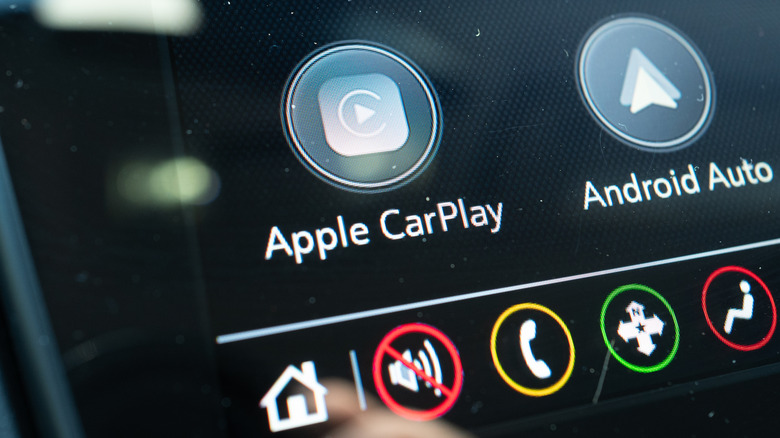
General Motors is the one making the biggest pivot with CarPlay so far. It’s already begun the process by removing CarPlay and rival Android Auto support from its newest electric models, including the Chevrolet Blazer EV. It’s also expected to begin removing support from gas-powered cars once its own centralized computing platform is released around 2028. You won’t see support suddenly dropped from existing cars, but newer models will only be left with GM’s alternative.
Ironically, that alternative is being built around Android Automotive (not Android Auto), Google’s standalone car operating system. Rather than simply mirroring your phone apps, Android Automotive runs apps directly on the car itself. You won’t need to connect a smartphone at all.
General Motors argues this gives its software a much deeper understanding of the vehicle underneath. Navigation is an obvious example. While running GM’s new Android Automotive-based system, Google Maps can factor in an EV’s remaining charge and estimated range into its route planning, giving you suitable charging stops along the way.
The thinking is that you won’t need your phone to act as a middleman, a fact GM executive Mike Hichme mentioned in a 2023 interview. He suggested that he didn’t want GM’s infotainment system to be “dependent on a person having a cellphone” like it is now.
Of course, keeping it all native means GM has more control over the data when you use those services. It can learn more about how drivers use the car, particularly when they plan routes or charge their EVs. If the built-in apps rely on the car’s own data connection (instead of your phone’s mobile plan, adding yet another expense), some could require a subscription once any free period expires. It also has more opportunities to sell connected services later.
Better integration is GM’s public argument, but keeping the dashboard to itself could pay off, too. That control comes with a trust problem, though. In January, the FTC banned General Motors from selling driver data for five years after it allegedly collected and sold behavior data without informed consent.
CarPlay Ultra could make the disagreement even bigger
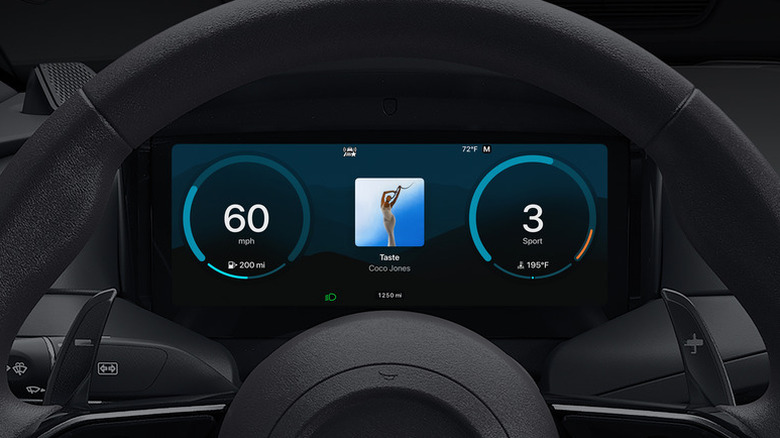
GM might suggest that standard CarPlay is too limiting, but Apple does have an answer to that criticism. CarPlay Ultra goes far beyond mirroring iPhone apps on your car’s display. It’s a solution for the entire car, including the instrument cluster, where it can show your car’s speed and tire pressure alongside Apple Maps directions.
CarPlay Ultra is Apple’s biggest attempt to close this gap. It manages the systems a driver interacts with, including radio and climate controls, so you won’t need to jump between interfaces. Manufacturers will be able to create their own themes to fit with the car’s aesthetics.
The downside is that you’ll still need your iPhone. GM’s complaint about the iPhone dependency issue isn’t solved by CarPlay Ultra, as it still relies (for now) on the processing power in your phone to work. It also doesn’t solve the Apple problem itself; manufacturers will have to share vehicle data and work closely with Apple to integrate the system. For companies like GM who want to own the entire software experience, CarPlay Ultra would arguably be a step in the wrong direction.
That might be why CarPlay Ultra adoption has been slow, at least for now. Aston Martin is the only manufacturer currently offering it, although brands like Hyundai and Kia have suggested they will at a later (unconfirmed) date. Thankfully, CarPlay remains available across hundreds of car models, allowing you to carry on with the iPhone experience as you drive for years to come.
Credit: Source link