






Alex Hawkinson is the Founder and CEO of BrightAI, where he leads the mission to awaken critical infrastructure, transitioning operations from reactive to proactive. With over 25 years of experience in IoT, AI, SaaS, and cloud-based technologies, Alex leverages his expertise to transform industries with intelligent, forward-thinking solutions that redefine resilience and efficiency.
Before BrightAI, Alex founded and led SmartThings, a revolutionary IoT platform that reshaped the connected home landscape, known in the tech industry as “father of IOT”. Under his guidance, SmartThings grew into a global standard, supporting over 1 billion connected devices and fostering an ecosystem of 250,000 developers before its acquisition by Samsung in 2014.
BrightAI enhances critical infrastructure management by shifting from traditional reactive approaches to proactive, AI-driven operations. Addressing the challenges of aging systems, the company collaborates with owners and operators to improve productivity, optimize capital efficiency, and support sustainability. Utilizing advanced AI and autonomous technology, BrightAI aims to mitigate risks, strengthen system resilience, and adapt infrastructure for the future.
Can you share the story behind founding BrightAI? What inspired you to focus on transforming critical industries with Physical AI?
My journey began in 2012 when I founded SmartThings, one of the first IoT platforms to make homes smarter, safer, and more connected. We aimed to simplify life with devices that worked together seamlessly. That experience opened my eyes to a larger opportunity: most of the essential services the world depends upon—water, energy, electricity, food, logistics, transportation, and more—originate outside our homes. The same principles of connectivity and intelligence could transform critical infrastructure in the physical world. With BrightAI, we’re scaling this vision across eight verticals—water, power, gas, transportation, renewable energy, waste management, pest control, HVAC, and critical home services. We’re bringing the connected home model to the systems that power our cities and industries, creating a smarter, more efficient way to maintain our critical systems.
What does the term “Physical AI” mean to you, and why do you think it is the trend to watch for 2025?
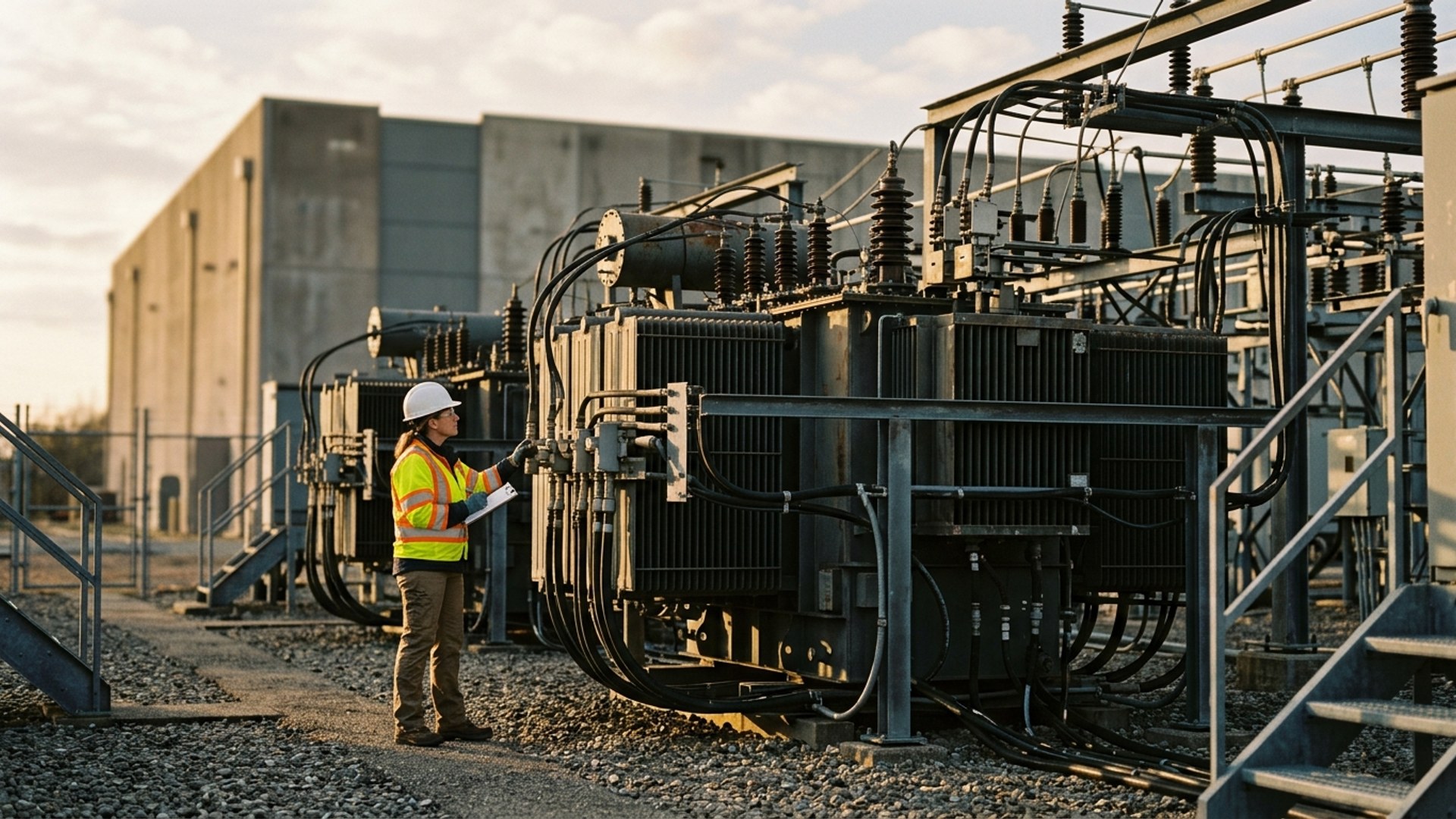
To me, “Physical AI” merges intelligence with the physical world—bringing AI’s predictive power to industries facing tangible challenges like aging infrastructure, resource inefficiencies, and labor shortages. It creates a digital layer where things like pipes, poles, and machinery become “smart” through sensors and AI-driven insights.
Traditional infrastructure management relies on routine visits and manual checks, with 50-80% of costs tied to labor and truck rolls. This inefficient and unsustainable approach contributes to the $4.5 trillion spent annually on infrastructure management. Physical AI replaces this with real-time monitoring, proactive maintenance, and significant cost savings.
How has your experience at SmartThings influenced your approach to building BrightAI and tackling challenges in infrastructure?
SmartThings showed me the power of using data and devices to solve real-world problems at scale, but it also taught me that the key to success is simplicity and accessibility. Technology should empower, not intimidate. At BrightAI, we apply this by creating solutions that seamlessly integrate into industries, helping teams prevent problems rather than react to them.
SmartThings also taught me the value of long-term thinking. Seeing the company scale to over a billion connected devices after its acquisition by Samsung reinforced the importance of a solid foundation, both in tech and user trust.
BrightAI has achieved impressive revenue growth while in stealth mode. What strategies or factors do you believe contributed to this success?
Our revenue is the result of a focused strategy. We prioritized building strong customer relationships and truly understanding the problems they faced so that we could create the right solution. That enabled our customers to trust and believe in our technology before we even delivered a product. I believe in achieving this product-market fit before seeking external funding.
Additionally, it’s all about having the right team, and our collective expertise has been instrumental. I brought the lessons I learned from building SmartThings, and our leadership team also brings experience from building autonomous systems at Rivian, enterprise scalability at Microsoft, and AI advancements at Meta. We’ve assembled a group uniquely positioned to tackle the challenges of applying AI to the physical world at scale, and we owe our success to the team effort.
With over 250,000 sensors deployed, how does BrightAI collect and leverage data to make real-time decisions and prevent failures in critical industries?
We have sensors deployed in more than 50,000 locations—more than the total number of Starbucks or McDonald’s stores worldwide–that act as the eyes and ears of critical infrastructure, gathering data from hard-to-reach and high-risk environments. This data flows into our AI-powered platform, Stateful OS, which uses multimodal models to analyze and predict potential issues before they escalate.
Can you provide examples of how your platform has enabled industries like water and energy to transition from reactive to proactive management?
A key example is our partnership with Azuria Water Solutions, a leader in pipeline rehabilitation. Azuria faced hurdles like workforce shortages and the limitations of manual inspections, which often led to inaccurate pipe condition measurements. We retrofitted Azuria’s systems with advanced BrightAI sensors, which enable autonomous robots to navigate pipelines, assess their condition, and identify issues with minimal human input. The goal is to improve proactive planning by leveraging a digital twin of the water pipelines and increase productivity and quality of rehabilitation and management services while also improving staff retention as the integration of edge AI and robotics makes these jobs more exciting and less stressful.
What role does the Stateful OS platform play in making previously inaccessible infrastructure data actionable for blue-collar workforces?
We like to call it making the invisible visible. Stateful OS compiles real-time data, which is processed through multimodal AI models to identify patterns, detect anomalies, and predict potential failures. These insights are delivered directly to field teams via intuitive dashboards and alerts, enabling them to act quickly and confidently. Instead of wasting time and energy on truck rolls, these teams can start their day by reviewing the data and will then know exactly which issues need addressing.
How do BrightAI’s autonomous drones and wearables improve inspection processes and worker safety?
Our drones, equipped with sensors and powered by the Stateful OS platform, can safely and reliably monitor assets like power poles, pipelines, and water systems, even in the most remote and hard-to-access sites. For example, a single drone flight can inspect 50+ poles compared to the handful typically covered in a manual flight. This level of automation reduces inspection costs by up to 30x while increasing productivity and coverage. Our wearables enable hands-free operations and improved decision-making in the field, allowing workers to act at the speed of machines. Both technologies significantly enhance worker safety by minimizing the need for high-risk activities such as climbing poles, entering confined spaces, or operating in hazardous environments.
Your platform bridges the “EBITDA chasm” for traditional businesses. Can you explain this concept and how BrightAI achieves it?
The “EBITDA chasm” refers to the challenge of modernizing operations without sacrificing profitability. BrightAI bridges this gap by driving hyper-efficient operations that reduce both CapEx and OpEx while boosting customer retention and growth. Our platform enables innovation that delivers immediate value, lowers costs, and strengthens market share. With BrightAI, businesses can revolutionize their industries while steadily increasing profitability.
How do you see Physical AI evolving in the next five years, and what role do you envision BrightAI playing in that transformation?
In the next five years, Physical AI will transform industries by bridging the gap between the physical and digital worlds. As it evolves, this technology will become more integrated, intuitive, and widespread, turning static infrastructure into dynamic, self-monitoring systems that solve problems immediately. Our vision is to drive productivity, capital efficiency, and sustainability across all of our essential services and infrastructure, enabling industries of all sizes to leverage the power of Physical AI. This technology will democratize advanced capabilities, making what was once exclusive to billion-dollar enterprises accessible to industries of all sizes.
Thank you for the great interview, readers who wish to learn more should visit BrightAI.
Credit: Source link