




Sabre Corporation announced on November 16, 2026, that it will preview a Grok Bot travel plug-in at its Investor Day in New York on November 17, 2026, pairing conversational booking and servicing with new APIs that monitor disruptions and prices without waiting for a user prompt.
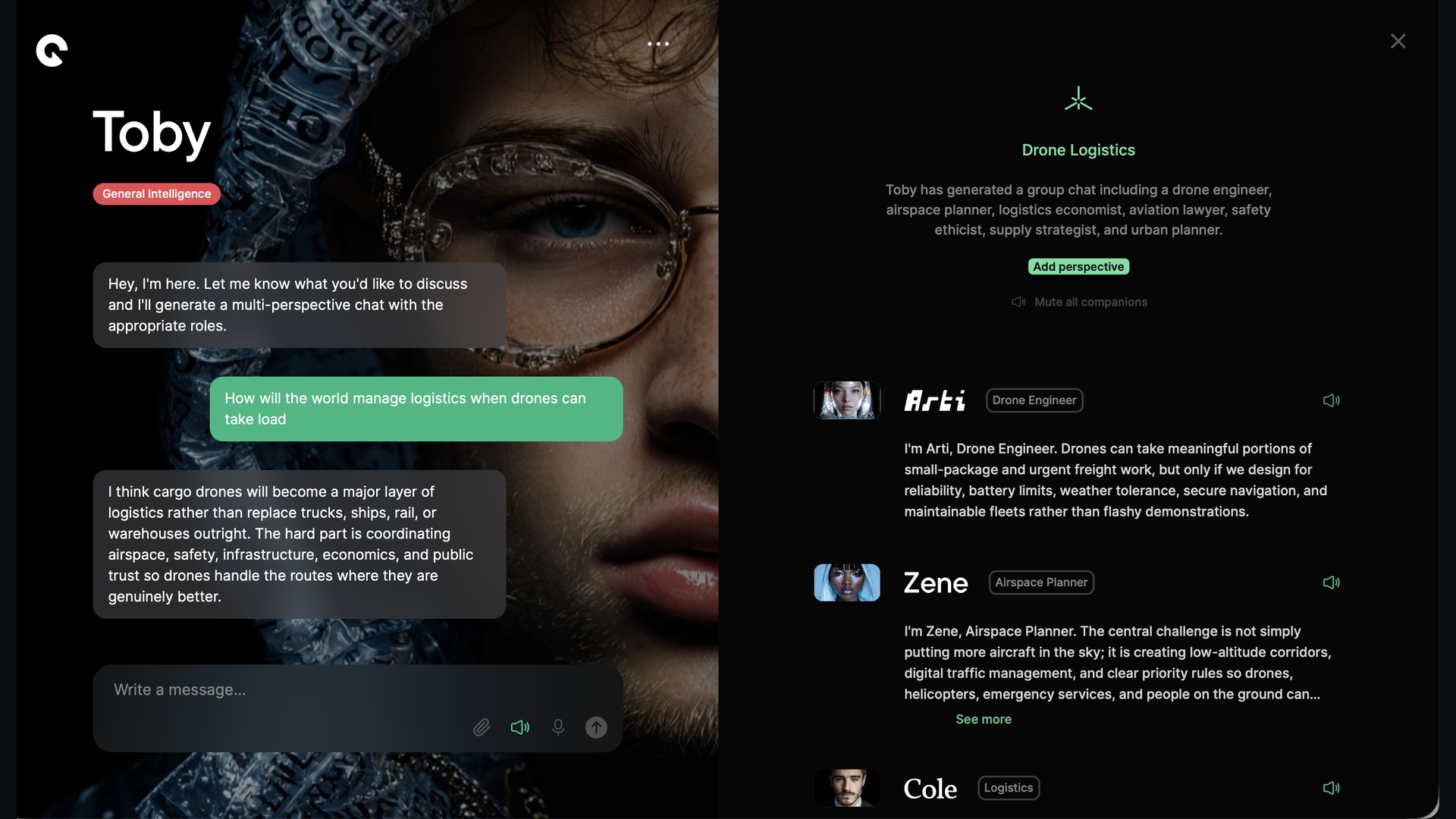
Sabre describes the plug-in, powered by Sabre Mosaic Travel Connector, as the first global travel experience in the Grok Bot ecosystem to support end-to-end booking and servicing. The connector’s beta rollout is imminent, so the Investor Day preview concerns a forthcoming integration rather than an already-live launch.
Booking and Servicing in One Conversation
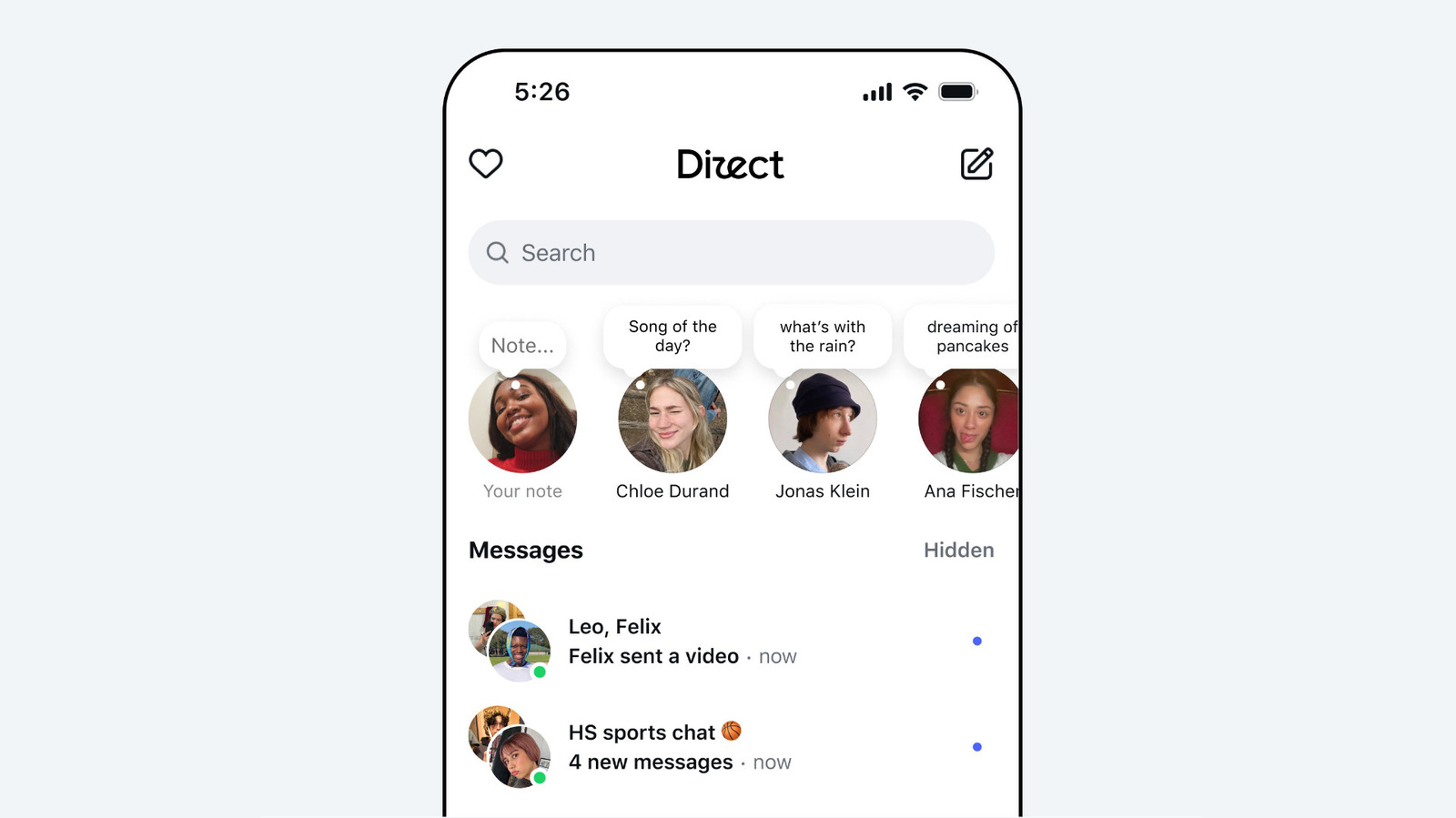
The connector is intended for individual travelers and travel managers, who would use natural dialogue to search, book and service complete itineraries. It is designed to display flights and hotels side by side, show what is included and restricted, and let users book and manage the full trip in one place. That extends the AI interaction from discovery into transactions and post-booking service.
Garry Wiseman, Sabre’s president of product and engineering, said the collaboration with SpaceXSI expands distribution channels for Sabre and its customers by helping them reach travelers wherever they shop. He connected that channel strategy to event-driven systems that identify problems and opportunities early so an advisor, bot or automated workflow can respond quickly.
Proactive APIs for Disruption Response
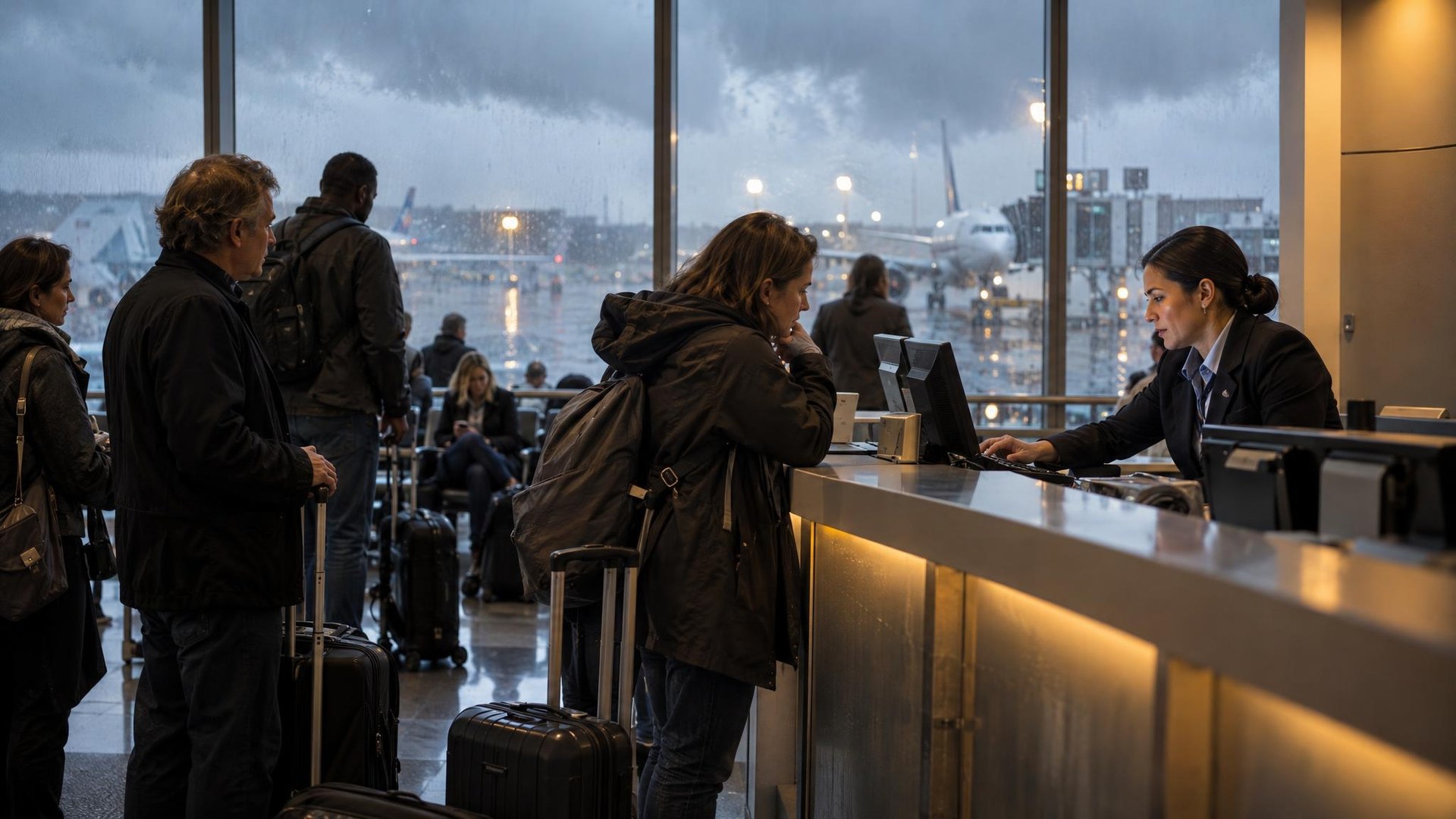
Sabre describes the new proactive APIs as a travel-industry first. They continuously monitor disruption signals, identify travelers affected by delayed or canceled flights, and send real-time alerts to agency systems and connected AI tools without waiting for a prompt.
Responses can remain with a human advisor, who can intervene without manual searches, or move through a conversational interface that presents policy-compliant alternatives for one-tap traveler approval. An autonomous agent can also execute the fix directly. Those options give travel sellers a choice between human handling, traveler-approved automation and autonomous servicing, with direct booking integration supporting the response.
Other Sabre Mosaic functions cover purchase timing and price changes. Live booking-window insights identify when to buy by days in advance, day of the week and time of day. Beta air and hotel price monitoring tracks fare and rate thresholds and pushes alerts when prices fall, helping suppliers and agencies present timely offers or capture savings automatically.
Channel-Agnostic Expansion
The Grok Bot plug-in is the debut environment for a broader channel-agnostic architecture. Conversational interfaces connect directly to Sabre’s Model Context Protocol (MCP) server, which links AI interfaces to Sabre’s travel services, and to the new event-driven APIs. The modular foundation is designed to extend across major large-language-model ecosystems so travel sellers can reach travelers wherever discovery occurs.
Sabre reports more than 80 partners in pilot or production with its MCP services. Sabre launched its initial agentic APIs and MCP server in 2025, ahead of the connector’s beta rollout.
The company also reports that more than 99% of its compute is in the cloud and that it processes over one billion travel-shopping requests daily across roughly 50 petabytes of travel data.
Sabre plans to extend the connector and its channel-agnostic infrastructure across major conversational models and agency workflows throughout 2027, with agentic infrastructure supporting its multi-year growth plan.
For Sabre, the commercial question is whether its data, booking and servicing infrastructure can become a transaction layer across multiple AI channels. The beta rollout and planned 2027 expansion are the next checkpoints for that strategy.
Credit: Source link