

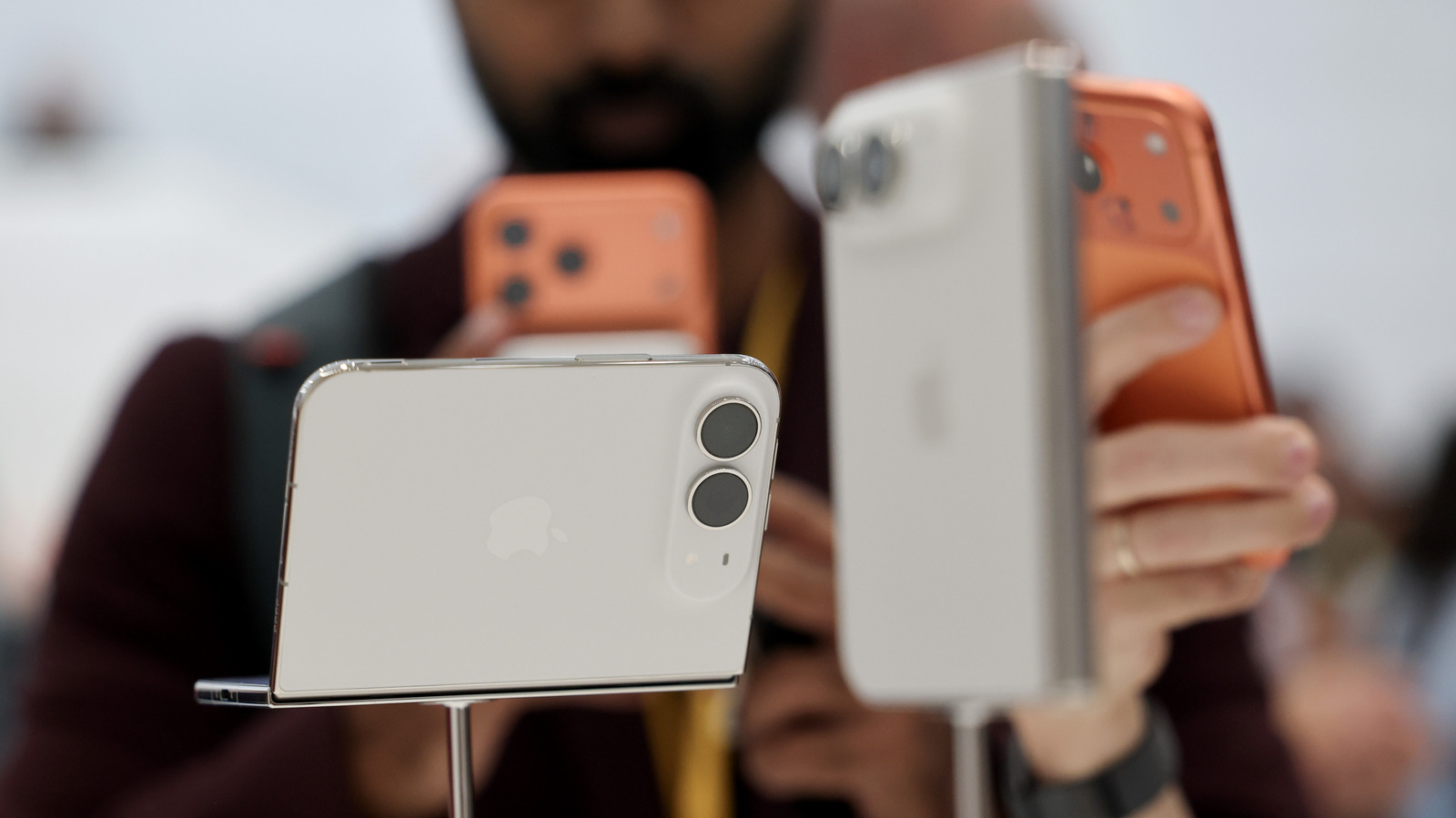

From software limitations to the pre-sale deals, here’s what you need to know ahead of the iPhone Duo launch.
Pre-orders for the iPhone Duo begin this Friday, and the first units will be shipped to buyers on October 23. And there’s a lot of hype around the Duo, since it’s the first foldable iPhone ever — and represents the most radical change to the iPhone in a while. It’s also the most expensive iPhone yet, starting at $1,999. Despite the price, the device comes with some trade-offs that we’ve already covered in detail. It lacks some popular features and the cameras aren’t the best on an iPhone. Even so, many people are eager to buy one.
But before you go ahead with your pre-order on Friday, it’s worth going over all these limitations and deciding whether the iPhone Duo is really for you. Plus, there are some deals worth checking out, a few accessories to consider and reviews of competing products that you should definitely read before buying an iPhone Duo.
What you give up compared to a regular iPhone
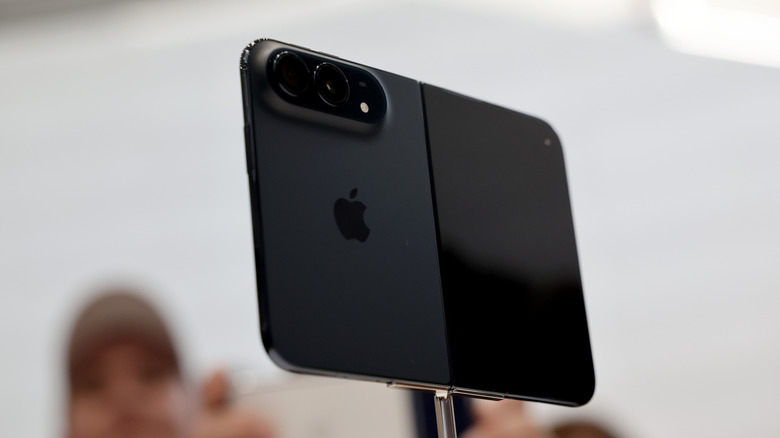
Yes, the iPhone Duo is the most expensive iPhone in the lineup today — but that doesn’t mean it has the best hardware in every respect. As we’ve previously covered, one of its biggest drawbacks is its cameras. Like midrange iPhones, the Duo has two rear cameras and no dedicated telephoto lens. You can still get a 2x “optical-quality” zoom thanks to a digital crop of the main 48-megapixel sensor, but it’s nowhere near the quality of the zoom lens found on the iPhone 18 Pro. The front-facing camera also has a lower resolution compared to the latest iPhones, with only 12 megapixels instead of 18 megapixels. There’s no variable aperture on the main lens either — that feature remains exclusive to the iPhone 18 Pro models.
Unlocking the iPhone Duo is also different, because it relies on Touch ID on the side button instead of Face ID. It’s not exactly a problem, but it might take some time to get used to. The Action Button is gone, too, so you’ll be limited to silencing your phone or accessing quick controls through the Control Center. Camera Control is still there, though, so you can still quickly open your favorite camera app with just a click.
Then there’s the issue of apps. Apple has optimized iOS 27 to take advantage of the new foldable form factor, and apps can do the same. This means that menus and apps can automatically snap to fit two halves of the screen when you bend the hinge, for instance. However, when it comes to third-party apps, developers will have to update them so they, too, fill the entire screen of the iPhone Duo. Some popular apps, such as Netflix, Zoom and Slack, will already have updates available for the iPhone Duo on launch day, but most developers still have work to do. Expect some of your apps to look a little odd on the iPhone Duo for a while — some may appear stretched, while others may have black bars.
How the iPhone Duo compares to other foldables
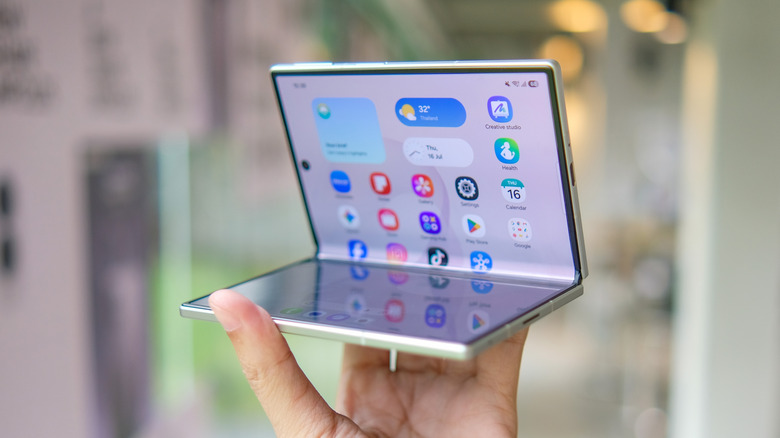
It’s hard not to compare the iPhone Duo to other foldable phones on the market, especially since there are so many of them out there. The Galaxy Z Fold 8 is likely one of the main competitors, since they’re both quite similar in terms of design. However, the Z Fold 8 starts at $1,899 — $100 less than the Duo — and is notably lighter and thinner. It weighs 201 grams (7.09 ounces) and measures 9.7mm (0.38 inches) when closed, compared to the iPhone Duo’s 254 grams (8.9 ounces) and 11.3mm (0.44 inches).
Google’s Pixel 11 Pro Fold also starts at $1,899 and includes a telephoto lens with 5x optical zoom, which, according to our review, makes it one of the best camera systems on a foldable phone.
These comparisons are academic, of course. When it comes to getting one for yourself, you should think about the ecosystem. If you’re already locked into the Apple ecosystem, the iPhone Duo is a strong choice. But if you’re open to trying something different, it’s definitely worth checking out the competition, too. Our comparisons of the Duo versus the Galaxy Z Fold 8 and the Duo versus the Pixel 11 Pro Fold go further into the details.
The deals available
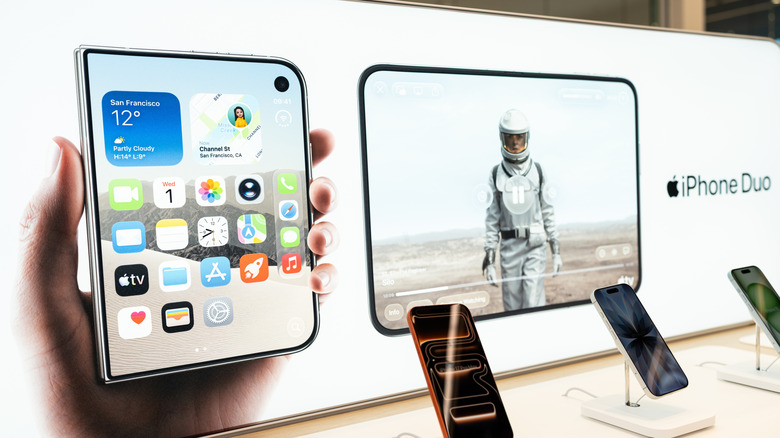
Carriers and Apple itself are already offering some deals for those who want to pre-order the iPhone Duo this Friday. Apple’s trade-in program alone offers up to $885 off, depending on the phone you trade in, which helps offset the full price. Or you can pay in installments with your Apple Card, interest-free, with prices starting at $83.29 per month for 24 months on the base model. There’s also Apple Upgrade, a financing program in partnership with Klarna, with prices starting at $57.99 per month for 24 months. At the end of the contract, you can either return the device, pay off the remaining balance or upgrade to a new iPhone.
Carriers are also going big on deals for the iPhone Duo, with AT&T offering up to $1,200 in trade-in credit for eligible devices. T-Mobile, on the other hand, offers up to $1,000 in trade-in credit for Xfinity Mobile Plus customers. Even if you don’t trade in your old phone, Mobile Plus customers can get a $400 discount when pre-ordering an iPhone Duo. With prices exceeding $2,000, any discount is more than welcome.
Accessories worth considering
People love buying accessories for their new phones, and it won’t be any different with the iPhone Duo. Apple has introduced its own range of new accessories designed specifically for its first foldable phone, and you prefer a first-party option. The company’s iPhone Duo Case costs $79 and covers all sides of the phone. The case is made of plastic and is ideal for those looking for better protection against accidental drops. It’s only available in two colors, though: Navy Blue and Sand, to match the blue and silver iPhones.
Also from Apple is the Duo Folio case, which features a built-in kickstand on the back. This cover is much more elegant and attaches magnetically to the iPhone, making it much thinner and easier to put on and take off. It costs $129 and helps protect the iPhone Duo’s front and back screens from scratches. This one also comes in just two colors: Navy Blue and Taupe.
The Duo is also the first iPhone compatible with the Apple Pencil for drawing and note-taking. However, support for it won’t arrive until later this year via a software update, so there’s no rush to buy one. It’s worth noting that it only works with the USB-C Apple Pencil designed for the iPad — so if you already have an Apple Pencil 2 or Apple Pencil Pro, you’ll need to buy a new one to use with your iPhone Duo. And of course, the iPhone Duo doesn’t come with a power adapter in the box, so you might want to buy Apple’s new 40W Dynamic Power Adapter with 60W Max, too. It enables fast charging on the Duo, reaching a 50 percent charge in 20 minutes.
iPhone Duo reviews aren’t up yet
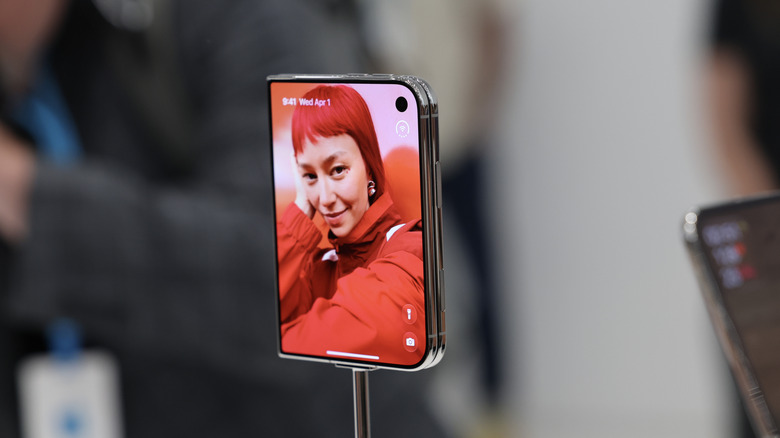
Some people like to wait for the first reviews before buying a new phone. However, the iPhone Duo reviews aren’t up yet, and probably won’t be until next week. That means eager buyers will have to place their orders without first checking out the results of independent testing. For now, you can only find some hands-on impressions like the one we have here. The thing is, a quick hands-on isn’t enough to test things like performance and battery life in real-world scenarios.
Many of these questions can only be answered after using the phone in the real world for a while, and there’s a lot we still don’t know. Apple hasn’t disclosed the resolution of the iPhone Duo’s front-facing camera, for instance, and we also don’t know if the hinge and the crease will hold up over time. Luckily, Apple has a 14-day return policy, so there’s a bit of leeway if you end up not liking the iPhone Duo.
Credit: Source link