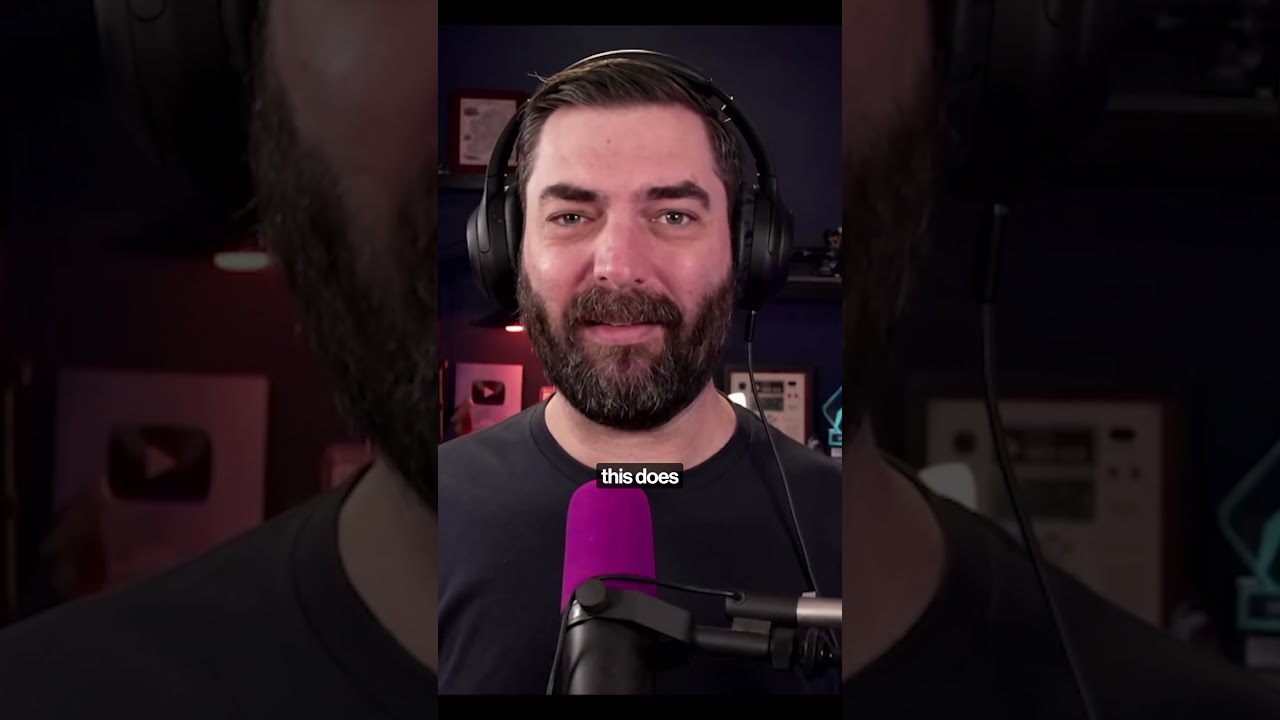





















In the latest episode of ETF spotlight, Aram Babikian, Head of Xtrackers Wealth, US Onshore at DWS, explains how investors can tap into global growth while protecting their portfolios from geopolitical risks.
Transcript:
CAROLINE WOODS: Joining me now, Aaron Babikian, head of xtrackers Wealth US onshore at DWS. Aaron, Thanks so much for joining us.
ARAM BABIKIAN: Thank you for having me.
CAROLINE WOODS: So Aram the market’s at all time highs. But there still is quite a bit of uncertainty out there. Whether it be economic whether it be from tariffs there’s heightened geopolitical risk. And then there’s also a whole bunch of tech disruptions still. So how should investors be thinking about balancing risk and opportunity right now?
ARAM BABIKIAN: I believe to a certain degree, we have to go back to the fundamentals. And one of the fundamentals of portfolio construction is diversification. And right now, more than I would say at least the past 10 years, there really is a lot of opportunities throughout different sectors, but also different geographics, and you’re seeing a lot of that happening because of the current environment, whether it’s geopolitics, whether it’s tariffs or the current governments regime that are creating a lot of these changes through the policies that they’re implementing. And when, especially in the international landscape, you’re forcing some of these countries to be less dependent on the United States and to be a bit more self-reliant. It actually creates quite a lot of opportunities, especially on the up side, for example, Germany being one of the areas of interest right now, especially in Europe, when they announced the dollar trillion stimulus package that they’re putting forth, where it’s going to be a beneficiary for European equities, as well as reverberating throughout the international landscape. As a result, NATO expenses are being increased as well. So European defense looks pretty interesting. And these are all things that most likely investors weren’t considering beforehand, given how exceptional the US was.
CAROLINE WOODS: OK, so when it comes to diversification, you’re obviously talking about investing internationally, seeing money go outside of the US. I’m curious if you expect the strength that we’ve been seeing in international markets to continue, and where specifically you expect to see some of that strength or where you’re seeing some of the flows go. It sounds like maybe Germany would be one place, but where else?
ARAM BABIKIAN: Oh, I mean, it’s very difficult to pinpoint certain countries. You really have to do a lot of deep dive. And what we’re seeing a lot of advisors do is actually allocate to a much wider breadth of international investing. For example, MSCI, EFA, where you’re investing into developed markets, for example, and Europe being a primary holding and geographic location for the MSCI, EFA. And with that being said, as you mentioned, I believe we’re in the beginning stages right now of international investing. For a very long time, it was out of favor. You’re still seeing in Europe, specifically, a discount of forward looking PE ratios of roughly anywhere from 30% to 40% So the value component is still there. But the investment by a lot of these governments hasn’t even started yet. They’re still working its way through the system. So when you combine value along with the investment that’s occurring from a lot of these governments within their own countries and companies, it really becomes attractive. But I do believe right now a lot of the movement that you’ve actually seen in Europe and international right now has actually been currency movement, where you’ve seen the currency strengthen versus the US dollar more than the actual impact of the underlying equities. And within that realm, we kind have both a hedged and unhedged version of MSCI EFA. So you can see the disparity between the two. And within the hedge you’ll see almost a pure play of what the equities just did. And then you’ll see in the unhedged where there’s almost a differential there’s a large differential. And most of that is attributed to the strength of the euro this year. And could that continue very well possible, especially given that there’s indications of the Fed lowering interest rates, possibly with the new appointments and so forth, and what the government is looking to do.
CAROLINE WOODS: So if I’m an investor and I’m thinking I want to diversify US markets at all time highs, I’m looking for value, and I want to manage risk by putting money elsewhere. Walk me through the steps of how do I even begin to think about where to invest?
ARAM BABIKIAN: You know, I’m not going to sit here and say I’m an expert at all in when it comes to a specific country and a specific company.
Subscribe |
Earn. Live. Invest. |
TheStreet Pro |
#Investing #Stocks #WallStreet
source