
With a little help from my rivals
What would you think if one of your main competitors gave you a helping hand in getting ahead in the space race? That’s precisely what just happened in the old rivalry between Elon Musk and Jeff Bezos as the billionaires take their investments to the final frontier.
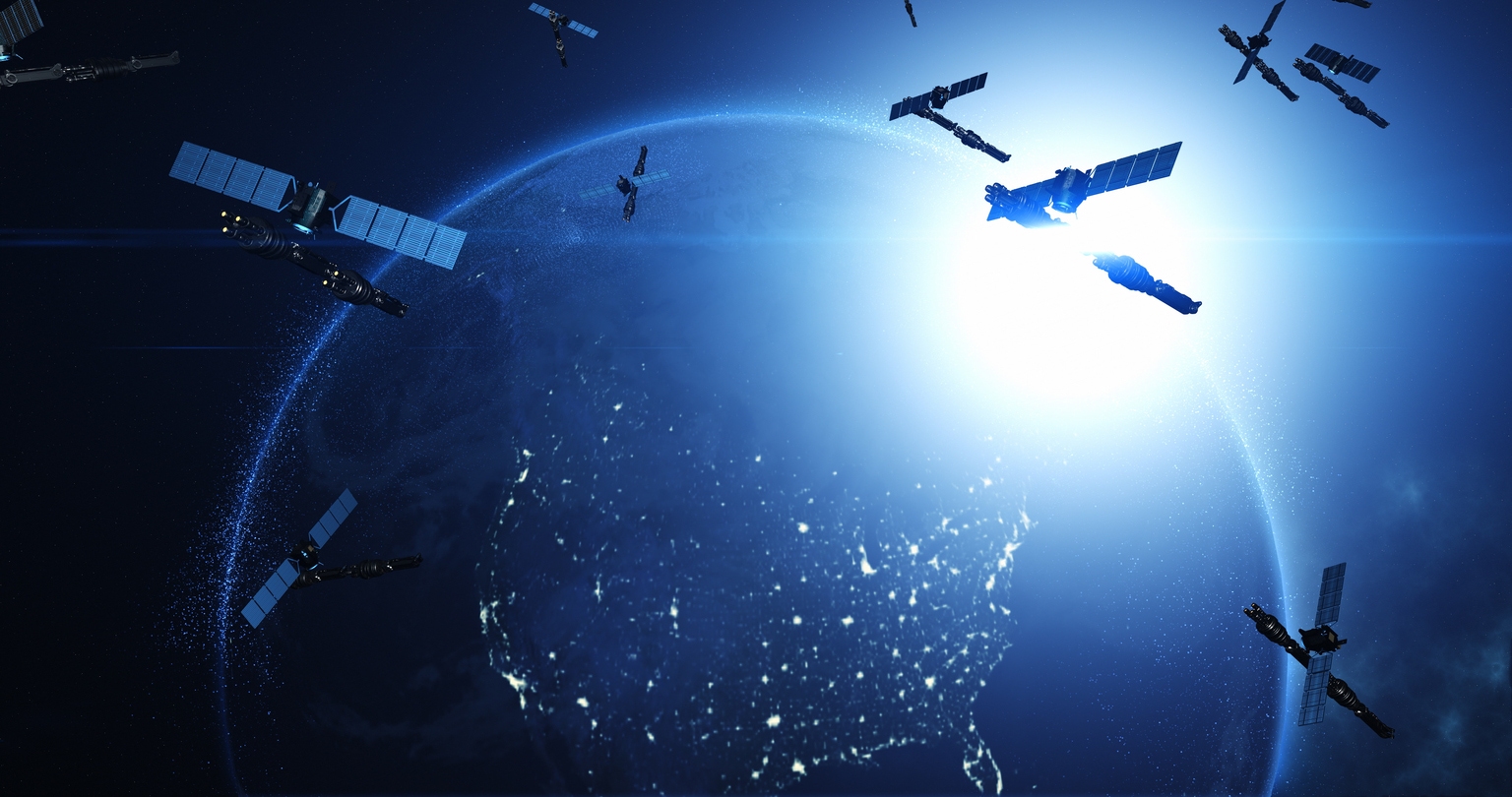
Out of tune? At 2:30 AM ET, a SpaceX (SPACE) Falcon 9 rocket carrying 24 of Amazon’s (AMZN) Project Kuiper internet satellites launched to orbit, bringing its total constellation to 78. Its first two batches of satellites were launched by provider United Launch Alliance (LMT) (BA), though it has been under increasing pressure to get its network up and running. Project Kuiper hopes to eventually position more than 3,200 satellites in low Earth orbit, but its license with the FCC mandates that at least half of those must be deployed before August 2026.
Amazon had hoped to rely on Jeff Bezos’ other space venture, Blue Origin (BORGN), to secure its launch capacity, but its New Glenn rocket has flown only once so far (the next launch is scheduled for Aug. 15). In comparison, SpaceX’s reliable Falcon 9 rockets have already helped establish a Starlink (STRLK) constellation of nearly 8,000 satellites, with around 5M customers across the globe. It’ll be tough for Kuiper to gain an edge over its top rival, but the company is hoping to obtain market share in an industry that it can use for its other businesses, like Amazon Web Services.
By the numbers: Bank of America estimates that Project Kuiper could deliver $7.1B in revenue for Amazon by 2032, assuming the firm gains a 30% consumer share. That would translate into a key revenue driver for Amazon with “potentially strong long-term margins,” but it will also be massively expensive to build out the entire constellation, ground terminals and related infrastructure. Boston Consulting Group data mentioned by Bank of America outlined that the global satellite communications service market could approach $40B in revenue by 2030.
Credit: Source link