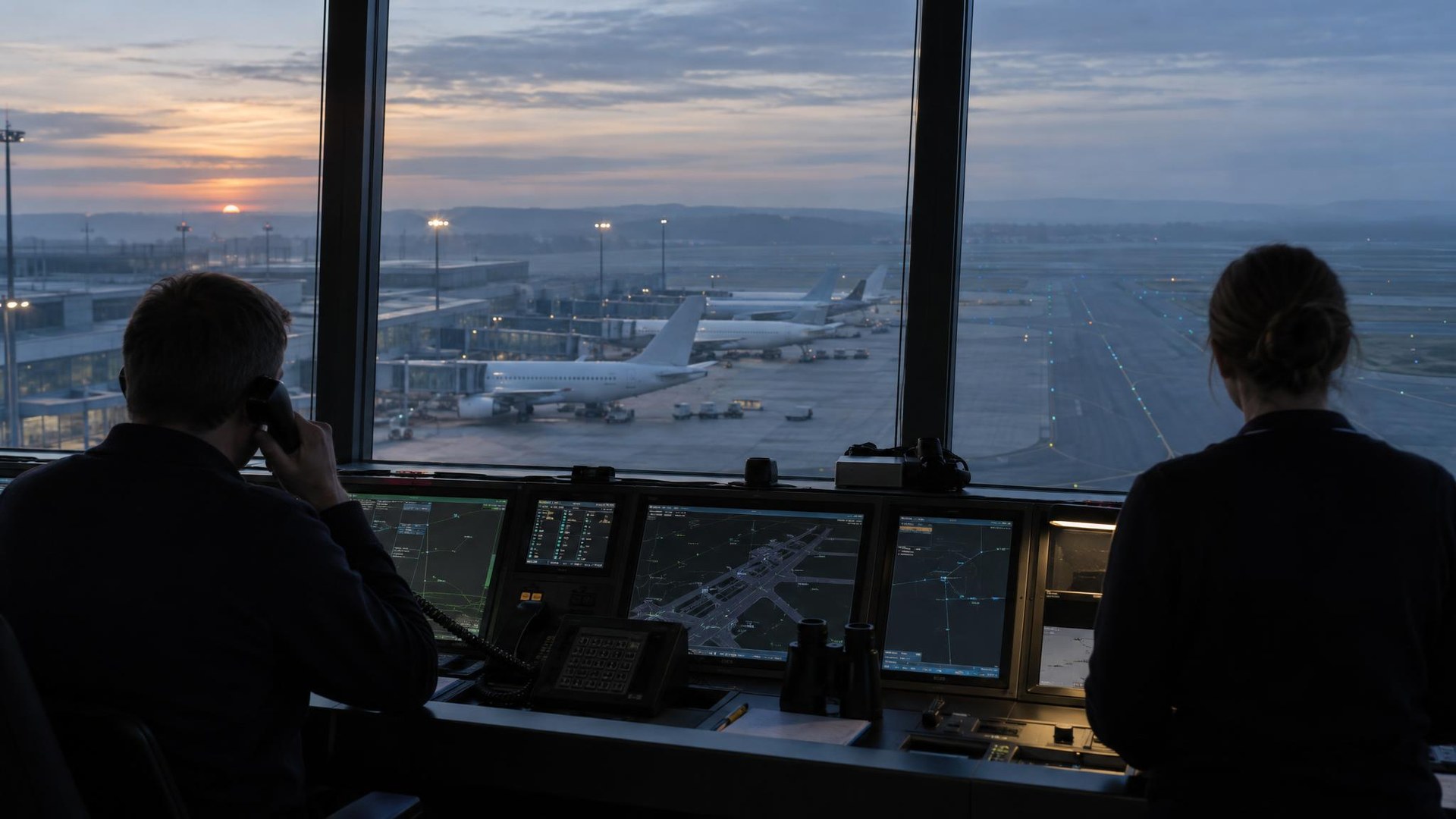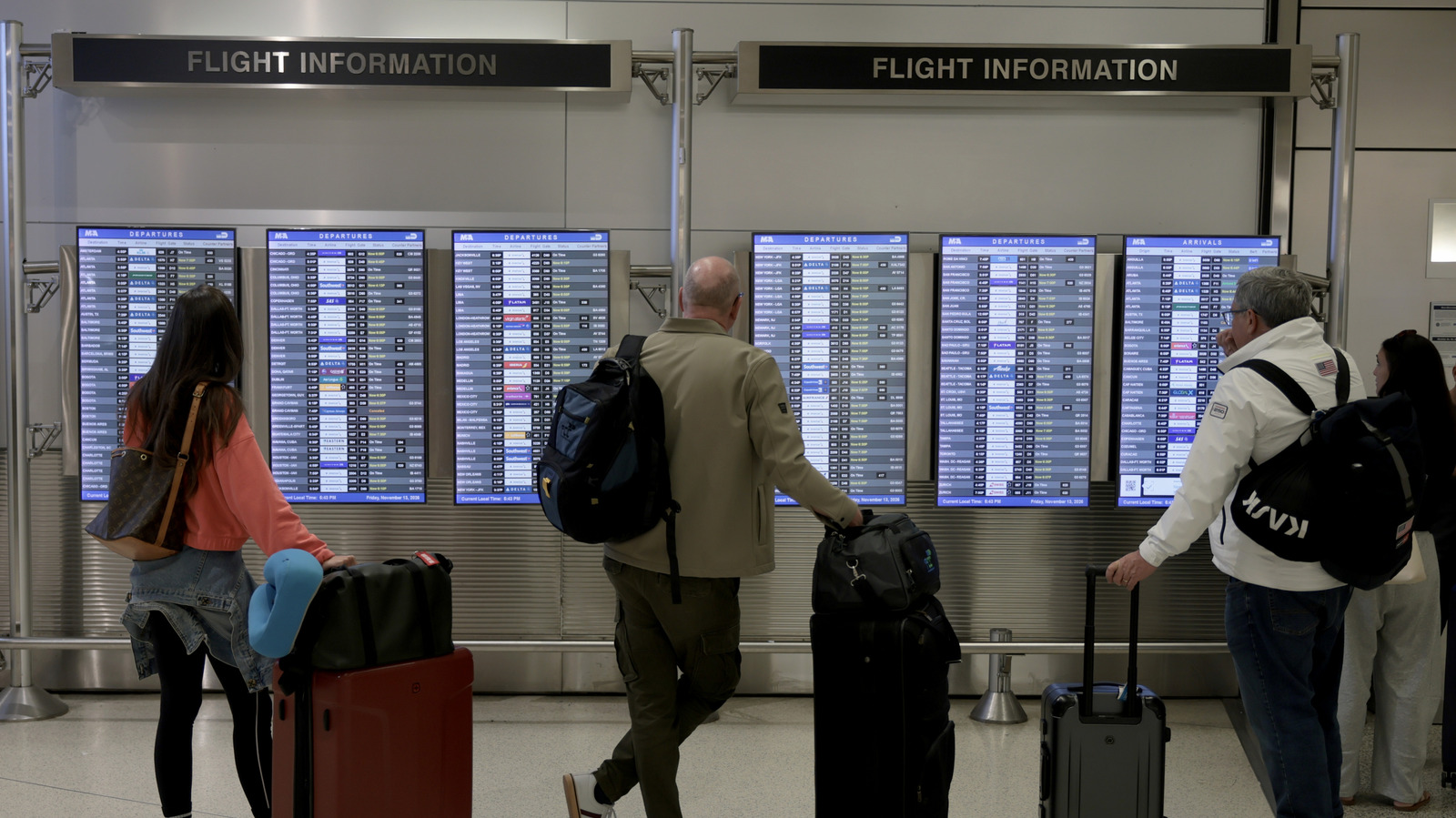

Transport secretary Sean Duffy blamed the USA’s ‘incredibly old air traffic control system.’
The Federal Aviation Administration has lifted a nationwide ground stop in the US that brought all flights to a halt for hours, starting in the afternoon of November 13. Hundreds of flights were canceled, thousands that were already flying had been diverted and millions of passengers were stranded as the ground stop went on. After the FAA lifted the suspension at 8:15PM Eastern time, transportation secretary Sean Duffy held a press conference, blaming old equipment — and the Congress’ unwillingness to fund their upgrades — for what happened.
Duffy explained that the USA’s “incredibly old air traffic control system” malfunctioned. The US still uses TDM telecom, which is a legacy analog telecommunications technology, to transmit information between facilities. Duffy said that its routers got “overloaded with data,” and by 3:36PM on the 13th, they started transmitting inconsistent information. The secretary said the equipment that had already been replaced weren’t affected, only the old ones. He also clarified that the US didn’t lose all communications and radar, but the FAA still decided to ground flights out of an abundance of caution.
“It’s going to continue to fail,” Duffy told reporters about the country’s air traffic control system, according to the New York Times. “How many times does this have to happen for Congress to give the money to fix it?” The FAA has only issued ground stops thrice this century, and this was the second longest after the 9/11 attacks. While the Congress has already given the FAA $12.5 billion to modernize the country’s air traffic facilities, Duffy has been trying to secure $30 billion more.
Markwayne Mullin, the secretary of Homeland Security, appeared with Duffy at the conference and said that there was no indication that the communication issues were caused by a cyberattack. Still, he said his agency was “still looking,” and Homeland Security is “not going to rule it out.” In addition, Mullin clarified that the incident wasn’t related to the lengthy outage that took out Microsoft’s services for over 24 hours.
Credit: Source link