
United Airlines announced on November 11, 2026 that it is barring unauthorized third-party AI agents from booking, servicing or purchasing travel through its digital platforms and indirect distribution channels. The airline cited privacy and account-security risks, unintended transactions and potential conflicts with Federal Aviation Administration (FAA) and U.S. Department of Transportation requirements.
United says sharing account credentials with personal AI assistants can expose sensitive information, while agent actions may produce unintended purchases, account changes or use of MileagePlus frequent-flyer miles.
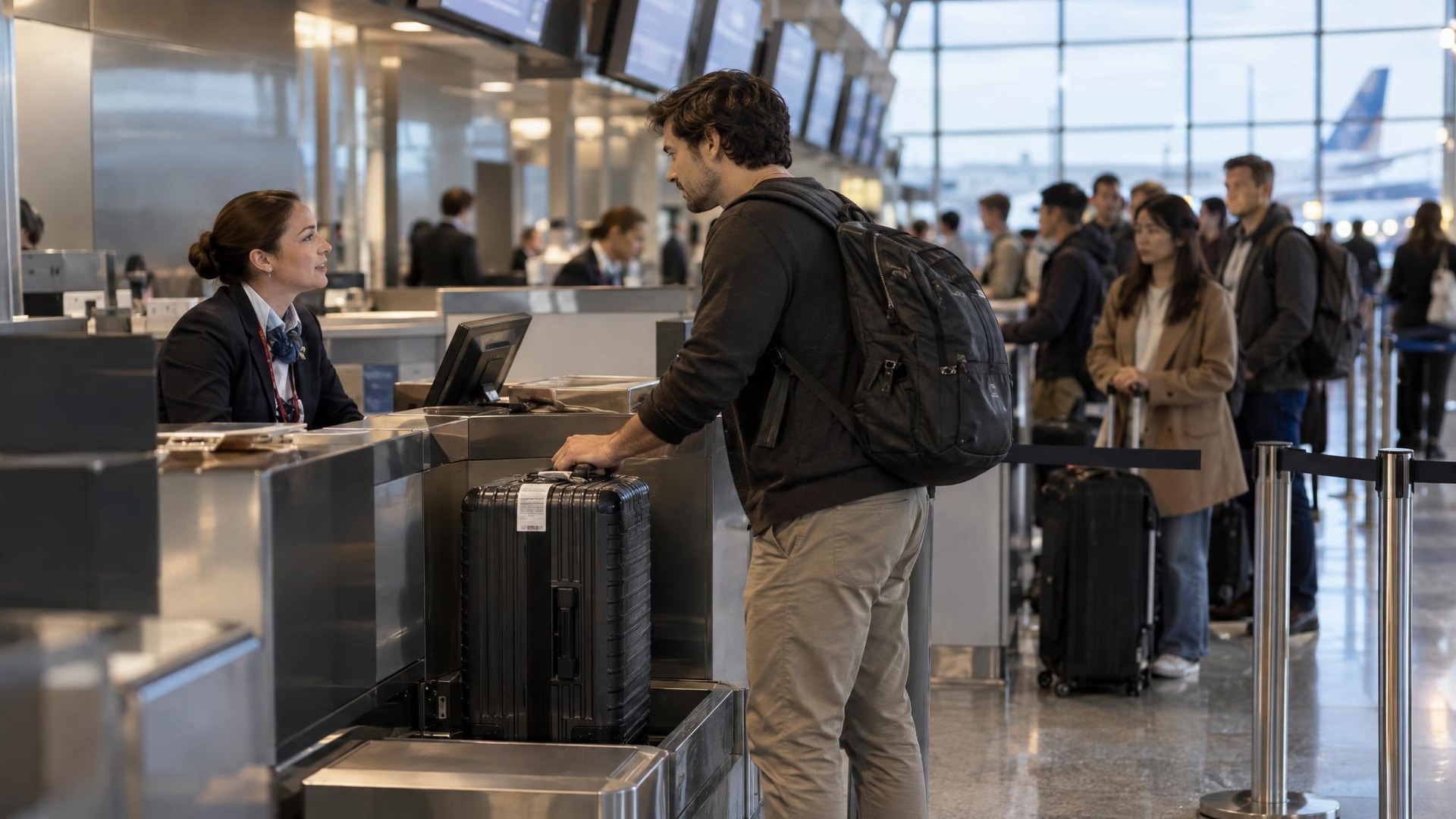
United’s aviation example is check-in, where a person must acknowledge that bags do not contain banned substances such as explosives. The airline says automated actions have the potential to violate FAA and DOT regulations, while automatic check-in could cause travelers to miss important safety content.
The policy separates customer permission from airline permission. A traveler may authorize an assistant without United being required to let it transact, and United’s customer guidance says the airline does not yet work with any third-party AI agents.
What Travelers Can Still Do
AI-assisted research and planning remain permitted when the tools use general information and do not access united.com or the United app. United advises customers not to provide credentials, confirmation numbers, MileagePlus details or other sensitive information. Customers can review AI-generated text and run resulting searches themselves on United’s website or app.
Bookings made by third-party agents before November 11, 2026 will not be canceled. United’s guidance recommends reviewing recent travel plans to confirm correct booking and ticketing, changing passwords immediately after sharing MileagePlus login details, and securing accounts after suspected unauthorized access or purchases.
Contract Scope and Enforcement
The Contract of Carriage, revised November 11, 2026, defines an AI agent as software or a service taking autonomous or semi-autonomous action, even when a passenger or another person supervises or approves its actions. The definition covers discovering, searching, booking, purchasing, ticketing, servicing and managing products offered by or through United, including flights, seats, upgrades, ancillary products and partner products.
That scope includes assistants built into social media, messaging, search and other consumer platforms, AI-enabled browsers, standalone agents, and third-party assistants reaching United through connections supplied by travel agencies or other intermediaries. The contract prohibits AI agents from making, modifying or servicing tickets and from purchasing services or products. It also lists reservations made, modified or serviced by AI agents among bookings United may cancel without notice.
For tickets involved in violations, the available remedies extend beyond cancellation: United reserves rights including invalidating tickets, canceling remaining itinerary segments, deleting MileagePlus miles or other benefits, revoking elite status, terminating program membership and taking legal action.
United’s updated website terms require prior written permission for automated-agent access to united.com or the mobile app and allow the airline to block or limit such agents. They also prohibit using fares, schedules, availability, pricing or other site and app data to train, fine-tune, ground, evaluate or otherwise develop any AI or machine-learning model or system.
Conditions for Approved Integrations
The website terms exempt disability assistive technology, standard browsers operated by a person but not their automated-agent features, limited tools that only turn a person’s voice or text into a search the person runs and reviews, public-page search indexing, and tools operated by or for United. Travel agencies and booking platforms may not use third-party AI agents to search for, book or manage United travel on direct or indirect channels; agencies’ own third-party AI tools require United’s permission.
United says it wants standardized, secure technology integrations with privacy, security, authorization and accountability protections before allowing agents to interact directly with accounts or bookings. That makes approved integrations, rather than customer-shared credentials, the gate for AI-managed travel on its channels, preserving a path for automated booking under airline-defined controls.
Credit: Source link