



• bitcoinBitcoin(BTC)$85,306.004.71%
  • ethereumEthereum(ETH)$2,724.362.09%
  • tetherTether(USDT)$1.000.01%
  • binancecoinBNB(BNB)$786.201.66%
  • rippleXRP(XRP)$1.516.08%
  • usd-coinUSDC(USDC)$1.000.01%
  • solanaSolana(SOL)$116.093.93%
  • tronTRON(TRX)$0.3485981.57%
  • zcashZcash(ZEC)$1,471.40-3.44%
  • Figure HelocFigure Heloc(FIGR_HELOC)$1.011.28%
  • HyperliquidHyperliquid(HYPE)$93.41-0.67%
  • dogecoinDogecoin(DOGE)$0.09912712.14%
  • moneroMonero(XMR)$570.85-2.18%
  • whitebitWhiteBIT Coin(WBT)$85.873.17%
  • RainRain(RAIN)$0.013666-3.74%
  • chainlinkChainlink(LINK)$12.882.32%
  • USDSUSDS(USDS)$1.000.00%
  • cardanoCardano(ADA)$0.2441625.39%
  • leo-tokenLEO Token(LEO)$8.950.38%
  • stellarStellar(XLM)$0.2104916.57%
  • nearNEAR Protocol(NEAR)$4.30-1.66%
  • uniswapUniswap(UNI)$8.911.56%
  • bitcoin-cashBitcoin Cash(BCH)$264.274.06%
  • Ethena USDeEthena USDe(USDE)$1.00-0.04%
  • litecoinLitecoin(LTC)$60.744.08%
  • avalanche-2Avalanche(AVAX)$10.64-6.64%
  • CantonCanton(CC)$0.1176605.13%
  • daiDai(DAI)$1.00-0.01%
  • USD1USD1(USD1)$1.00-0.03%
  • suiSui(SUI)$1.028.58%
  • the-open-networkGram (prev. Toncoin)(GRAM)$1.442.33%
  • hedera-hashgraphHedera(HBAR)$0.0921176.01%
  • BittensorBittensor(TAO)$314.4318.72%
  • shiba-inuShiba Inu(SHIB)$0.0000068.39%
  • crypto-com-chainCronos(CRO)$0.0659186.32%
  • Global DollarGlobal Dollar(USDG)$1.00-0.01%
  • MemeCoreMemeCore(M)$1.36-10.62%
  • paypal-usdPayPal USD(PYUSD)$1.000.01%
  • tether-goldTether Gold(XAUT)$4,334.68-0.52%
  • okbOKB(OKB)$121.021.42%
  • Circle USYCCircle USYC(USYC)$1.140.01%
  • Ripple USDRipple USD(RLUSD)$1.000.00%
  • BlackRock USD Institutional Digital Liquidity FundBlackRock USD Institutional Digital Liquidity Fund(BUIDL)$1.000.00%
  • Ondo US Dollar YieldOndo US Dollar Yield(USDY)$1.150.13%
  • BitwayBitway(BTW)$0.839.31%
  • aaveAave(AAVE)$142.913.24%
  • EthenaEthena(ENA)$0.212089-0.91%
  • mantleMantle(MNT)$0.645.88%
  • pepePepe(PEPE)$0.00000524.96%
  • OndoOndo(ONDO)$0.4322021.25%
TradePoint.io
  • Main
  • AI & Technology
  • Stock Charts
  • Market & News
  • Business
  • Finance Tips
  • Trade Tube
  • Blog
  • Shop
No Result
View All Result
TradePoint.io
No Result
View All Result

What are Optical Character Recognition (OCR) Models? Top Open-Source OCR Models

September 11, 2025
in AI & Technology
Reading Time: 5 mins read
A A
What are Optical Character Recognition (OCR) Models? Top Open-Source OCR Models
ShareShareShareShareShare


Optical Character Recognition (OCR) is the process of turning images that contain text—such as scanned pages, receipts, or photographs—into machine-readable text. What began as brittle rule-based systems has evolved into a rich ecosystem of neural architectures and vision-language models capable of reading complex, multi-lingual, and handwritten documents.

How OCR Works?

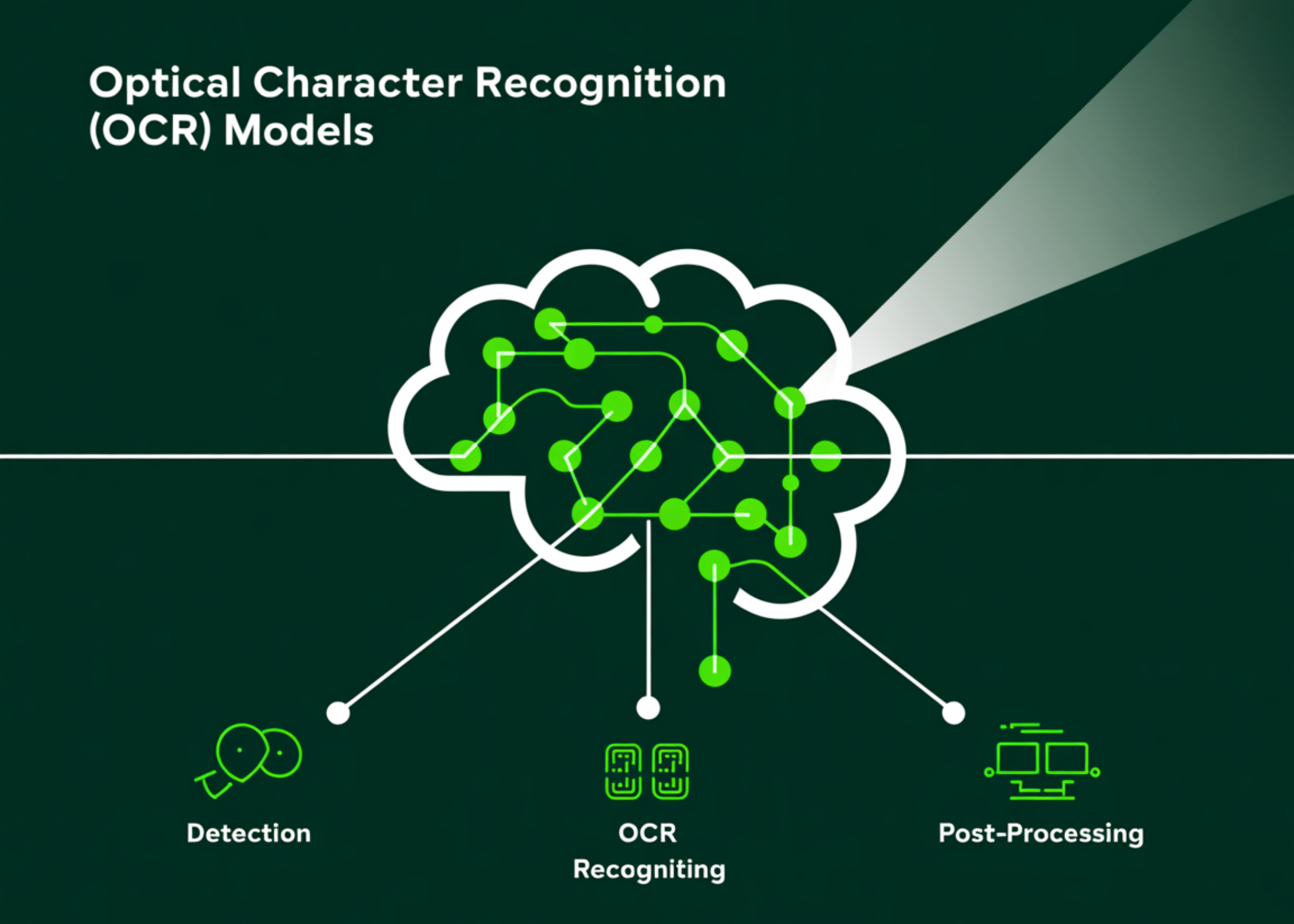
Every OCR system tackles three core challenges:

YOU MAY ALSO LIKE

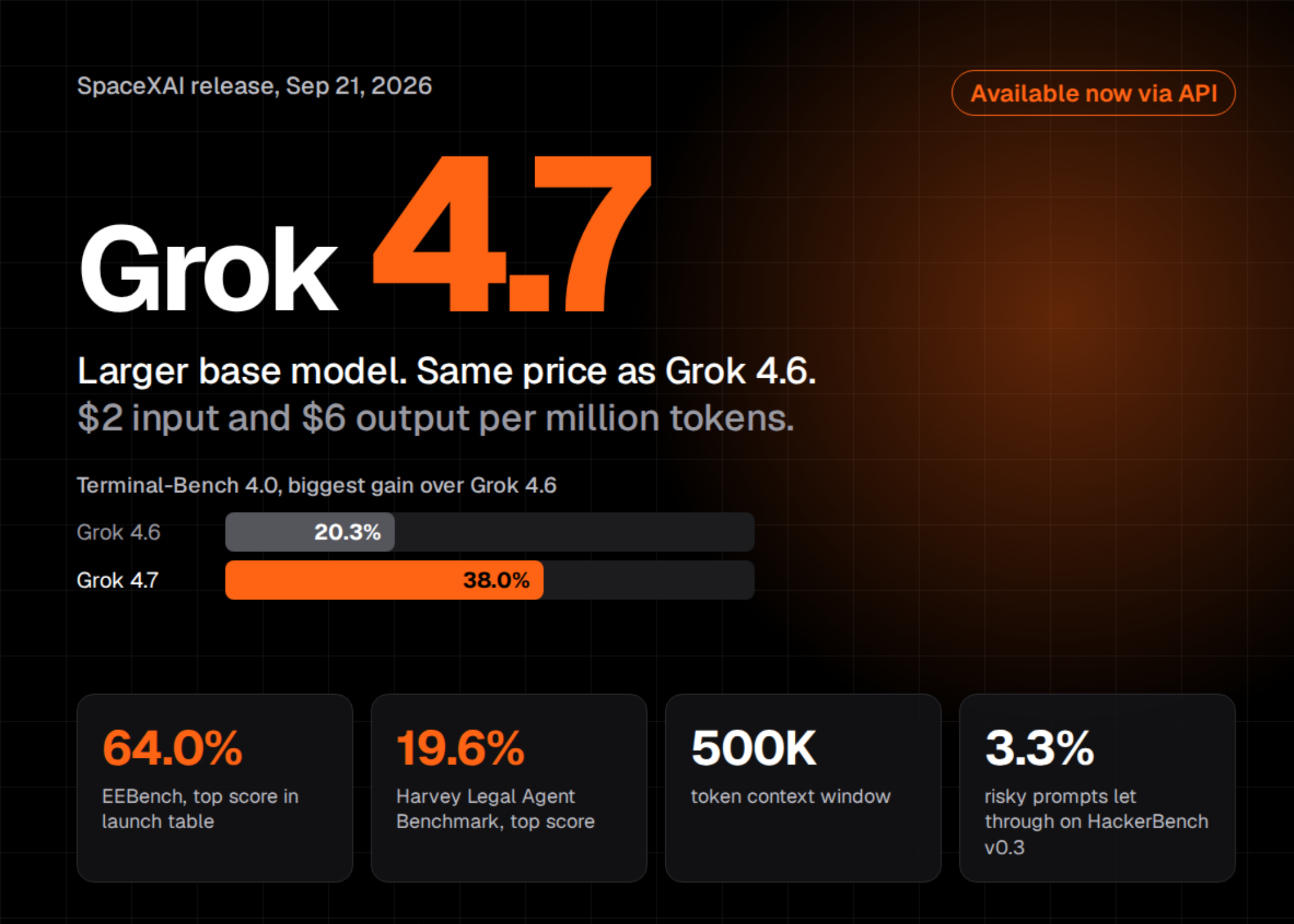
SpaceXAI Releases Grok 4.7: A Larger Base Model at the Same $2/$6 Price as Grok 4.6

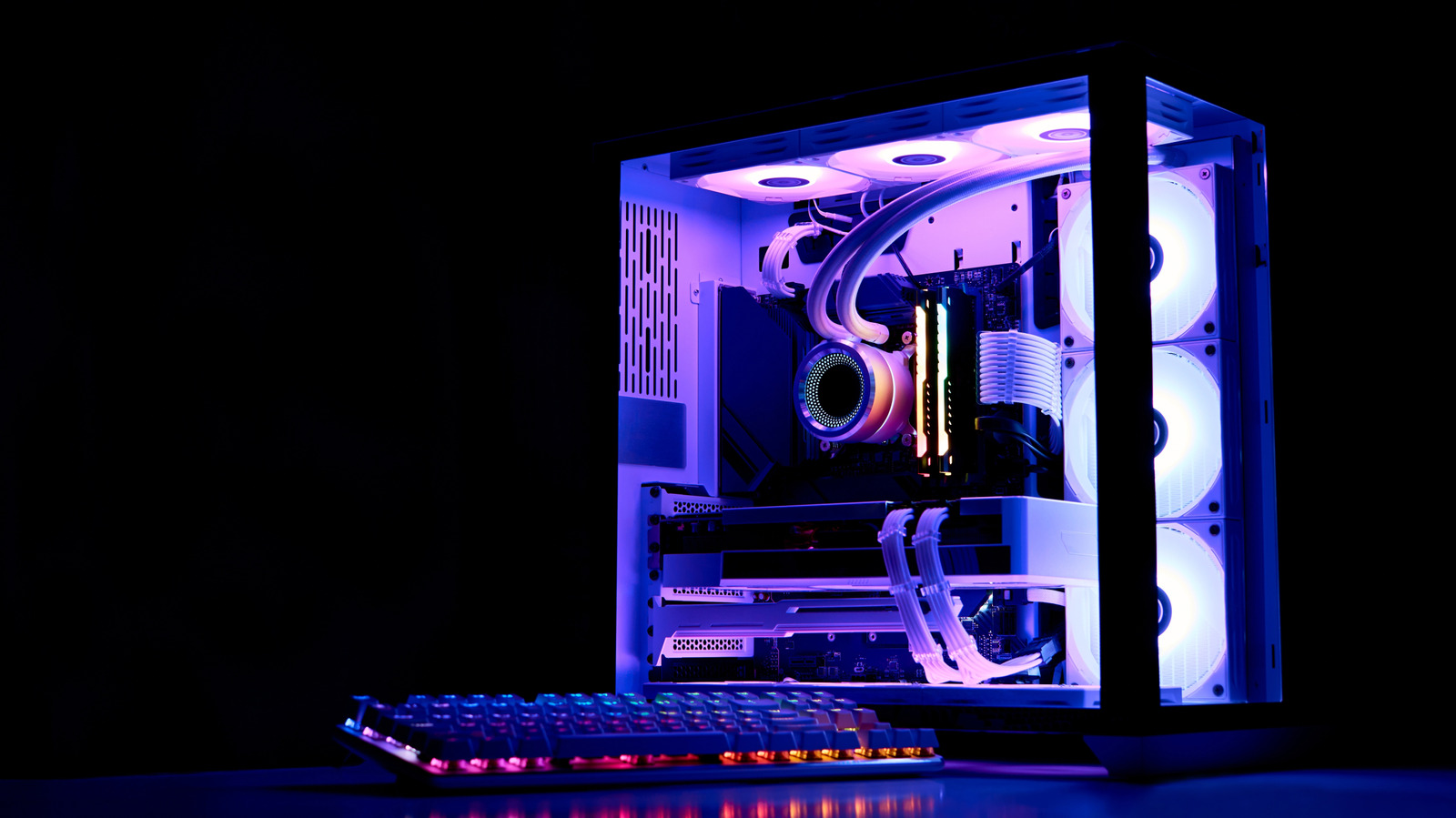
Why It’s Important To Unplug Your PC During A Power Outage

  1. Detection – Finding where text appears in the image. This step has to handle skewed layouts, curved text, and cluttered scenes.
  2. Recognition – Converting the detected regions into characters or words. Performance depends heavily on how the model handles low resolution, font diversity, and noise.
  3. Post-Processing – Using dictionaries or language models to correct recognition errors and preserve structure, whether that’s table cells, column layouts, or form fields.

The difficulty grows when dealing with handwriting, scripts beyond Latin alphabets, or highly structured documents such as invoices and scientific papers.

From Hand-Crafted Pipelines to Modern Architectures

  • Early OCR: Relied on binarization, segmentation, and template matching. Effective only for clean, printed text.
  • Deep Learning: CNN and RNN-based models removed the need for manual feature engineering, enabling end-to-end recognition.
  • Transformers: Architectures such as Microsoft’s TrOCR expanded OCR into handwriting recognition and multilingual settings with improved generalization.
  • Vision-Language Models (VLMs): Large multimodal models like Qwen2.5-VL and Llama 3.2 Vision integrate OCR with contextual reasoning, handling not just text but also diagrams, tables, and mixed content.

Comparing Leading Open-Source OCR Models

Model Architecture Strengths Best Fit
Tesseract LSTM-based Mature, supports 100+ languages, widely used Bulk digitization of printed text
EasyOCR PyTorch CNN + RNN Easy to use, GPU-enabled, 80+ languages Quick prototypes, lightweight tasks
PaddleOCR CNN + Transformer pipelines Strong Chinese/English support, table & formula extraction Structured multilingual documents
docTR Modular (DBNet, CRNN, ViTSTR) Flexible, supports both PyTorch & TensorFlow Research and custom pipelines
TrOCR Transformer-based Excellent handwriting recognition, strong generalization Handwritten or mixed-script inputs
Qwen2.5-VL Vision-language model Context-aware, handles diagrams and layouts Complex documents with mixed media
Llama 3.2 Vision Vision-language model OCR integrated with reasoning tasks QA over scanned docs, multimodal tasks

Emerging Trends

Research in OCR is moving in three notable directions:

  • Unified Models: Systems like VISTA-OCR collapse detection, recognition, and spatial localization into a single generative framework, reducing error propagation.
  • Low-Resource Languages: Benchmarks such as PsOCR highlight performance gaps in languages like Pashto, suggesting multilingual fine-tuning.
  • Efficiency Optimizations: Models such as TextHawk2 reduce visual token counts in transformers, cutting inference costs without losing accuracy.

Conclusion

The open-source OCR ecosystem offers options that balance accuracy, speed, and resource efficiency. Tesseract remains dependable for printed text, PaddleOCR excels with structured and multilingual documents, while TrOCR pushes the boundaries of handwriting recognition. For use cases requiring document understanding beyond raw text, vision-language models like Qwen2.5-VL and Llama 3.2 Vision are promising, though costly to deploy.

The right choice depends less on leaderboard accuracy and more on the realities of deployment: the types of documents, scripts, and structural complexity you need to handle, and the compute budget available. Benchmarking candidate models on your own data remains the most reliable way to decide.


Michal Sutter is a data science professional with a Master of Science in Data Science from the University of Padova. With a solid foundation in statistical analysis, machine learning, and data engineering, Michal excels at transforming complex datasets into actionable insights.


Previous articleOpenAI Adds Full MCP Tool Support in ChatGPT Developer Mode: Enabling Write Actions, Workflow Automation, and Enterprise Integrations


Credit: Source link

ShareTweetSendSharePin

Related Posts

SpaceXAI Releases Grok 4.7: A Larger Base Model at the Same / Price as Grok 4.6
AI & Technology

SpaceXAI Releases Grok 4.7: A Larger Base Model at the Same $2/$6 Price as Grok 4.6

September 22, 2026
Why It’s Important To Unplug Your PC During A Power Outage
AI & Technology

Why It’s Important To Unplug Your PC During A Power Outage

September 22, 2026
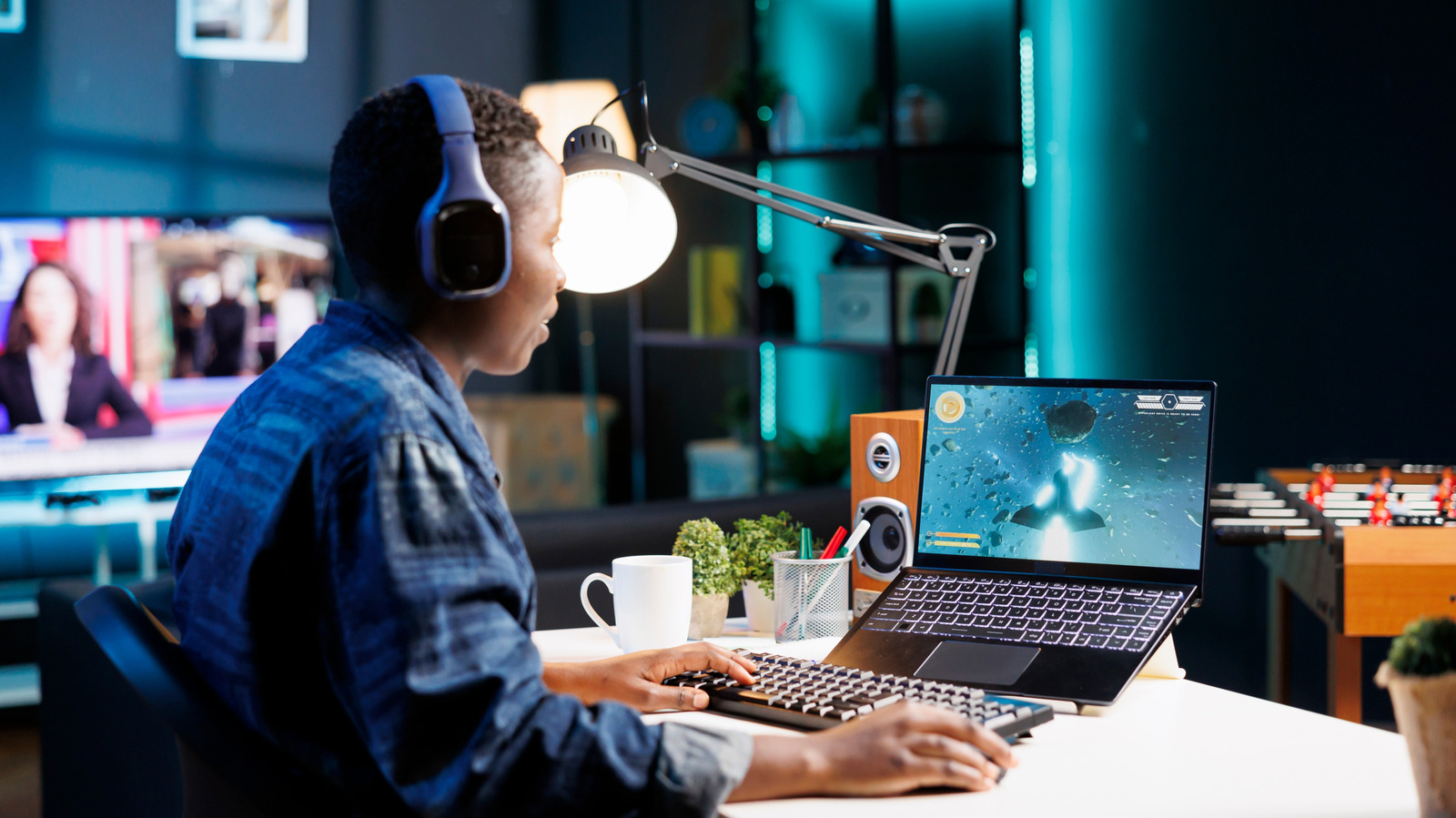
Why Is Your Laptop Fan So Loud?
AI & Technology

Why Is Your Laptop Fan So Loud?

September 22, 2026
These Drones Could Cover Up To 98 Percent Of The World’s Oceans By 2028
AI & Technology

These Drones Could Cover Up To 98 Percent Of The World’s Oceans By 2028

September 21, 2026
Next Post
French lawmaker wants criminal probe of TikTok for ‘endangering the lives’ of users

French lawmaker wants criminal probe of TikTok for 'endangering the lives' of users

Leave a Reply Cancel reply

Your email address will not be published. Required fields are marked *

Search

No Result
View All Result
New Jev Model Acts in Real Time… Minecraft Broke It

New Jev Model Acts in Real Time… Minecraft Broke It

September 19, 2026
NBC Nightly News with Tom Llamas Full Episode – Sept. 2

NBC Nightly News with Tom Llamas Full Episode – Sept. 2

September 18, 2026
Kalshi permanently bans George Santos

Kalshi permanently bans George Santos

September 20, 2026

About

Learn more

Our Services

Legal

Privacy Policy

Terms of Use

Bloggers

Learn more

Article Links

Contact

Advertise

Ask us anything

©2020- TradePoint.io - All rights reserved!

Tradepoint.io, being just a publishing and technology platform, is not a registered broker-dealer or investment adviser. So we do not provide investment advice. Rather, brokerage services are provided to clients of Tradepoint.io by independent SEC-registered broker-dealers and members of FINRA/SIPC. Every form of investing carries some risk and past performance is not a guarantee of future results. “Tradepoint.io“, “Instant Investing” and “My Trading Tools” are registered trademarks of Apperbuild, LLC.

This website is operated by Apperbuild, LLC. We have no link to any brokerage firm and we do not provide investment advice. Every information and resource we provide is solely for the education of our readers. © 2020 Apperbuild, LLC. All rights reserved.

No Result
View All Result
  • Main
  • AI & Technology
  • Stock Charts
  • Market & News
  • Business
  • Finance Tips
  • Trade Tube
  • Blog
  • Shop

© 2023 - TradePoint.io - All Rights Reserved!