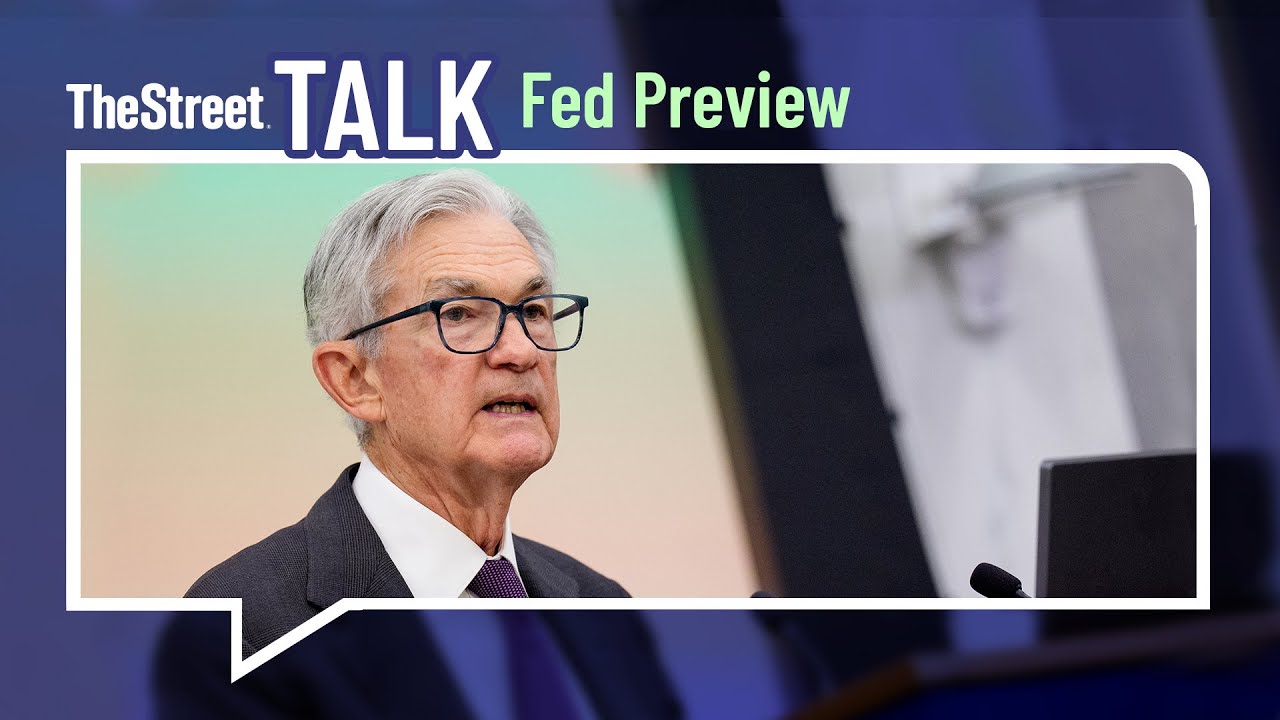



















The economy may not be as strong as it appears on the surface.
Transcript:
CAROLINE WOODS: Danielle, you’ve talked about some of the data points that warrant these rate cuts. You’ve also said that there’s this quiet recession happening here in the US. What are those recessionary signs that you’re seeing and why is there a disconnect? Because so much of the narrative is around the Fed, at least until this point, achieving the so-called soft landing?
DANIELLE DIMARTINO BOOTH: Well, you know, it’s interesting you ask, because tomorrow morning at the meeting, they’re going to have the latest revisions to quarterly payroll growth. We know that in the second quarter of 2024, for example, with the data that’s going to be released tomorrow morning, that there were net job losses in the second quarter of 2024, we expect to see a continuation of that negative momentum that is demonstrating to the Fed when the US economy entered recession. Of course, layoffs only begin after recession has begun. They’re a lagging indicator. And the fact that we’ve seen net job losses begin more than a year ago again, is going to be very problematic for a lot of the members of the Federal Open Market Committee who are leaning more dovish.
CAROLINE WOODS: But Danielle, the Conference Board just released the consumer confidence report and it showed that confidence actually rebounded in July. We’re starting to see signs of strength in the consumer again. What do you make of that?
DANIELLE DIMARTINO BOOTH: Well, I think what you’re seeing in the read through there. And again, if you look inside the Conference Board’s report, the job’s hard to get measure actually increased. In other words, it’s harder for American workers to get a job. What you’re seeing is the disinflation start to come through these confidence reports. Same with University of Michigan. We’re seeing quickly falling inflation expectations on households parts, which is fabulous news. It’s great news for the US household that really has been debilitated by a rising cost of living. But again, what you’re seeing adds fodder, if you will, adds another element of argument for those who are dovish to say, hey, US households are perceiving inflation as being lower going forward, but yet they’re seeing the ability to secure employment actually getting to be rougher, tougher. So those are definitely in tension with one another. Tension is actually a word I bring up, because that’s a word that Powell has been using to discuss the tension between the inflation and the other dual mandate. The employment mandate that the Fed has to comply with.
Watch full interview here:
Subscribe |
Earn. Live. Invest. |
TheStreet Pro |
#Investing #Stocks #WallStreet
source