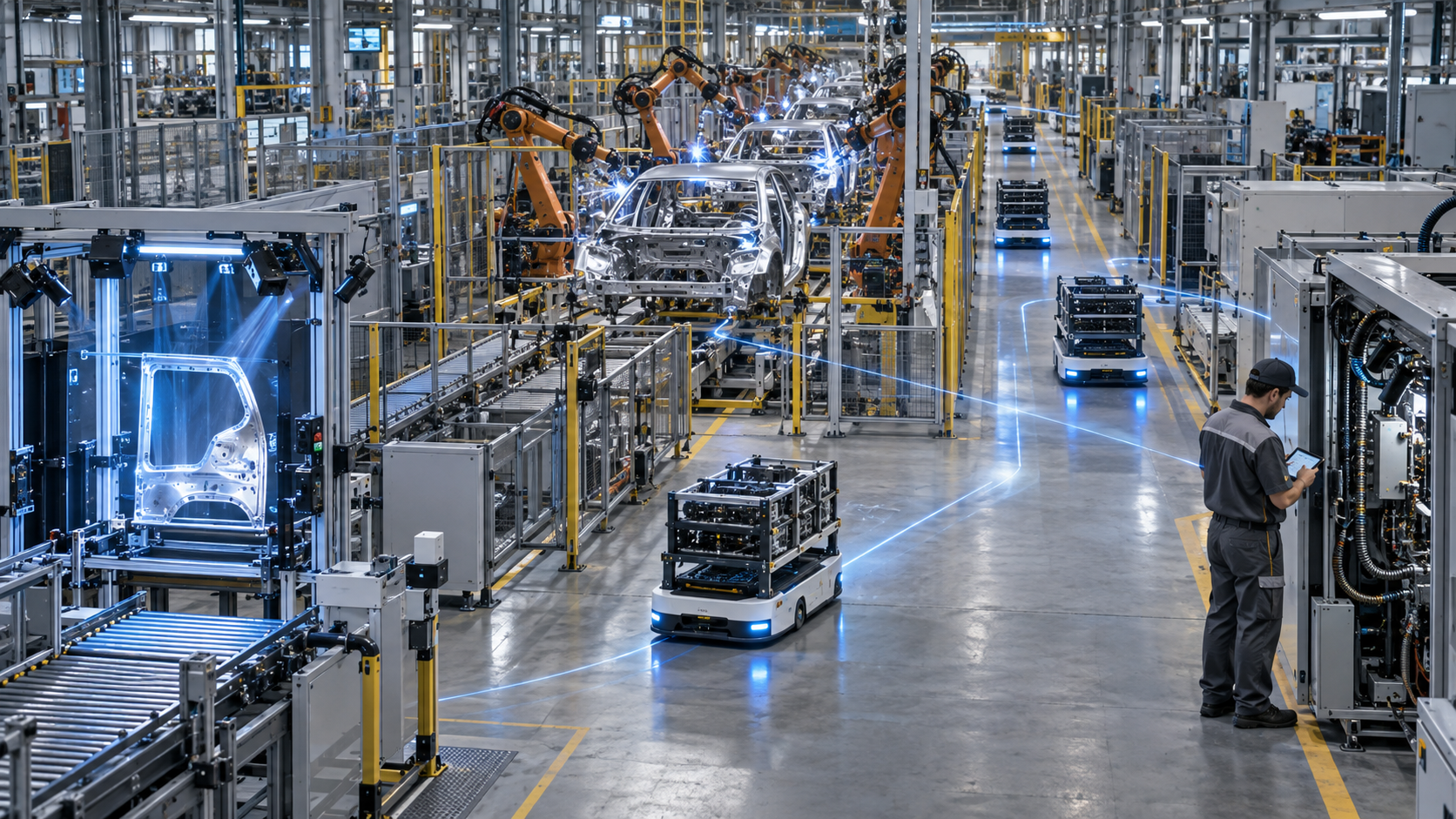





Artificial Intelligence (AI) is no longer just a fictional concept. It is a driving force behind some of the most astonishing changes in industries like healthcare, transportation, and entertainment. These systems, from self-driving cars to AI-powered diagnostic tools, are essential to our daily lives. Yet, as these systems become more complex and embedded in critical industries, a question arises that many have yet to consider: Why can’t we repair AI systems the same way we repair our phones or cars?
The “Right to Repair” movement has gained momentum in recent years and focused initially on consumer electronics and the automotive industry. The idea is simple: people should have the right to fix their products without being forced to rely on manufacturers or void warranties. However, the stakes increase as AI becomes more embedded in everything from medical equipment to factory robots. The question is not just about convenience but also accessibility, security, and ensuring that the AI systems we rely on can be maintained and repaired when things go wrong.
What is the Right to Repair, and How Does It Relate to AI?
The Right to Repair is not a new idea. It has gained traction, particularly in the consumer electronics and automotive industries. Simply put, the movement advocates for consumers’ right to fix their devices or hire third parties without the risk of voiding warranties or being blocked by manufacturers. Efforts like the Fair Repair Act helped formalize this, making it easier for consumers and independent repair shops to access parts, tools, and manuals needed to perform repairs.
The success of this movement in the electronics and automotive sectors laid the foundation for expanding it to other industries. For example, car manufacturers once restricted access to parts and technical information, forcing consumers and mechanics to rely solely on dealerships. This practice led to higher repair costs, longer waiting times, and sometimes, unnecessary waste when vehicles were replaced instead of repaired. The Right to Repair aims to break down these barriers, making repairs more affordable and accessible by fostering competition.
The same principles should apply as AI has become a significant part of everyday life. But why should AI be any different? The challenge lies in the complexity of AI systems. Unlike traditional machines, AI involves algorithms, machine learning models, and vast amounts of data. This makes repairs far more complicated. For instance, when a diagnostic AI system fails, should the hospital have the right to fix it, or must they wait for the vendor, often at a steep cost? This lack of control over essential AI systems is a significant concern and could hinder innovation if left unaddressed.
Restricting the ability to repair AI systems can restrain innovation and impede progress. It prevents skilled individuals and smaller companies from improving existing technologies and creating innovative solutions. Enabling the Right to Repair for AI would democratize technology and allow a broader range of entities to contribute to advancing and optimizing AI applications.
The Economic, Environmental, and Innovation Benefits of the Right to Repair AI
The Right to Repair AI is far more than just convenience. It has substantial economic, environmental, and innovation-driven advantages that could transform industries.
Currently, original manufacturers or authorized service providers often control AI system repairs, resulting in high costs. In industries like healthcare, where AI-powered tools are increasingly used, a malfunctioning system can lead to substantial repair expenses, lost productivity, and time wasted waiting for repairs. For instance, if an AI-based diagnostic tool fails in a hospital, the financial impact goes beyond the repair bill and disrupts patient care and operations. By allowing third-party technicians access to the necessary repair information and parts, these costs can be significantly reduced, and systems can be restored faster, minimizing downtime.
The environmental impact is another important consideration. Discarding or replacing broken AI systems contributes to the growing problem of electronic waste (e-waste). The ecological effects of AI systems are another significant concern. E-waste is now one of the fastest-growing waste streams worldwide, with a record 62 megatons generated in 2022 alone. According to the United Nations, only 17.4% of this e-waste is recycled correctly, and by 2030, e-waste generation is expected to reach 82 megatons annually. Much of the waste generated has no clear pathway for responsible collection or recycling, and 78% of e-waste lacks transparency in its handling.
Promoting repairability could significantly reduce e-waste. By extending the lifespan of AI systems through repair instead of replacement, valuable resources like metals, plastics, and rare earth elements can be preserved. Companies like Fairphone, which focus on creating modular and repairable smartphones, have shown that repairable products help reduce e-waste and build customer loyalty and satisfaction. Their approach proves that sustainability does not have to come at the cost of quality, and consumers are increasingly aware of the environmental impact of their choices.
Repairable AI systems could follow a similar approach. Instead of discarding malfunctioning devices, repairing them could become standard. This shift would help reduce waste, save valuable resources, and reduce environmental impact. By embracing repairability, businesses contribute to less e-waste and benefit from a more sustainable approach that resonates with environmentally conscious consumers. This change in mindset could be a key factor in slowing down the rapid growth of e-waste while fostering long-term value for both the planet and companies.
Navigating the Challenges and Future of AI Repairability
Implementing the Right to Repair for AI systems faces significant challenges that must be addressed to make it a practical reality. Modern AI systems involve physical hardware and complex software algorithms, data models, and machine learning frameworks. This complexity makes repair far more complicated than traditional hardware systems and often requires specialized expertise.
Access to technical documentation is also a significant hurdle. Many AI-powered devices, whether used in consumer electronics, healthcare, or industrial applications, operate on proprietary algorithms and training data. Manufacturers frequently withhold the necessary resources, such as documentation or diagnostic tools, preventing third-party technicians from effectively understanding or repairing these systems. Even the most skilled professionals face significant barriers in diagnosing and addressing issues without such resources.
Security concerns further complicate repairability. AI systems often process sensitive data, such as medical records, financial transactions, and personal information. Permitting third-party repairs or modifications could introduce vulnerabilities that compromise the integrity and security of these systems. Unauthorized repairs may unintentionally alter algorithms, leading to biased outputs, errors, or system malfunctions. Balancing the need for repairability with safeguarding against potential cyber threats is a critical challenge.
Intellectual property and business interests also play a significant role. Many companies tightly control repair and maintenance processes to protect proprietary technologies, arguing that this approach maintains the quality and security of their systems. However, such practices can lead to monopolistic behavior that limits competition, harms consumers, and hinders innovation. Addressing this challenge requires balancing protecting intellectual property and enabling systems to be repaired, updated, and modified securely and responsibly.
Looking forward, the future of AI repairability depends on collaboration among manufacturers, legislators, and repair advocates. A framework that ensures AI systems are repairable while remaining secure and reliable must be developed. With growing public support for the Right to Repair, legislative efforts will likely emerge, requiring AI manufacturers to provide access to repair tools and technical documentation.
As AI has become increasingly integrated into daily life, the Right to Repair will play a vital role in ensuring accessibility, affordability, and sustainability. It can promote a more competitive and innovative ecosystem, reduce electronic waste, and encourage ethical business practices. Ultimately, enabling AI systems to be repaired is not merely about fixing broken technologies but empowering consumers, encouraging innovation, and building a future where technology works for everyone.
The Bottom Line
In conclusion, the Right to Repair for AI is essential to making technology more accessible, sustainable, and innovative. As AI systems become crucial in industries and daily life, empowering consumers and businesses to repair and maintain these systems will reduce costs, minimize e-waste, and foster healthy competition.
Overcoming challenges like technical complexity, security concerns, and proprietary restrictions requires collaboration among stakeholders to maintain a balance between openness and protection. By embracing repairability, society can ensure that AI systems are reliable and adaptable while contributing to a more sustainable future.
Credit: Source link