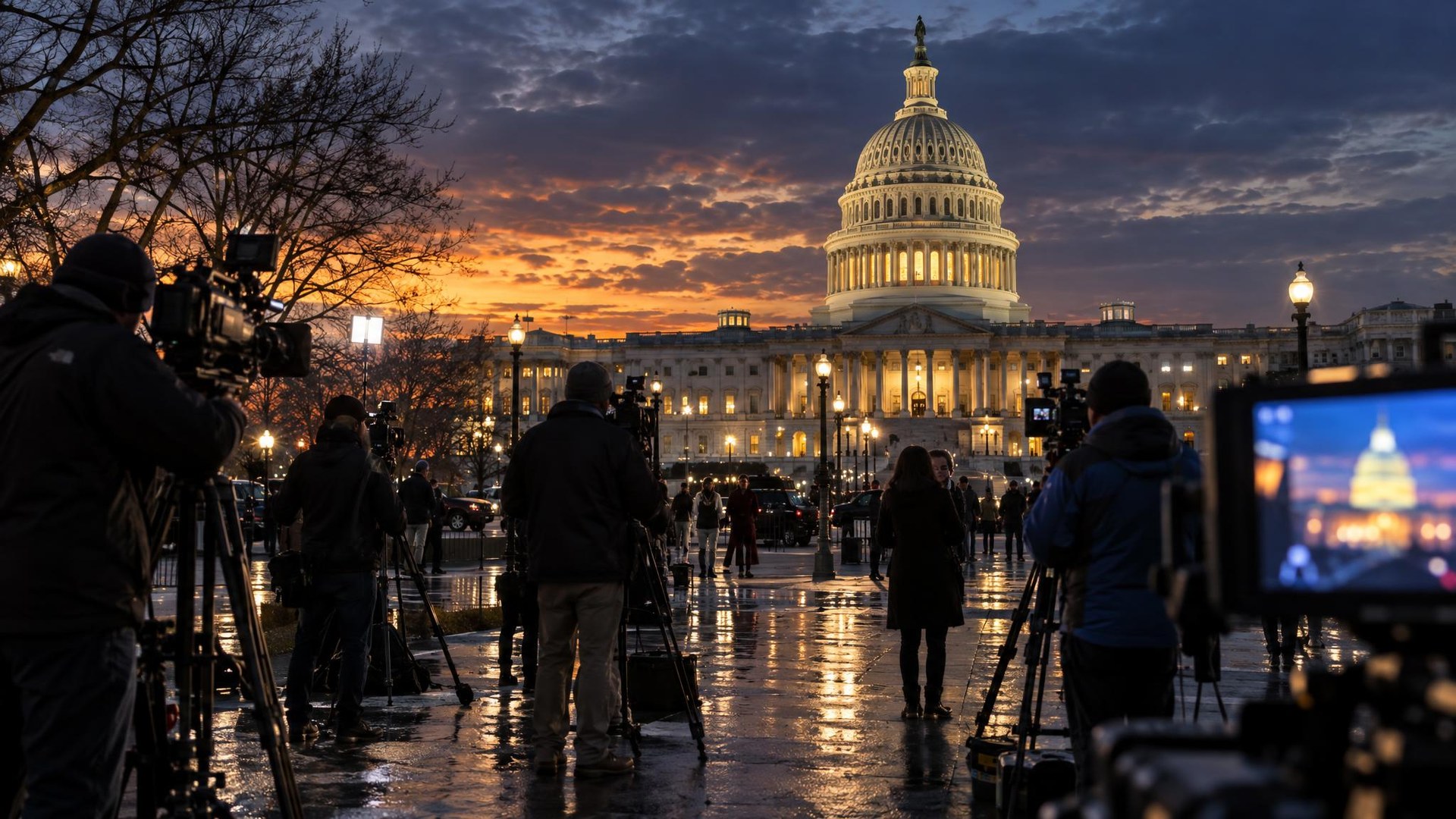
In an era where technology evolves at an exceptionally fast pace, deepfakes have emerged as a controversial and potentially dangerous innovation. These hyperrealistic digital forgeries, created using advanced Artificial Intelligence (AI) techniques like Generative Adversarial Networks (GANs), can mimic real-life appearances and movements with supernatural accuracy.
Initially, deepfakes were a niche application, but they have quickly gained prominence, blurring the lines between reality and fiction. While the entertainment industry uses deepfakes for visual effects and creative storytelling, the darker implications are alarming. Hyperrealistic deepfakes can undermine the integrity of information, erode public trust, and disrupt social and political systems. They are gradually becoming tools to spread misinformation, manipulate political outcomes, and damage personal reputations.
The Origins and Evolution of Deepfakes
Deepfakes utilize advanced AI techniques to create incredibly realistic and convincing digital forgeries. These techniques involve training neural networks on large datasets of images and videos, enabling them to generate synthetic media that closely mimics real-life appearances and movements. The advent of GANs in 2014 marked a significant milestone, allowing the creation of more sophisticated and hyperrealistic deepfakes.
GANs consist of two neural networks, the generator and the discriminator, working in tandem. The generator creates fake images while the discriminator attempts to distinguish between real and fake images. Through this adversarial process, both networks improve, leading to the creation of highly realistic synthetic media.
Recent advancements in machine learning techniques, such as Convolutional Neural Networks (CNNs) and Recurrent Neural Networks (RNNs), have further enhanced the realism of deepfakes. These advancements allow for better temporal coherence, meaning synthesized videos are smoother and more consistent over time.
The spike in deepfake quality is primarily due to advancements in AI algorithms, more extensive training datasets, and increased computational power. Deepfakes can now replicate not just facial features and expressions but also minute details like skin texture, eye movements, and subtle gestures. The availability of vast amounts of high-resolution data, coupled with powerful GPUs and cloud computing, has also accelerated the development of hyperrealistic deepfakes.
The Dual-Edged Sword of Technology
While the technology behind deepfakes has legitimate and beneficial applications in entertainment, education, and even medicine, its potential for misuse is alarming. Hyperrealistic deepfakes can be weaponized in several ways, including political manipulation, misinformation, cybersecurity threats, and reputation damage.
For instance, deepfakes can create false statements or actions by public figures, potentially influencing elections and undermining democratic processes. They can also spread misinformation, making it nearly impossible to distinguish between genuine and fake content. Deepfakes can bypass security systems that rely on biometric data, posing a significant threat to personal and organizational security. Additionally, individuals and organizations can suffer immense harm from deepfakes that depict them in compromising or defamatory situations.
Real-World Impact and Psychological Consequences
Several high-profile cases have demonstrated the potential for harm from hyperrealistic deepfakes. The deepfake video created by filmmaker Jordan Peele and released by BuzzFeed showed former President Barack Obama appearing to say derogatory remarks about Donald Trump. This video was created to raise awareness about the potential dangers of deepfakes and how they can be used to spread disinformation.
Likewise, another deepfake video depicted Mark Zuckerberg boasting about having control over users’ data, suggesting a scenario where data control translates to power. This video, created as part of an art installation, was intended to critique the power held by tech giants.
Similarly, the Nancy Pelosi video in 2019, though not a deepfake, points out how easy it is to spread misleading content and the potential consequences. In 2021, a series of deepfake videos featuring actor Tom Cruise went viral on TikTok, demonstrating the power of hyperrealistic deepfakes to capture public attention and go viral. These cases illustrate the psychological and societal implications of deepfakes, including the erosion of trust in digital media and the potential for increased polarization and conflict.
Psychological and Societal Implications
Beyond the immediate threats to individuals and institutions, hyperrealistic deepfakes have broader psychological and societal implications. The erosion of trust in digital media can lead to a phenomenon known as the “liar’s dividend,” where the mere possibility of content being fake can be used to dismiss genuine evidence.
As deepfakes become more prevalent, public trust in media sources may diminish. People may become skeptical of all digital content, undermining the credibility of legitimate news organizations. This distrust can aggravate societal divisions and polarize communities. When people cannot agree on basic facts, constructive dialogue and problem-solving become increasingly difficult.
In addition, misinformation and fake news, amplified by deepfakes, can deepen existing societal rifts, leading to increased polarization and conflict. This can make it harder for communities to come together and address shared challenges.
Legal and Ethical Challenges
The rise of hyperrealistic deepfakes presents new challenges for legal systems worldwide. Legislators and law enforcement agencies must make efforts to define and regulate digital forgeries, balancing the need for security with the protection of free speech and privacy rights.
Making effective legislation to combat deepfakes is complex. Laws must be precise enough to target malicious actors without hindering innovation or infringing on free speech. This requires careful consideration and collaboration among legal experts, technologists, and policymakers. For instance, the United States passed the DEEPFAKES Accountability Act, making it illegal to create or distribute deepfakes without disclosing their artificial nature. Similarly, several other countries, such as China and the European Union, are coming up with strict and comprehensive AI regulations to avoid problems.
Combating the Deepfake Threat
Addressing the threat of hyperrealistic deepfakes requires a multifaceted approach involving technological, legal, and societal measures.
Technological solutions include detection algorithms that can identify deepfakes by analyzing inconsistencies in lighting, shadows, and facial movements, digital watermarking to verify the authenticity of media, and blockchain technology to provide a decentralized and immutable record of media provenance.
Legal and regulatory measures include passing laws to address the creation and distribution of deepfakes and establishing dedicated regulatory bodies to monitor and respond to deepfake-related incidents.
Societal and educational initiatives include media literacy programs to help individuals critically evaluate content and public awareness campaigns to inform citizens about deepfakes. Moreover, collaboration among governments, tech companies, academia, and civil society is essential to combat the deepfake threat effectively.
The Bottom Line
Hyperrealistic deepfakes pose a significant threat to our perception of truth and reality. While they offer exciting possibilities in entertainment and education, their potential for misuse is alarming. To combat this threat, a multifaceted approach involving advanced detection technologies, robust legal frameworks, and comprehensive public awareness is essential.
By encouraging collaboration among technologists, policymakers, and society, we can mitigate the risks and preserve the integrity of information in the digital age. It is a collective effort to ensure that innovation does not come at the cost of trust and truth.

Credit: Source link