• bitcoinBitcoin(BTC)$80,425.00-0.67%
  • ethereumEthereum(ETH)$2,575.34-1.86%
  • tetherTether(USDT)$1.00-0.01%
  • binancecoinBNB(BNB)$751.18-1.44%
  • rippleXRP(XRP)$1.38-2.83%
  • usd-coinUSDC(USDC)$1.00-0.01%
  • solanaSolana(SOL)$108.57-2.76%
  • tronTRON(TRX)$0.3401930.83%
  • zcashZcash(ZEC)$1,451.08-6.48%
  • Figure HelocFigure Heloc(FIGR_HELOC)$1.02-1.31%
  • HyperliquidHyperliquid(HYPE)$90.82-1.43%
  • dogecoinDogecoin(DOGE)$0.085248-2.20%
  • moneroMonero(XMR)$519.17-9.19%
  • whitebitWhiteBIT Coin(WBT)$81.81-1.52%
  • USDSUSDS(USDS)$1.00-0.01%
  • RainRain(RAIN)$0.013460-0.02%
  • chainlinkChainlink(LINK)$12.00-2.54%
  • cardanoCardano(ADA)$0.221284-0.47%
  • leo-tokenLEO Token(LEO)$8.900.09%
  • stellarStellar(XLM)$0.190642-1.75%
  • uniswapUniswap(UNI)$8.84-2.23%
  • bitcoin-cashBitcoin Cash(BCH)$247.220.38%
  • Ethena USDeEthena USDe(USDE)$1.00-0.01%
  • daiDai(DAI)$1.00-0.02%
  • nearNEAR Protocol(NEAR)$3.47-4.82%
  • litecoinLitecoin(LTC)$57.18-0.34%
  • USD1USD1(USD1)$1.00-0.01%
  • avalanche-2Avalanche(AVAX)$9.6013.57%
  • CantonCanton(CC)$0.105094-4.28%
  • the-open-networkGram (prev. Toncoin)(GRAM)$1.381.28%
  • MemeCoreMemeCore(M)$1.6225.14%
  • hedera-hashgraphHedera(HBAR)$0.0807892.46%
  • suiSui(SUI)$0.821.06%
  • Global DollarGlobal Dollar(USDG)$1.000.00%
  • shiba-inuShiba Inu(SHIB)$0.000005-0.22%
  • crypto-com-chainCronos(CRO)$0.0587310.12%
  • BittensorBittensor(TAO)$253.970.47%
  • paypal-usdPayPal USD(PYUSD)$1.00-0.02%
  • tether-goldTether Gold(XAUT)$4,368.51-0.06%
  • Circle USYCCircle USYC(USYC)$1.140.00%
  • okbOKB(OKB)$115.71-0.44%
  • Ripple USDRipple USD(RLUSD)$1.000.01%
  • BlackRock USD Institutional Digital Liquidity FundBlackRock USD Institutional Digital Liquidity Fund(BUIDL)$1.000.00%
  • Ondo US Dollar YieldOndo US Dollar Yield(USDY)$1.14-0.01%
  • aaveAave(AAVE)$137.54-3.26%
  • AsterAster(ASTER)$0.74-3.88%
  • OndoOndo(ONDO)$0.4083743.08%
  • EthenaEthena(ENA)$0.19468211.83%
  • mantleMantle(MNT)$0.60-2.79%
  • pax-goldPAX Gold(PAXG)$4,360.96-0.05%
TradePoint.io
  • Main
  • AI & Technology
  • Stock Charts
  • Market & News
  • Business
  • Finance Tips
  • Trade Tube
  • Blog
  • Shop
No Result
View All Result
TradePoint.io
No Result
View All Result

Unveiling the Shortcuts: How Retrieval Augmented Generation (RAG) Influences Language Model Behavior and Memory Utilization

June 20, 2024
in AI & Technology
Reading Time: 4 mins read
A A
Unveiling the Shortcuts: How Retrieval Augmented Generation (RAG) Influences Language Model Behavior and Memory Utilization
ShareShareShareShareShare

Researchers from Microsoft, the University of Massachusetts, Amherst, and the University of Maryland, College Park, address the challenge of understanding how Retrieval Augmented Generation (RAG) impacts language models’ reasoning and factual accuracy (LMs). The study focuses on whether LMs rely more on the external context provided by RAG than their parametric memory when generating responses to factual queries.

Current methods for improving the factual accuracy of LMs often involve either enhancing the internal parameters of the models or using external retrieval systems to provide additional context during inference. Techniques like ROME and MEMIT focus on editing the model’s internal parameters to update knowledge. However, there has been limited exploration into how these models balance the use of internal (parametric) knowledge and external (non-parametric) context in RAG.

YOU MAY ALSO LIKE

How Long Can You Expect Your Old Cassette Tapes To Last?

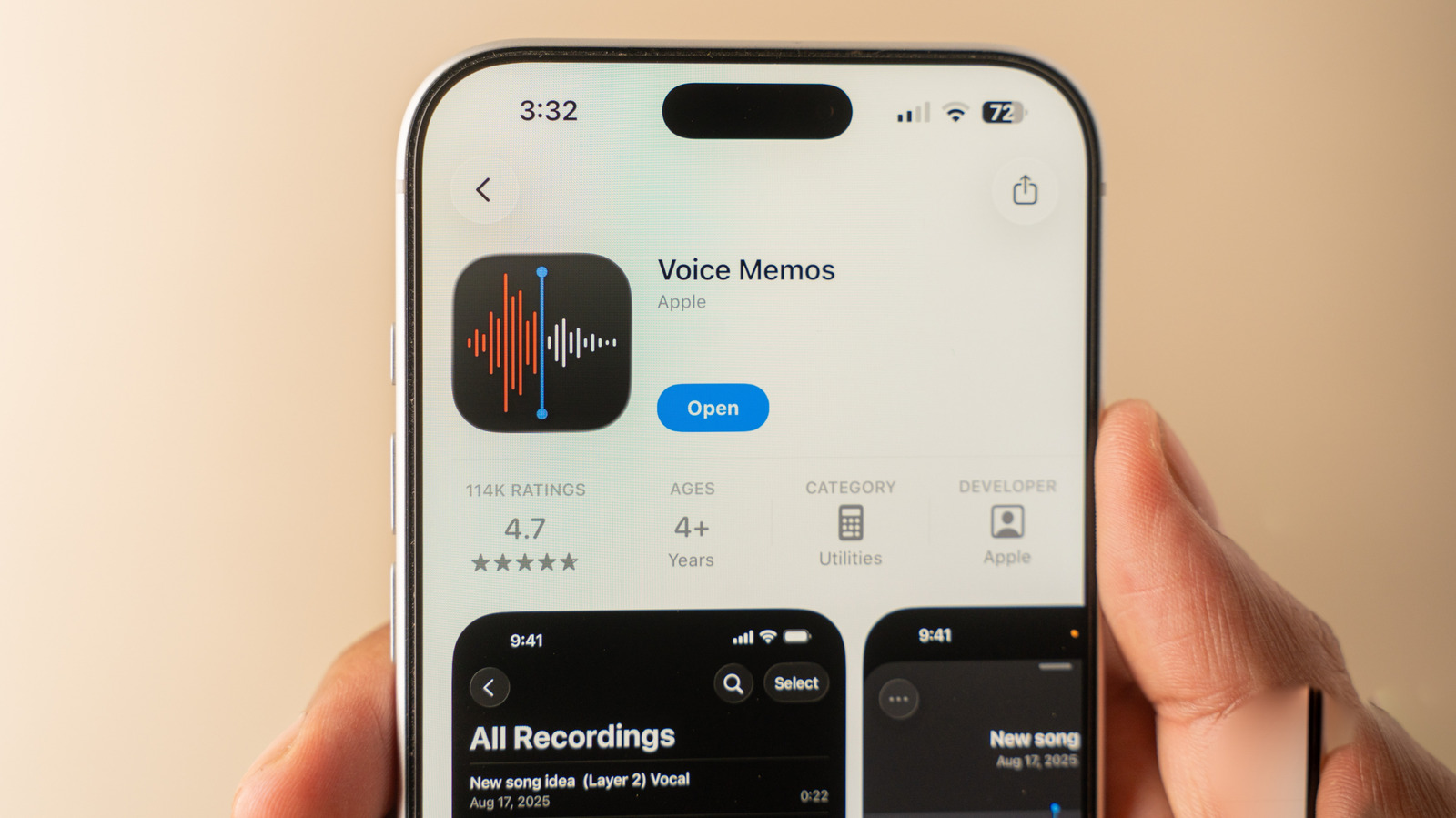
How To Record Audio On Your iPhone

The researchers propose a mechanistic examination of RAG pipelines to determine how much LMs depend on external context versus their internal memory when answering factual queries. They use two advanced LMs, LLaMa-2 and Phi-2, to conduct their analysis, employing methods like Causal Mediation Analysis, Attention Contributions, and Attention Knockouts.

The researchers utilized three key techniques to manage the inner workings of LMs under RAG:

1. Causal tracing identifies which hidden states in the model are crucial for factual predictions. By comparing a corrupted run (where part of the input is deliberately altered) with a clean run and a restoration run (where clean activations are reintroduced into the corrupted run), the researchers measure the Indirect Effect (IE) to determine the importance of specific hidden states.

2. Attention contributions look into the attention weights between the subject token and the last token in the output. This helps by analyzing how much attention each token receives to see if the model relies more on the external context provided by RAG or its internal knowledge.

3. Attention knockouts involve setting critical attention weights to negative infinity to block information flow between specific tokens. By observing the drop in prediction quality when these attention weights are knocked out, the researchers can identify which connections are essential for accurate predictions.

The results revealed that in the presence of RAG context, both LLaMa-2 and Phi-2 models showed a significant decrease in reliance on their internal parametric memory. The Average Indirect Effect of subject tokens in the query was notably lower when RAG context was present. Additionally, the last token residual stream derived more enriched information from the attribute tokens in the context rather than the subject tokens in the query. Attention Contributions and Knockouts further confirmed that the models prioritized external context over internal memory for factual predictions. However, the exact nature of how this approach works isn’t clearly understood.

In conclusion, the proposed method demonstrates that language models present a “shortcut” behavior, heavily relying on the external context provided by RAG over their internal parametric memory for factual queries. By mechanistically analyzing how LMs process and prioritize information, the researchers provide valuable insights into the interplay between parametric and non-parametric knowledge in retrieval-augmented generation. The study highlights the need for understanding these dynamics to improve model performance and reliability in practical applications.


Check out the Paper. All credit for this research goes to the researchers of this project. Also, don’t forget to follow us on Twitter. 

Join our Telegram Channel and LinkedIn Group.

If you like our work, you will love our newsletter..

Don’t Forget to join our 44k+ ML SubReddit


Pragati Jhunjhunwala is a consulting intern at MarktechPost. She is currently pursuing her B.Tech from the Indian Institute of Technology(IIT), Kharagpur. She is a tech enthusiast and has a keen interest in the scope of software and data science applications. She is always reading about the developments in different field of AI and ML.

🐝 Join the Fastest Growing AI Research Newsletter Read by Researchers from Google + NVIDIA + Meta + Stanford + MIT + Microsoft and many others…


Credit: Source link

ShareTweetSendSharePin

Related Posts

How Long Can You Expect Your Old Cassette Tapes To Last?
AI & Technology

How Long Can You Expect Your Old Cassette Tapes To Last?

September 20, 2026
How To Record Audio On Your iPhone
AI & Technology

How To Record Audio On Your iPhone

September 20, 2026
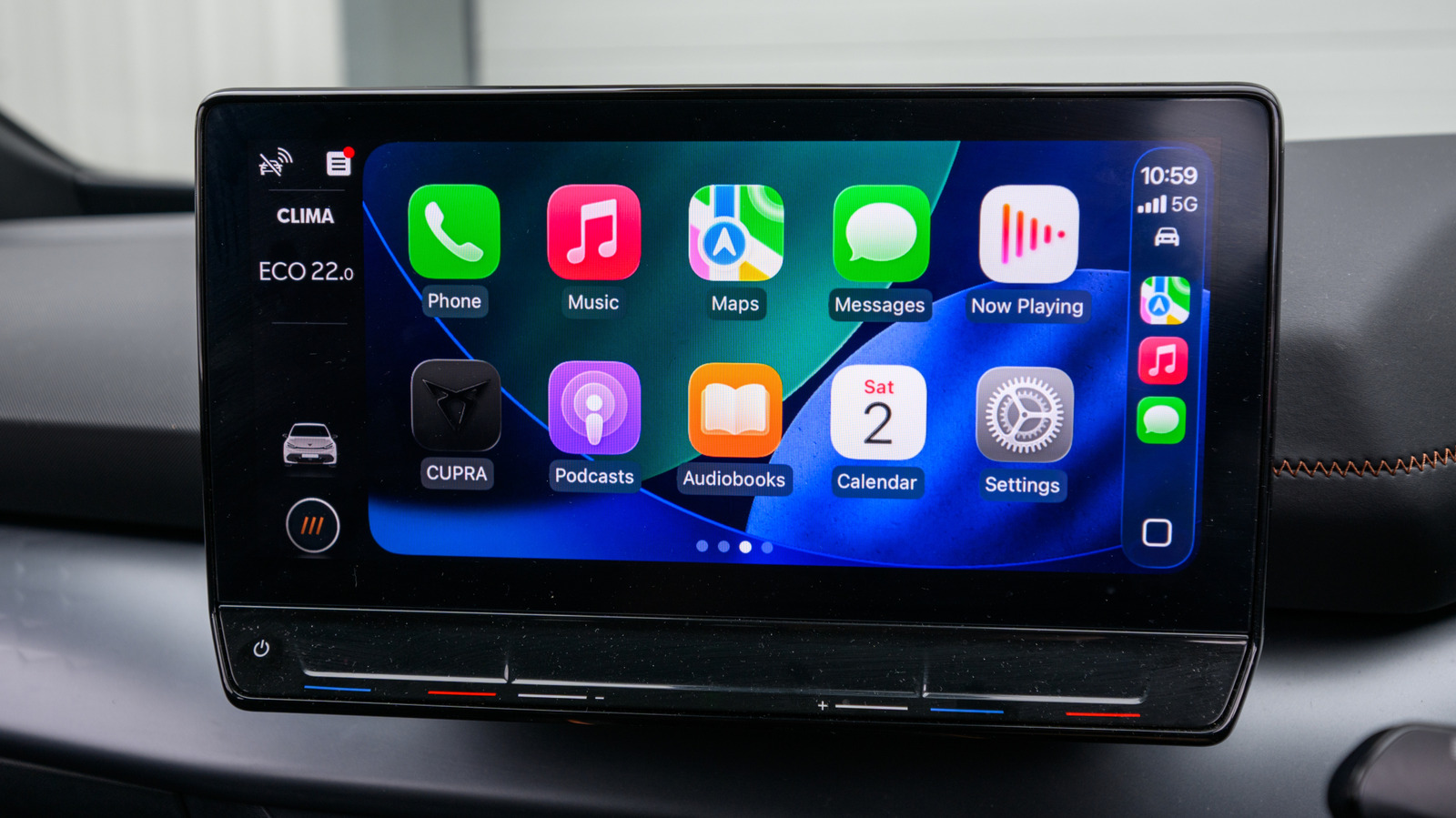
What Is The Difference Between Apple CarPlay And CarPlay Ultra?
AI & Technology

What Is The Difference Between Apple CarPlay And CarPlay Ultra?

September 19, 2026
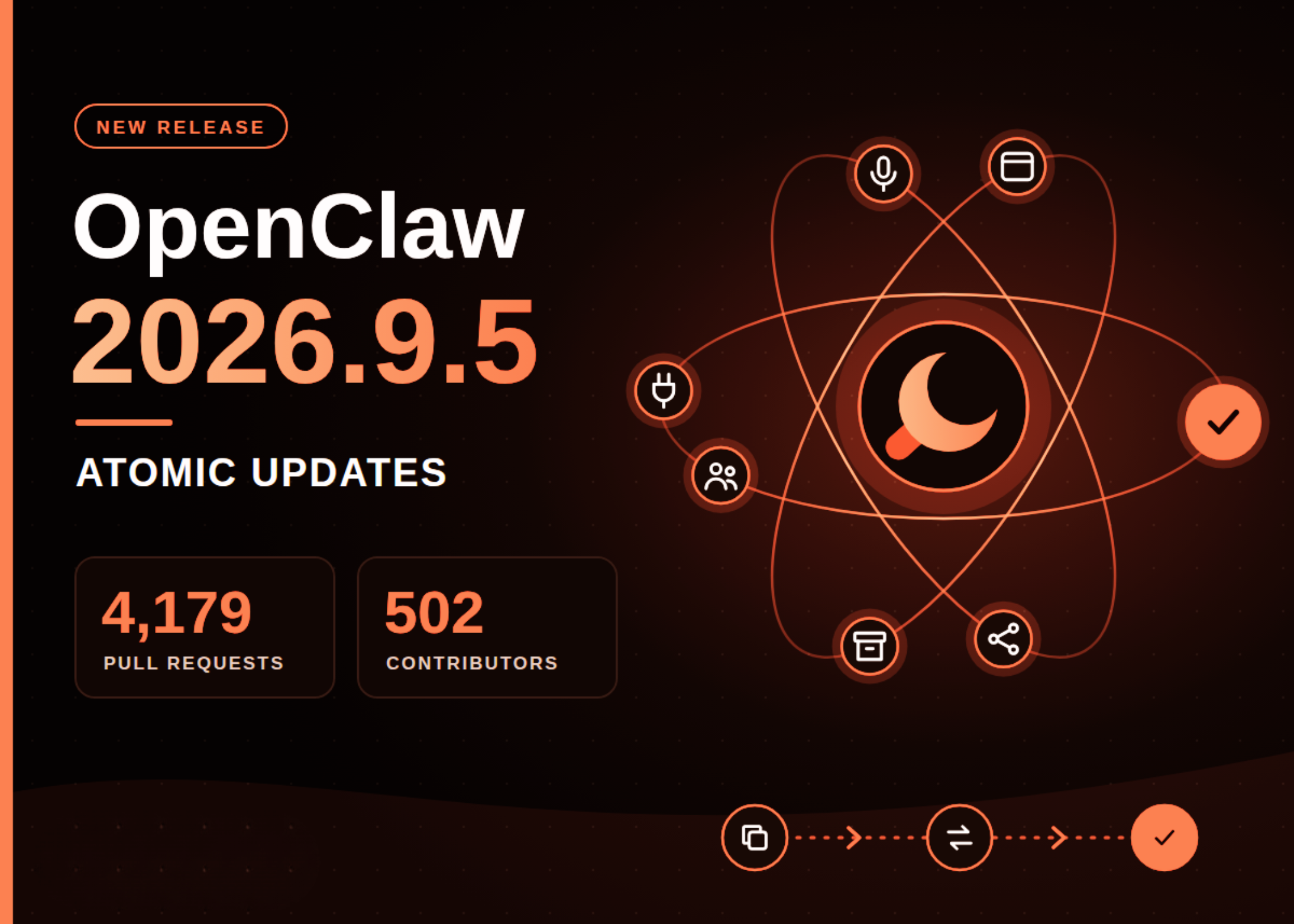
OpenClaw Releases 2026.9.5 With Atomic Updates, Plugin Hot Reload, Conversation Sharing, and Expanded GPT Live
AI & Technology

OpenClaw Releases 2026.9.5 With Atomic Updates, Plugin Hot Reload, Conversation Sharing, and Expanded GPT Live

September 19, 2026
Next Post
U.S. is working ‘hour by hour’ to bring Hamas back to hostage negotiations, Kirby says

U.S. is working 'hour by hour' to bring Hamas back to hostage negotiations, Kirby says

Leave a Reply Cancel reply

Your email address will not be published. Required fields are marked *

Search

No Result
View All Result
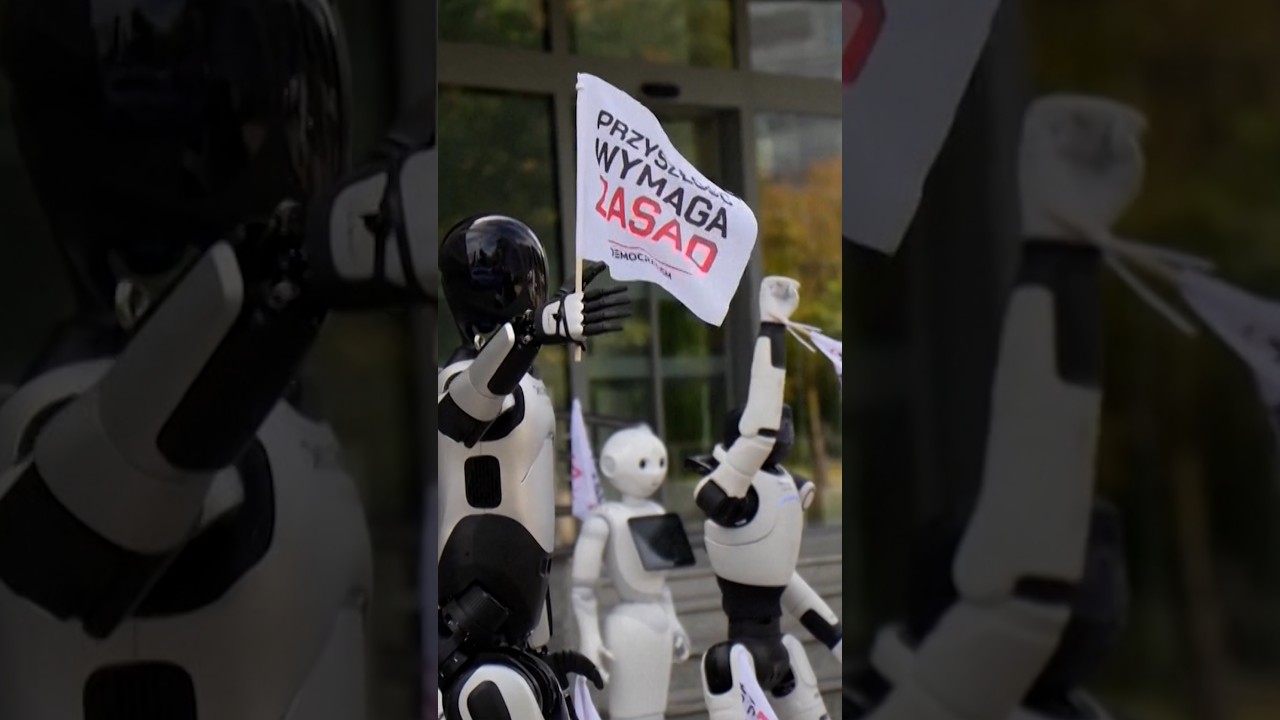
Robots protest in Poland, calling for AI regulation

Robots protest in Poland, calling for AI regulation

September 14, 2026
AI Leaders Debate Slowing the Frontier

AI Leaders Debate Slowing the Frontier

September 16, 2026
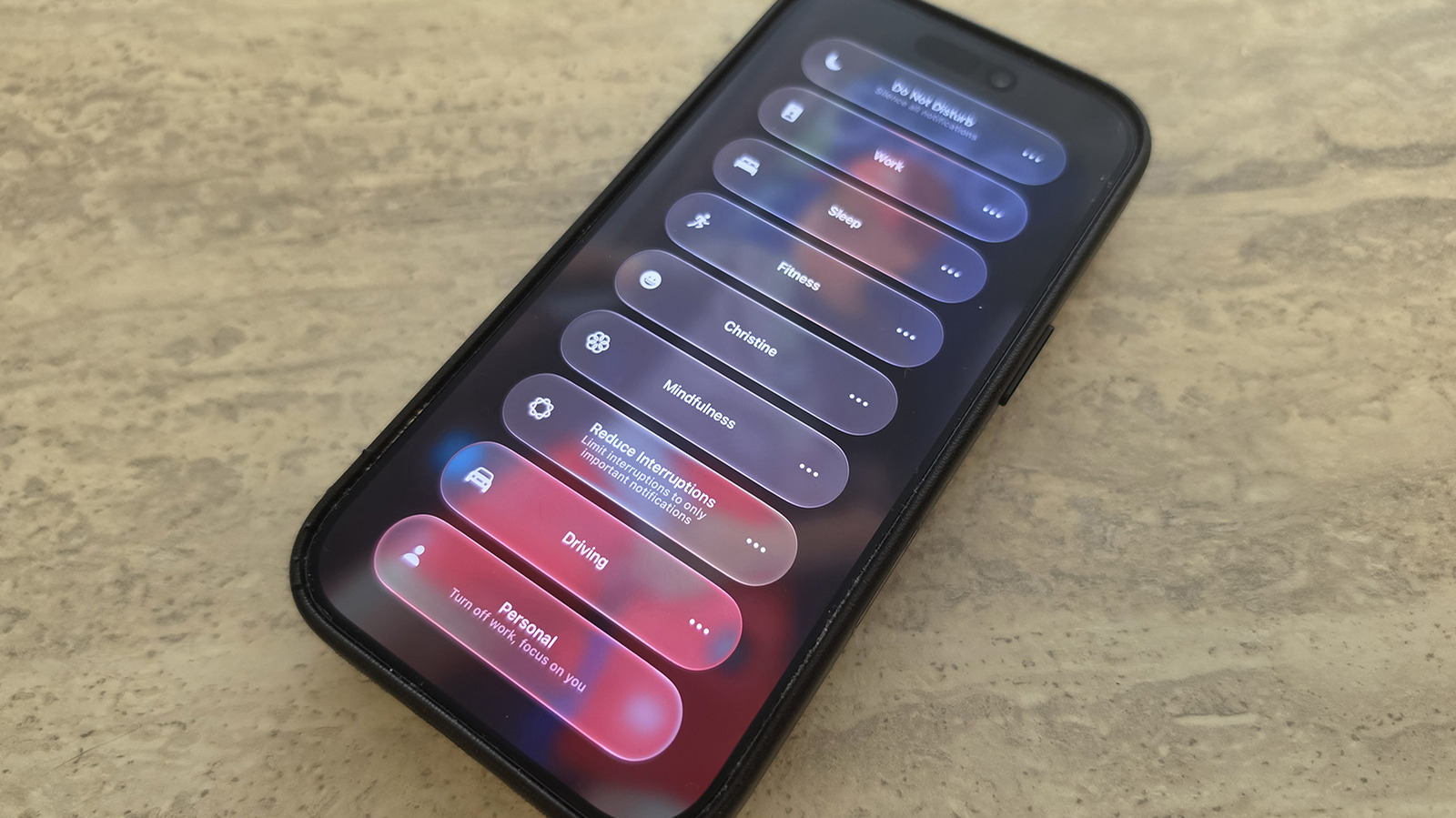
How Focus Mode Has Changed In iOS 27

How Focus Mode Has Changed In iOS 27

September 18, 2026

About

Learn more

Our Services

Legal

Privacy Policy

Terms of Use

Bloggers

Learn more

Article Links

Contact

Advertise

Ask us anything

©2020- TradePoint.io - All rights reserved!

Tradepoint.io, being just a publishing and technology platform, is not a registered broker-dealer or investment adviser. So we do not provide investment advice. Rather, brokerage services are provided to clients of Tradepoint.io by independent SEC-registered broker-dealers and members of FINRA/SIPC. Every form of investing carries some risk and past performance is not a guarantee of future results. “Tradepoint.io“, “Instant Investing” and “My Trading Tools” are registered trademarks of Apperbuild, LLC.

This website is operated by Apperbuild, LLC. We have no link to any brokerage firm and we do not provide investment advice. Every information and resource we provide is solely for the education of our readers. © 2020 Apperbuild, LLC. All rights reserved.

No Result
View All Result
  • Main
  • AI & Technology
  • Stock Charts
  • Market & News
  • Business
  • Finance Tips
  • Trade Tube
  • Blog
  • Shop

© 2023 - TradePoint.io - All Rights Reserved!