











































Refresh
Google I/O 2024 keynote has begun
Google I/O 2024 has officially started and the first order of business appears to center around artificial intelligence. A quick video right at the start highlights many of Google’s work around Gemini, with Sundar Pichai the first to come out on stage.

For a bit more context on this rather bizarre warm-up act, the DJ Mode in MusicFX gives you really granular control over the AI generated sound, reacting in real time to changes rather than generating a new sound every time.
MusicFX can’t generate songs with vocals and refuses any request to include tracks mentioning an artist. But other than that it can generate backing tracks for a video, music for a game or a just something to fill the space before Sundar Pichai walks on…
The pre-show has started

Well, the pre-show has started courtesy of a guy in a multicoloured bathrobe and some “pulsating” music. I’m not really sure what to make of this but I hope the folks in the audience are entertained.
He’s currently DJing with Google’s MusicFX artificial intelligence experiment that lets you create Live Loops and experiment with sound. Perhaps Google is coming after Suno and Udio when it comes to creating the best AI music generator…
Gemini’s memory feature

One Gemini feature I think could sneak into the keynote today is “Memory”. This was actually first rumored last year (back when Gemini was still called Bard) but news has been quiet of late. In a nutshell, the feature lets you save facts (or other things) you want Gemini to remember which can then factor into future conversations.
Google is preparing the release of “Memory”, a feature allowing you to save facts about yourself, or stuff you just want Gemini to remember.This feature *may* be released in the next few days. pic.twitter.com/dlNjOTCCXeMay 12, 2024
According to a post on X by Dylan Roussel over the weekend, the feature could be launching “in the next few days” with a new UI to boot. This would probably be the likely time for Google to provide us with an update.
Dino crisis

Google’s also currently promoting a generative AI version of the Chrome dinosaur game where you can swap your character and the obstacles for different things.
You can try it out for yourself here, but it looks like it’ll only be available for another 30 minutes or so. If you hadn’t twigged yet, there’s going to be a lot of talk about AI today…
Not long now!

People are taking their seats as the Google I/O keynote is scheduled to kick off in less than an hour!
You may be interested to know that while Wi-Fi is spotty for those of us in attendance (always ironic at a tech event), we are being treated to a soundtrack that includes Taylor Swift. So it’s all good.
Gemini’s multimodal features
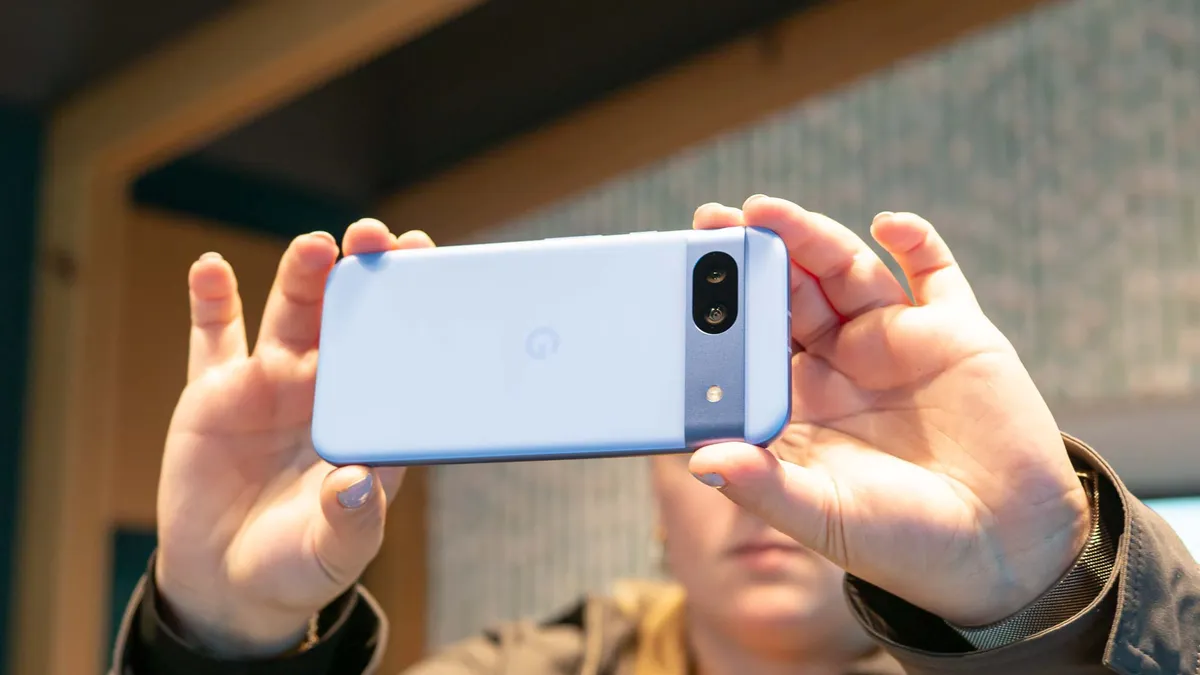
Okay, that’s enough deviation from what’s going to be the real highlight of today’s show: AI. Last year’s I/O had its fair share of AI announcements but 2024 is going to turn it up to 11 — probably through more explanation of multimodal features. That means exploring what Gemini can do when it’s shown video, music or pictures.
A demo posted by Google yesterday showed this in action when a Pixel phone correctly identified the I/O stage being set up. It’s going to be like Google Lens on steroids and will surely offer up all manner of assistance based on what’s going on in your camera’s view. Imagine being able to record live video and having Gemini provide a flawless transcript or pull out relevant information based on what it’s seeing. I expect we’ll hear a lot more about this kind of functionality as the event progresses.
Desktop mode on Android?
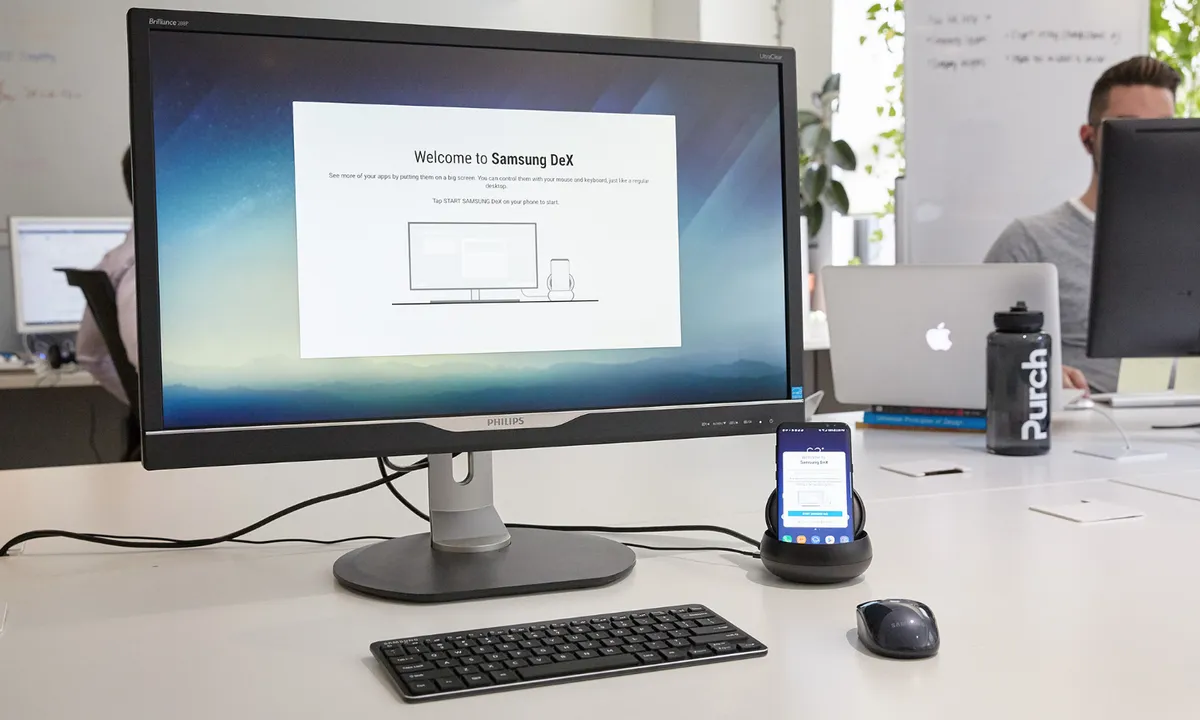
This isn’t something I’m really expecting to hear much about today, but it’s cool so I’m going to talk about it here.
One feature on the best Samsung phones that doesn’t often get talked about is DeX (pictured above), which turns the device into a pseudo desktop via a proprietary dock. It seems like Google is exploring this with the Pixel as, according to a report (h/t Android Authority), the company held a private event showing a Pixel 8 running Chromium OS, the open source version of ChromeOS, on an external monitor.
While Google isn’t going to merge Android and Chrome anytime soon, ChromiumOS can run alongside Android in a virtual machine, thanks to the Android Virtualization Framework (AVF), which debuted in Android 13.
This feature seems a little too far off to make headline news at today’s keynote but as someone always looking to streamline their kit, I’m intrigued to see if this gets a mention when Google unveils more about Android 15 today.
Boots on the ground

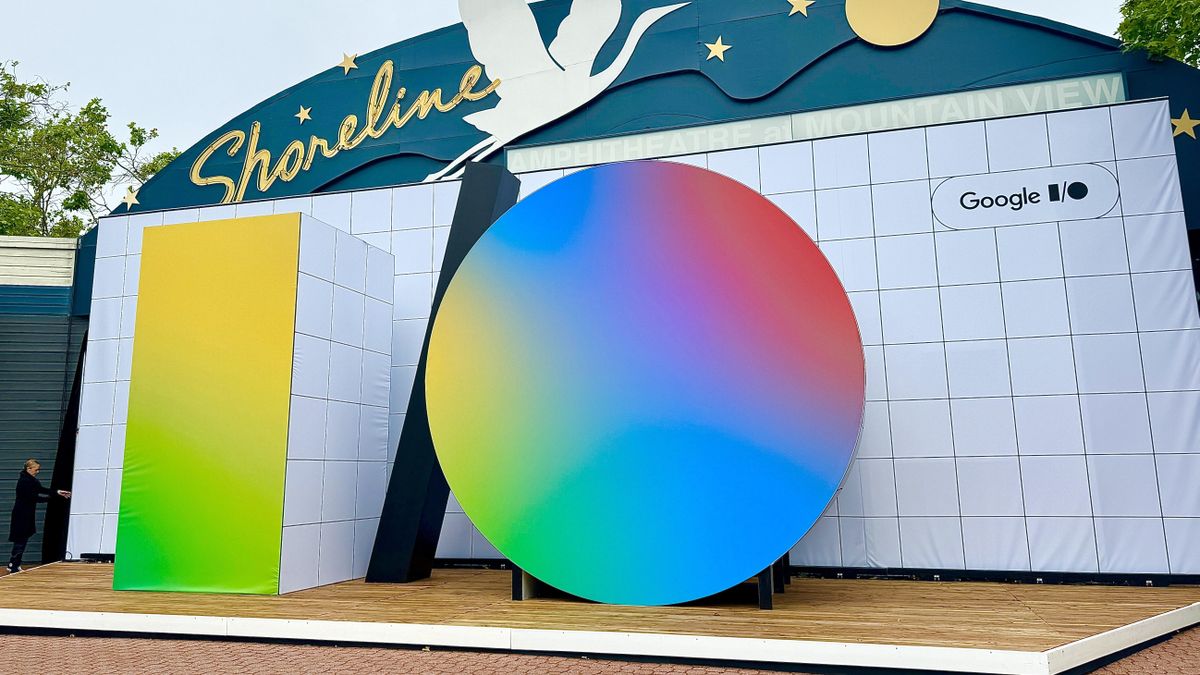
Google I/O 2024 is officially kicking off in a couple of hours and, as you can see from the image above, we’re ready and waiting in Mountain View to get started. Managing Editor Kate Kozuch will be live at the event to capture reaction to Google’s announcements as they unfold.
Good morning from #GoogleIO2024! It’s going to be a jam-packed day ☀️ pic.twitter.com/NH9B1vokO0May 14, 2024
A quick reminder the keynote gets underway at 1 p.m. ET / 10 a.m. PT / 6 p.m. BST and the leading topic will almost certainly be Gemini and Google’s latest AI developments — aiming to steal the thunder from all the wonderful new features OpenAI announced at its own Spring Update yesterday.
Google Maps upgrades!
Shifting gears to Google Maps for a second, ahead of Google I/O two new Maps upgrades are starting to go live. The first new feature lets you apply a filter to show the charging stations of electric cars instead of gas stations. And the other allows the map to show the entire length of a road and highlight it in blue when you search for it. This will give you a better sense of the layout for sure.
Maps is a big part of Google’s product portfolio and usually commands some good stage time. We’ll see if there are any other new features waiting in the wings. In the meantime, here’s 9 essential Maps tricks for your summer road trip.
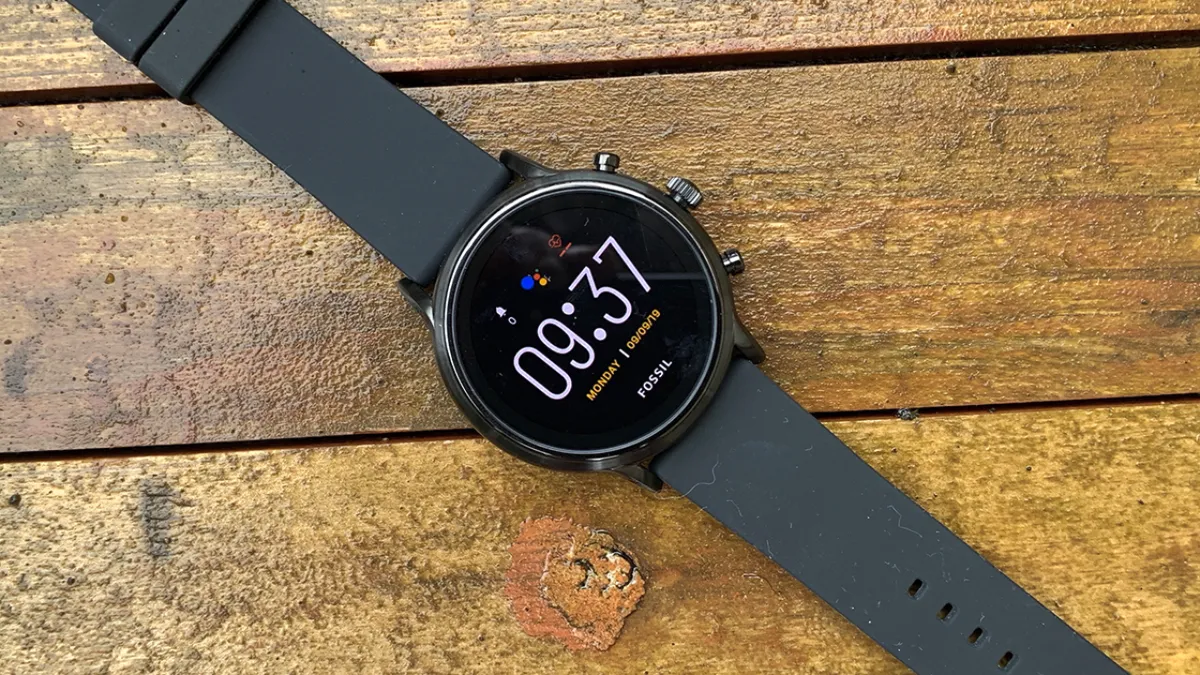
Hi folks, it’s Jeff Parsons taking over this live blog for a spell as we look ahead to what Google may show us over in Mountain View later today. One area I’d be interested to hear about is Wear OS. Google announced Wear OS 4 at last year’s I/O and it brought with it a few nice-to-have upgrades like better battery life and some new watch face tools. But, overall, it feels Google’s been coasting a little bit here.
While it’s a fair bet we may hear about Wear OS 5 at today’s announcement, I’m keen to hear more about exactly how Google can differentiate from watchOS 10 — which had a redesigned home screen experience driven by widgets and Smart Stacks when it was announced in September. Will we get Gemini integration? Will we learn more about Android Health, the replacement for Google Fit? Will Fitbit continue to be subsumed into the Google brand? Bingo cards at the ready.
A recent post on X has shared two screenshots that seemingly reveal that Google will allow users to edit messages on their app, even after they’ve been sent.
According to the post, the feature will function similarly to WhatsApp and iMessage, with a 15-minute grace period to edit a sent message. It appears that some users have been allowed to test this new feature, although there is no indication of when it will officially be announced. It could be that we will hear more at Google I/O as one of its new features.
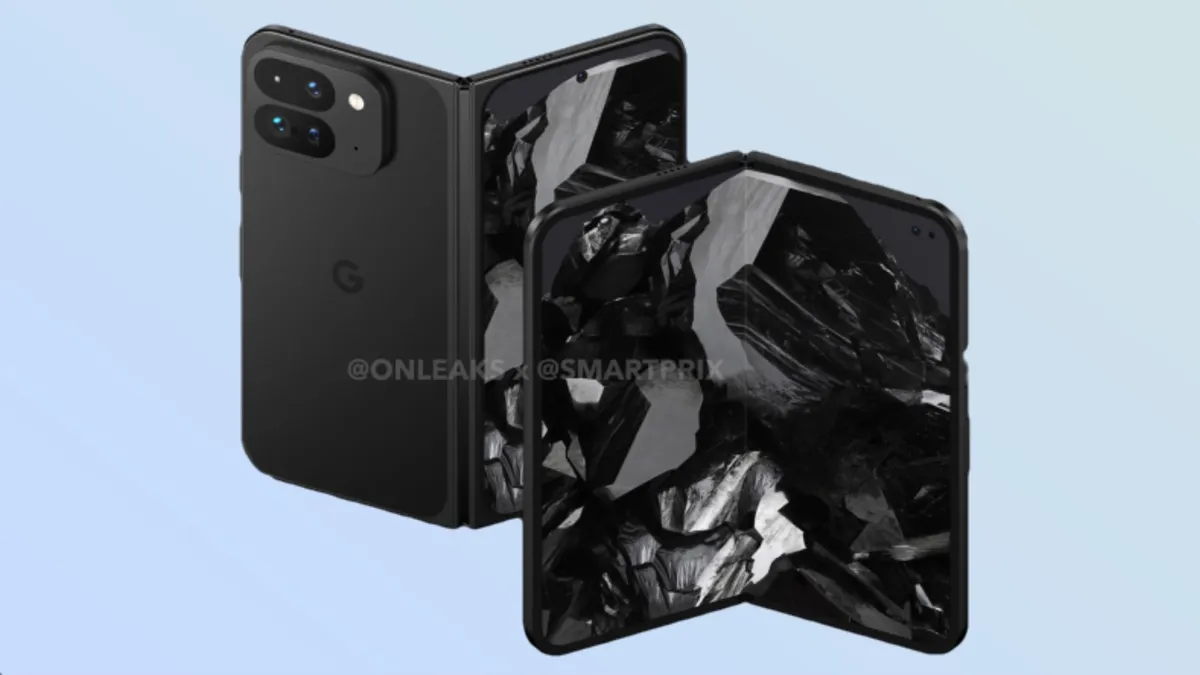
Google I/O 2023 was when we first got to see the Google Pixel Fold, the company’s first ever foldable phone. So naturally we’re wondering if we’ll see the sequel announced, or at least teased, at this year’s I/O.
There are some odd rumors that the Pixel Fold 2, as we assumed it would be named, will actually be titled the Pixel 9 Pro Fold to tie it in with Google’s other flagship Pixels. Otherwise, we’re expecting a refined version of last year’s foldable Pixel, perhaps with some new unique design elements and likely some upgraded internals too.
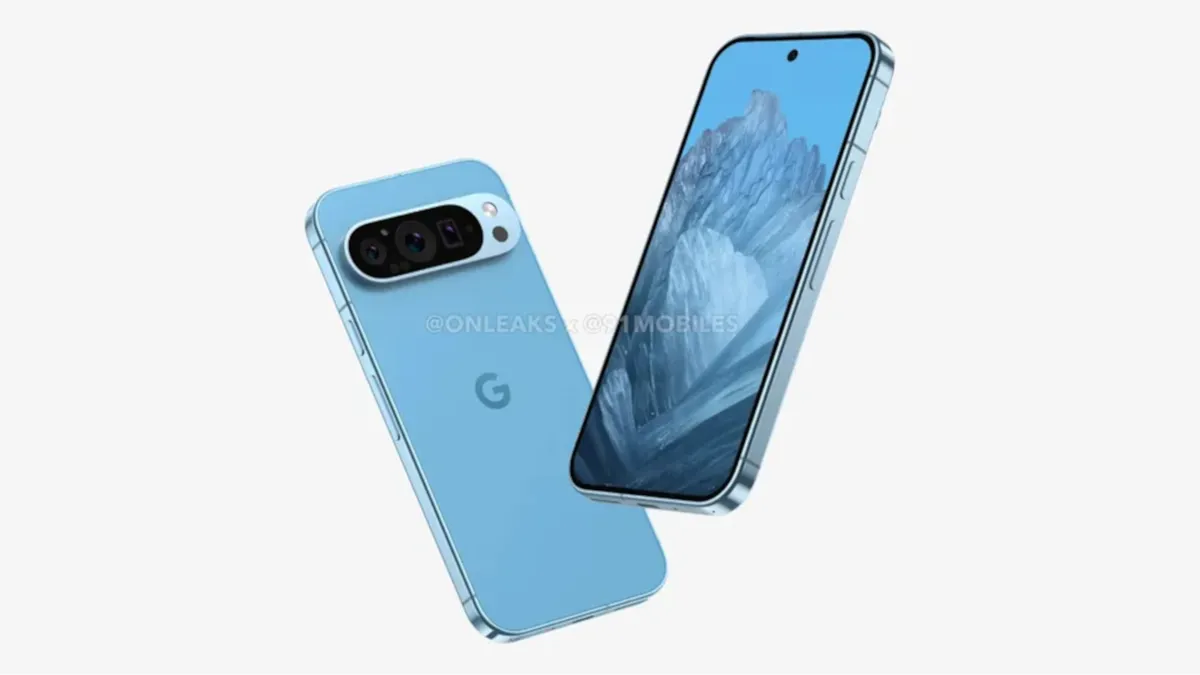
Google doesn’t do it consistently, but we may see a teaser for the Pixel 9 series today, as a token gesture toward the company’s hardware products among a keynote that’s likely to be all about software.
The Pixel 9 series is believed to consist of three models this year, featuring a new smaller Pixel 9 Pro model alongside a Pro XL model and the standard version. All the phones should be running a new Tensor G4 chip, and will likely be packed with lots of new AI features to build on those added to the Pixel 8 series last year.
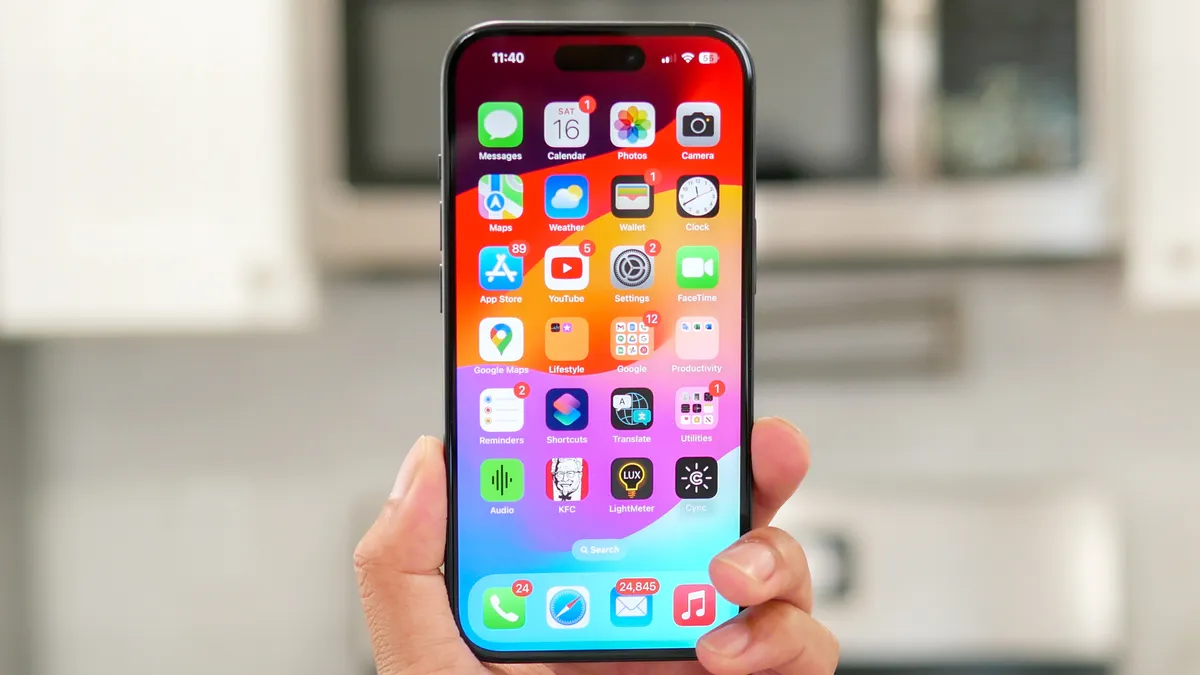
Circle to Search is not just a Galaxy S24, Pixel 8 and Pixel 8a feature. You can also use it on your iPhone (kinda).
With a new shortcut, it’s possible to instantly take a screen shot and search it through the iOS Google app. It’s likely as close as iPhone users will ever get to sampling Circle to Search, at least for the time being while Google’s being very particular about who gets to use it.
Everyone’s favorite browser Google Chrome may get some attention today. And we may already know one upcoming feature for it.
Circle to Search, currently available on only a select few Android phones, could be appearing on Chrome via a Google Lens update. This would allow far more users to try out this handy search method, although given it’s seemingly not finished yet, maybe Google needs some more time before it starts rolling out.
Our AI expert Ryan Morrison had some predictions about what AI announcements Google will have later today.
He believes we’ll see new features come to the Gemini large language model and chatbots, both the developer-only and public versions, Gemini-based features in familiar Google apps like YouTube Music and Google Docs, and perhaps a demo of some advanced tech to show it can keep up with OpenAI and GPT4o.

Google’s Project Starline is a very fancy-looking video conferencing tool that the company’s been demoing for some time. But it recently announced that it’ll finally launch in 2025, with HP getting first dibs on the tech, so we expect it to be at least mentioned briefly today at I/O.
The basics of Starline are that it works just like a normal video call, but with a full 3D model of the person you’re talking to that in theory allows for more natural conversation. The hardware required has gradually shrunk since Starline debuted, so hopefully it’ll soon be small enough to fit in a dedicated camera or within another device, rather than requiring specialized multi-camera monitors or even dedicated rooms to use.
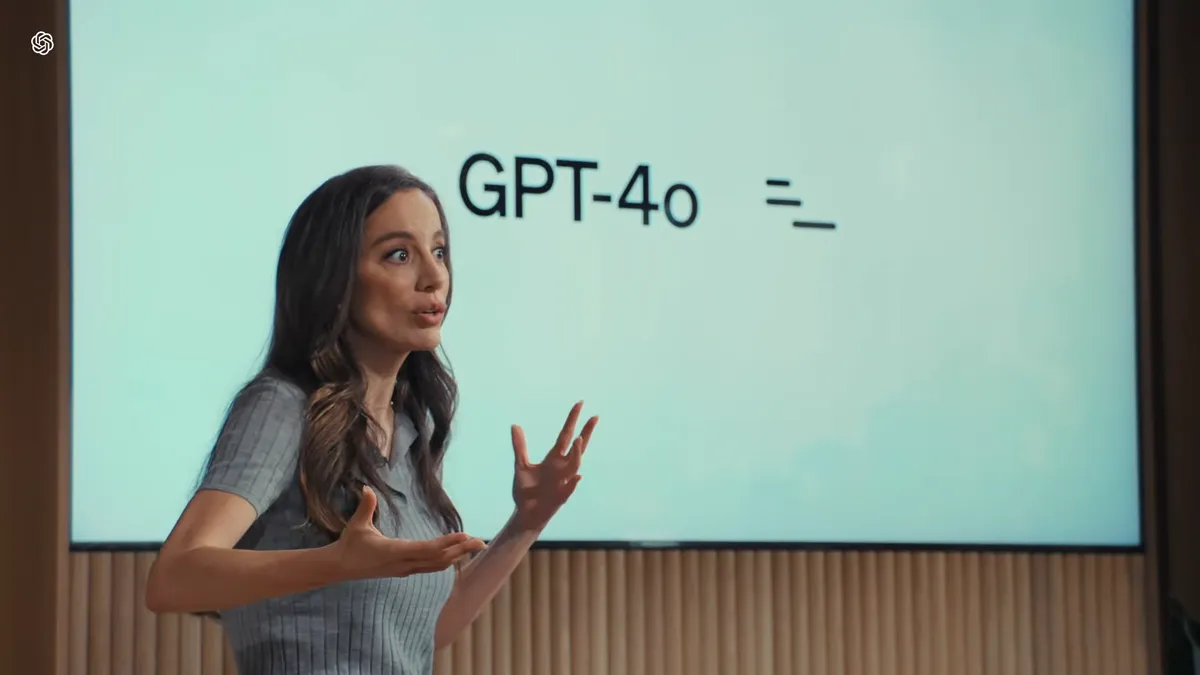
OpenAI clearly had its sights set on stealing some of the pre-Google I/O thunder by holding an event of its own Monday (May 13). And it’s easy to steer some of the attention away from Google when your announcements are as significant as what OpenAI had to say.
The highlights included:
The GPT-4o model is particularly significant in that it can analyze image, video and speech. It’s almost enough to make up for the fact that the event came and went without any sign of ChatGPT-5.
One more day until #GoogleIO! We’re feeling 🤩. See you tomorrow for the latest news about AI, Search and more. pic.twitter.com/QiS1G8GBf9May 13, 2024
Maybe Google was always planning to tease some AI-powered feature ahead of Google I/O. Or maybe it was all those Open AI announcements 24 hours ahead of I/O that did the trick. But Google spent Monday afternoon showing off a new AI capability of the camera app on what appears to be a Pixel.
Using voice prompts, you would ask the camera what it sees in a conversational tone. And the AI can reply, describing what’s in its view finder with impressive accuracy. Watch the posted footage from Google to see for yourself.

At last year’s Google I/O, the Pixel Fold made its debut giving Google a foldable device that could take on the leading foldable from Samsung. Indeed, in our Pixel Fold review, we praised its thin, durable design and wide cover display. (A feature Samsung may adopt for the upcoming Galaxy Z Fold 6, incidentally.)
We don’t expect to see the Pixel Fold 2 previewed at this year’s Google I/O, and not just because Google appears to want to keep the focus on AI. Rather, it’s because of a rumor that the next Pixel Fold might get folded into the Pixel 9 lineup and rebranded as the Pixel 9 Pro Fold. If so, that means a fall launch for the foldable follow-up.
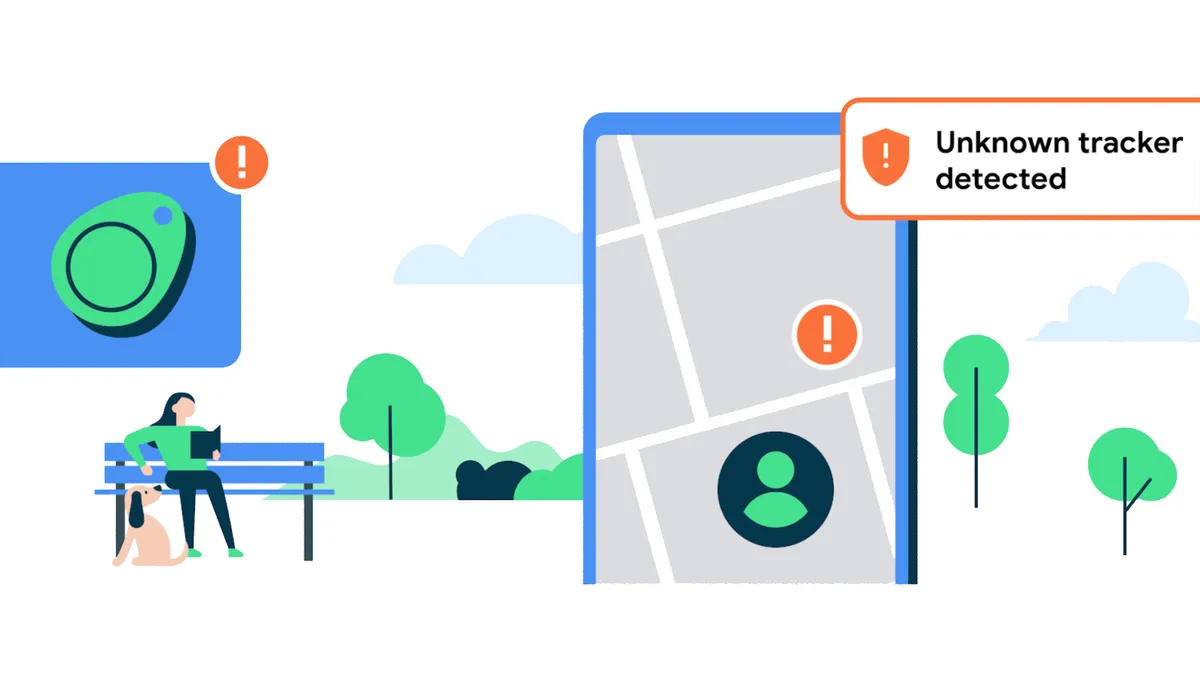
Google had some news to announce in conjunction with Apple ahead of Google I/O. The two tech giants have teamed up to boost cross-platform protections against someone trying to monitor your location with a Bluetooth tracker.
Should you be on the move with an unknown tracker along for the ride, you’re going to get an alert on your phone about that device, regardless of the platform its paired with. Previously, iPhone users would see alerts for Apple AirTags that were monitoring them without their knowledge, but not necessarily other trackers paired to Android devices.
The feature’s included on the just-released iOS 17.5 update for iPhones, while Google’s adding support for any Android device running Android 6 or later.
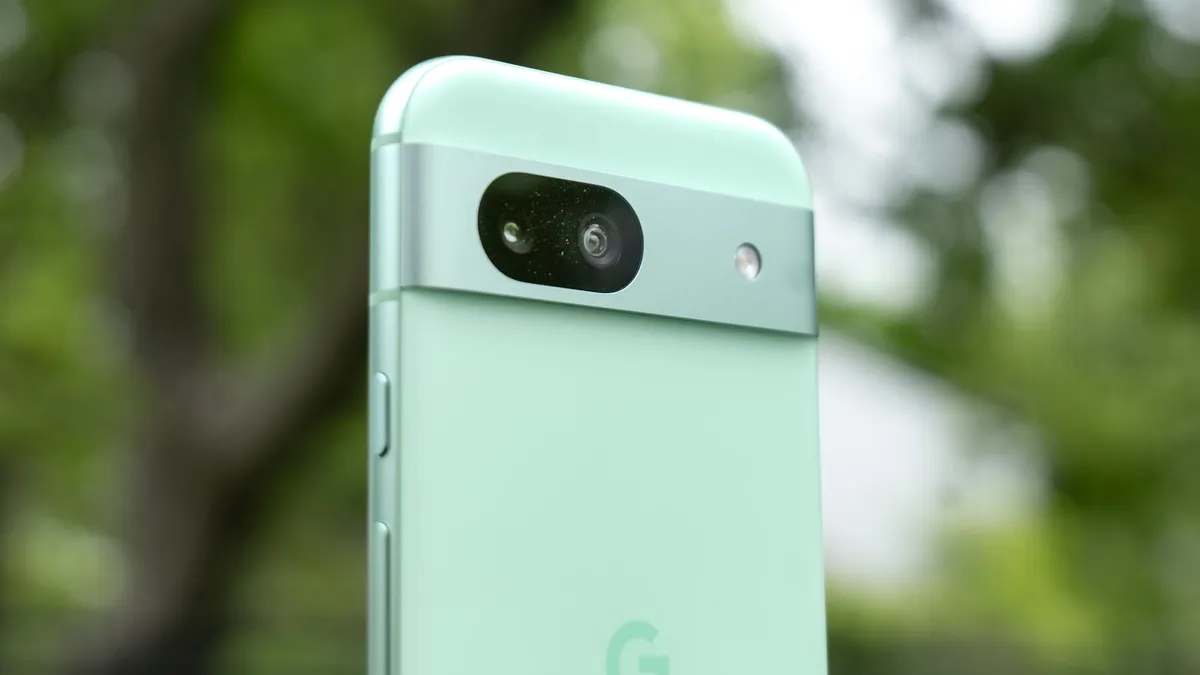
We expected to see the Pixel 8a debut at Google I/O today, but Google had other plans in mind. Instead, it announced the Pixel 8a last week — no doubt to clear the stage for all the AI talk we’re going to hear later today.
We may not have a Pixel 8a demo, but we’ve got the next best thing — a Pixel 8a review. And it sounds like this phone really impresses, thanks to its Tensor-powered AI features in a sub-$500 device along with Google’s extended software and security support.
Credit: Source link








