• bitcoinBitcoin(BTC)$78,937.000.71%
  • ethereumEthereum(ETH)$2,491.590.68%
  • tetherTether(USDT)$1.000.02%
  • binancecoinBNB(BNB)$749.72-0.52%
  • rippleXRP(XRP)$1.421.91%
  • usd-coinUSDC(USDC)$1.000.01%
  • solanaSolana(SOL)$103.700.73%
  • tronTRON(TRX)$0.3388960.12%
  • Figure HelocFigure Heloc(FIGR_HELOC)$1.040.00%
  • zcashZcash(ZEC)$1,270.589.61%
  • HyperliquidHyperliquid(HYPE)$86.053.40%
  • dogecoinDogecoin(DOGE)$0.0905211.00%
  • RainRain(RAIN)$0.015973-5.31%
  • USDSUSDS(USDS)$1.000.01%
  • whitebitWhiteBIT Coin(WBT)$81.654.19%
  • moneroMonero(XMR)$493.47-3.43%
  • chainlinkChainlink(LINK)$12.04-3.46%
  • leo-tokenLEO Token(LEO)$9.180.02%
  • cardanoCardano(ADA)$0.2186680.52%
  • stellarStellar(XLM)$0.187758-0.60%
  • bitcoin-cashBitcoin Cash(BCH)$257.570.66%
  • daiDai(DAI)$1.000.00%
  • Ethena USDeEthena USDe(USDE)$1.000.00%
  • USD1USD1(USD1)$1.00-0.02%
  • CantonCanton(CC)$0.1059581.22%
  • litecoinLitecoin(LTC)$53.80-2.94%
  • uniswapUniswap(UNI)$6.68-4.01%
  • the-open-networkGram (prev. Toncoin)(GRAM)$1.400.50%
  • hedera-hashgraphHedera(HBAR)$0.078451-2.15%
  • avalanche-2Avalanche(AVAX)$7.94-1.29%
  • Global DollarGlobal Dollar(USDG)$1.00-0.02%
  • suiSui(SUI)$0.81-1.17%
  • nearNEAR Protocol(NEAR)$2.5310.33%
  • shiba-inuShiba Inu(SHIB)$0.000005-0.14%
  • crypto-com-chainCronos(CRO)$0.0603691.99%
  • paypal-usdPayPal USD(PYUSD)$1.000.01%
  • BlackRock USD Institutional Digital Liquidity FundBlackRock USD Institutional Digital Liquidity Fund(BUIDL)$1.000.00%
  • tether-goldTether Gold(XAUT)$4,405.060.17%
  • MemeCoreMemeCore(M)$1.180.28%
  • Circle USYCCircle USYC(USYC)$1.140.01%
  • BittensorBittensor(TAO)$263.013.29%
  • Ripple USDRipple USD(RLUSD)$1.000.01%
  • okbOKB(OKB)$114.40-0.64%
  • Ondo US Dollar YieldOndo US Dollar Yield(USDY)$1.150.33%
  • mantleMantle(MNT)$0.642.17%
  • AsterAster(ASTER)$0.75-0.97%
  • polkadotPolkadot(DOT)$1.178.04%
  • aaveAave(AAVE)$129.21-0.64%
  • pax-goldPAX Gold(PAXG)$4,409.370.17%
  • OndoOndo(ONDO)$0.375057-0.60%
TradePoint.io
  • Main
  • AI & Technology
  • Stock Charts
  • Market & News
  • Business
  • Finance Tips
  • Trade Tube
  • Blog
  • Shop
No Result
View All Result
TradePoint.io
No Result
View All Result

This AI Research Presents a Physics-Based Deep Learning for Predicting IFP and Liposome Accumulation

December 1, 2023
in AI & Technology
Reading Time: 5 mins read
A A
This AI Research Presents a Physics-Based Deep Learning for Predicting IFP and Liposome Accumulation
ShareShareShareShareShare

In the pursuit of refining cancer therapies, researchers have introduced a groundbreaking solution that significantly elevates our comprehension of tumor dynamics. This study centers on precisely predicting intratumoral fluid pressure (IFP) and liposome accumulation, unveiling a pioneering physics-informed deep learning model. This innovative approach holds promise for optimizing cancer treatment strategies, providing accurate insights into the distribution of therapeutic agents within tumors.

The cornerstone of many nanotherapeutics lies in the enhanced permeability and retention (EPR) effect, leveraging tumor characteristics such as heightened vascular permeability and transvascular pressure gradients. Despite its pivotal role, the impact of the EPR effect on treatment outcomes has shown inconsistency. This inconsistency has prompted a deeper exploration of the factors influencing drug delivery within solid tumors. Among these factors, interstitial fluid pressure (IFP) has emerged as a critical determinant, severely restricting the delivery of liposome drugs to the central regions of tumors. Moreover, elevated IFP serves as an independent prognostic marker, significantly influencing the efficacy of radiation therapy and chemotherapy for specific solid cancers.

Addressing these challenges head-on, researchers present an advanced model to predict voxel-by-voxel intratumoral liposome accumulation and IFP using pre and post-administration imaging data. The uniqueness of their approach lies in the integration of physics-informed machine learning, a cutting-edge fusion of machine learning with partial differential equations. By applying this innovative technique to a dataset derived from synthetically generated tumors, the researchers showcase the model’s capability to make highly accurate predictions with minimal input data.

Existing methodologies often need to provide consistent and precise predictions of liposome distribution and IFP within tumors. This research’s contribution distinguishes itself by introducing an unprecedented approach that amalgamates machine learning with principles grounded in physics. This innovative model not only promises accurate predictions but also holds immediate implications for the design of cancer treatments. The ability to anticipate the spatial distribution of liposomes and IFP within tumors opens new avenues for a more profound understanding of tumor dynamics, paving the way for more effective and personalized therapeutic interventions.

Delving into the specifics of their proposed method, a team of researchers from the University of Waterloo and the University of Washington elucidates the use of physics-informed deep learning to achieve predictions at the voxel level. The model’s reliance on synthetic tumor data underscores its robustness and efficiency, offering a potential solution to the challenges posed by elevated IFP in cancer treatment. By showcasing the scalability and applicability of their approach with minimal input data, the researchers emphasize its potential in predicting tumor progression and facilitating treatment planning.

In conclusion, this groundbreaking research heralds a transformative approach to addressing the complexities associated with liposome-based cancer therapies. Integrating physics-informed machine learning, their model provides precise, voxel-level predictions of intratumoral liposome accumulation and interstitial fluid pressure. This innovation advances our understanding of tumor dynamics and holds immediate implications for treatment design. The potential for more effective and personalized interventions underscores the significance of this work, marking a crucial stride toward optimizing cancer treatment strategies for enhanced predictability and therapeutic success.


Check out the Paper. All credit for this research goes to the researchers of this project. Also, don’t forget to join our 33k+ ML SubReddit, 41k+ Facebook Community, Discord Channel, and Email Newsletter, where we share the latest AI research news, cool AI projects, and more.

If you like our work, you will love our newsletter..


YOU MAY ALSO LIKE

Will We See The Foldable iPhone Ultra At The ‘Surprise And Shine’ Keynote Today?

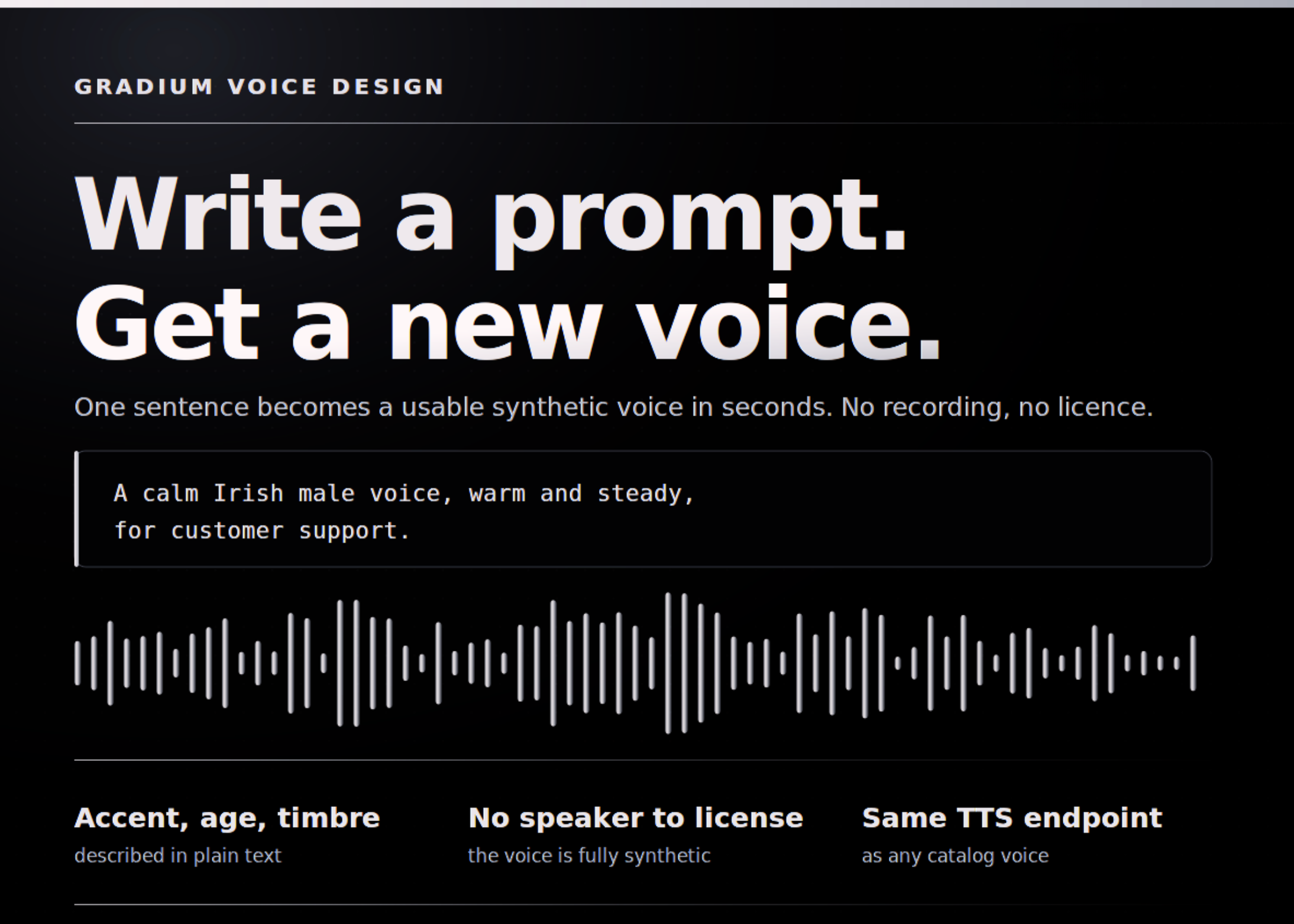
Gradium Launches Voice Design: Write a Prompt, Get a Brand New Synthetic Voice in Seconds

Madhur Garg is a consulting intern at MarktechPost. He is currently pursuing his B.Tech in Civil and Environmental Engineering from the Indian Institute of Technology (IIT), Patna. He shares a strong passion for Machine Learning and enjoys exploring the latest advancements in technologies and their practical applications. With a keen interest in artificial intelligence and its diverse applications, Madhur is determined to contribute to the field of Data Science and leverage its potential impact in various industries.


Credit: Source link

ShareTweetSendSharePin

Related Posts

Will We See The Foldable iPhone Ultra At The ‘Surprise And Shine’ Keynote Today?
AI & Technology

Will We See The Foldable iPhone Ultra At The ‘Surprise And Shine’ Keynote Today?

September 9, 2026
Gradium Launches Voice Design: Write a Prompt, Get a Brand New Synthetic Voice in Seconds
AI & Technology

Gradium Launches Voice Design: Write a Prompt, Get a Brand New Synthetic Voice in Seconds

September 9, 2026
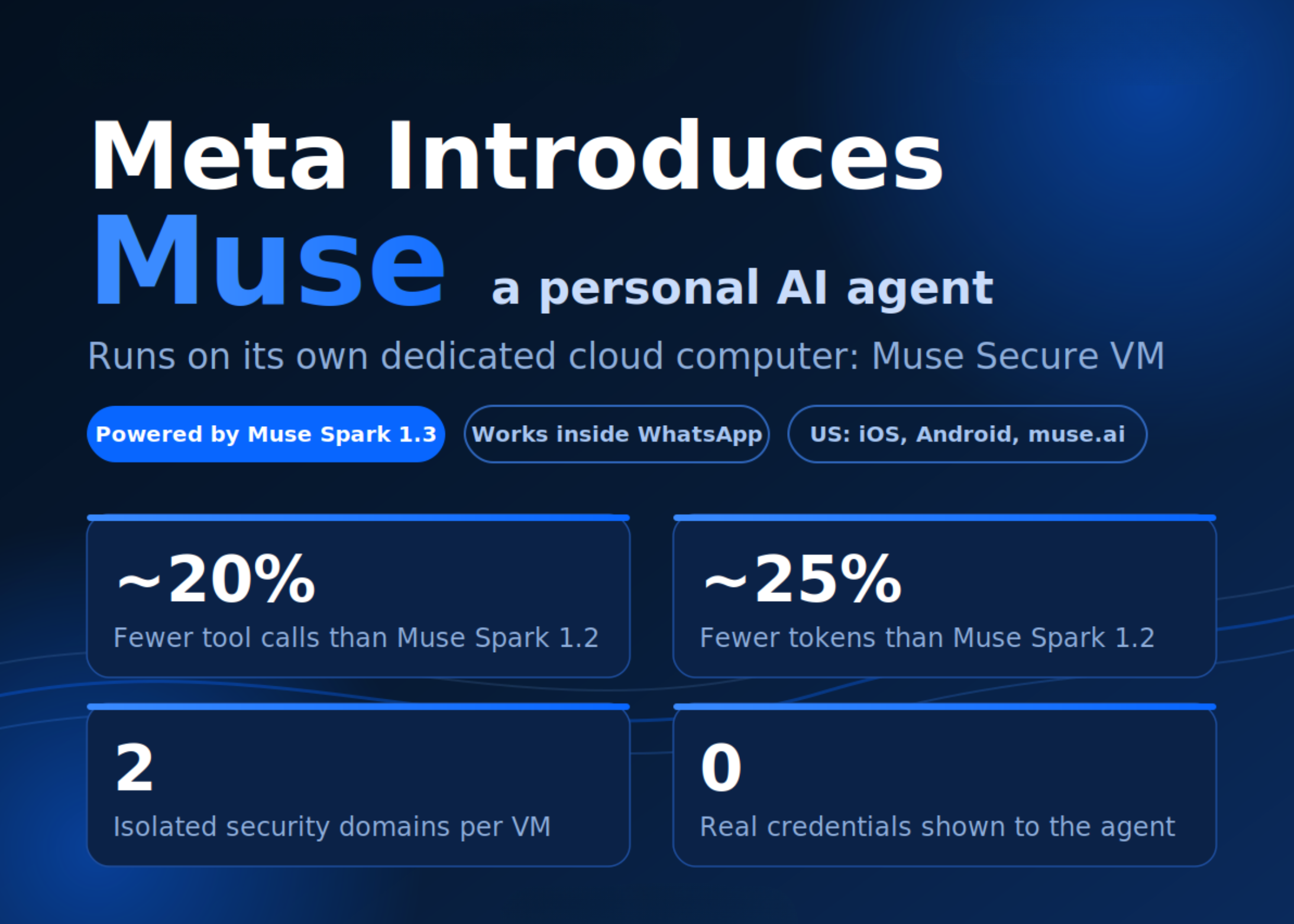
Meta Introduces Muse, a Personal AI Agent That Runs on Its Own Dedicated Secure Cloud Computer
AI & Technology

Meta Introduces Muse, a Personal AI Agent That Runs on Its Own Dedicated Secure Cloud Computer

September 9, 2026
OpenAI Says Internal AI System Resolved the Navier–Stokes Problem – Unite.AI
AI & Technology

OpenAI Says Internal AI System Resolved the Navier–Stokes Problem – Unite.AI

September 9, 2026
Next Post
How Robots Are Learning to Ask for Help

How Robots Are Learning to Ask for Help

Leave a Reply Cancel reply

Your email address will not be published. Required fields are marked *

Search

No Result
View All Result
LeBron James’ free agency decision leaves NBA in limbo

LeBron James’ free agency decision leaves NBA in limbo

September 6, 2026
New social media scam uses AI sob stories to target sympathetic buyers

New social media scam uses AI sob stories to target sympathetic buyers

September 4, 2026
MAI-Transcribe-2 Tops FLEURS Benchmark Across 60 Languages, Microsoft Says – Unite.AI

MAI-Transcribe-2 Tops FLEURS Benchmark Across 60 Languages, Microsoft Says – Unite.AI

September 3, 2026

About

Learn more

Our Services

Legal

Privacy Policy

Terms of Use

Bloggers

Learn more

Article Links

Contact

Advertise

Ask us anything

©2020- TradePoint.io - All rights reserved!

Tradepoint.io, being just a publishing and technology platform, is not a registered broker-dealer or investment adviser. So we do not provide investment advice. Rather, brokerage services are provided to clients of Tradepoint.io by independent SEC-registered broker-dealers and members of FINRA/SIPC. Every form of investing carries some risk and past performance is not a guarantee of future results. “Tradepoint.io“, “Instant Investing” and “My Trading Tools” are registered trademarks of Apperbuild, LLC.

This website is operated by Apperbuild, LLC. We have no link to any brokerage firm and we do not provide investment advice. Every information and resource we provide is solely for the education of our readers. © 2020 Apperbuild, LLC. All rights reserved.

No Result
View All Result
  • Main
  • AI & Technology
  • Stock Charts
  • Market & News
  • Business
  • Finance Tips
  • Trade Tube
  • Blog
  • Shop

© 2023 - TradePoint.io - All Rights Reserved!