














Amir Hever is the CEO and co-founder of UVeye, a deep learning computer vision startup that is setting the global standard for vehicle inspection with fast and accurate anomaly detection to identify issues or threats facing the automotive and security industries. UVeye is Hever’s third venture. He previously held the position of VP R&D at Visualead which was acquired by Alibaba.
Could you share the genesis story of how you Co-Founded UVEye with your brother?
UVeye was founded in 2016 after my brother, Ohad, and I drove into a sensitive facility in Israel and watched a security guard inspect our vehicle with a mirror. We both understood there must be a better way to scan for bombs and other security threats that might be hiding under vehicles. It took us a few months to put together an underbody scanner that vehicles drive over and – using computer vision and deep learning algorithms – could detect any modification to the undercarriage and flag anything that shouldn’t be under a car.
What are the different machine learning and computer vision technologies that are used?
We utilize a bespoke combination of proprietary algorithms, cloud architecture, artificial intelligence, machine learning, and sensor-fusion technologies. Our algorithms work on semantic segmentation, learning different visual patterns such as rust, leaks, differences in texture, color, or size, and alert on possible anomalies. Take dents on the body panel for example; In order to provide the algorithms with the best 3D images, we need to create stereo vision of a certain damage picked up by several cameras. The same goes for tires and other exterior areas of the car.
What were some of the first instances of this product being used and why was it a superior option?
We started by installing our solution at high-security facilities such as airports, seaports, banks, military bases, checkpoints, customs and more all around the world. The demand was immediate because the benefits were amazing. No longer would a guard need to expose themselves to danger and the elements trying to manually find bombs, weapons or drugs – now they could sit in a protected area with just a screen with the barriers and gates closing automatically if there was an anomaly or potential threat detected. Our technology stood out because we’re the only one with automatic detection features that don’t need to compare a reference image or have ever seen that model car before. We were also the only company creating a unique fingerprint for every vehicle driving through and we could flag a car as suspicious according to different parameters in the undercarriage – meaning even if the license plate was changed we could identify it.
Could you share some insight as to when you both realized that the undercarriage vehicle inspection system would be ideal for inspecting cars for safety and defects?
Two things happened in parallel. The first was that we started getting false positive alerts which were mechanical issues such as oil leaks. We realized that in addition to detecting plastic bags, IEDs and guns, we were actually finding other anomalies. The second thing that happened around that time was that three European car manufacturers approached us at about the same time. That is when we understood that we could use the same technology and approach to complete a 360-degree car inspection, finding safety and mechanical issues. At first, the main use case was on the assembly line and manufacturing plants for quality assurance. From there we started to add more cameras and scanning devices to look around a vehicle and scan its tires using computer vision and high-resolution imagery, which really improves the customer experience and transparency.
What types of issues were initially detected with the undercarriage system?
Broken or missing parts in any area, oil or other fluid leaks, exhaust issues, rust trends, severe rust areas, and broken shields. We now also look for broken EV battery cases.
A tire inspection system was released in 2019, an outer body inspection was released in 2022, and in June 2023 an interior scanning system was released. How powerful are all of these systems in conjunction at identifying issues?
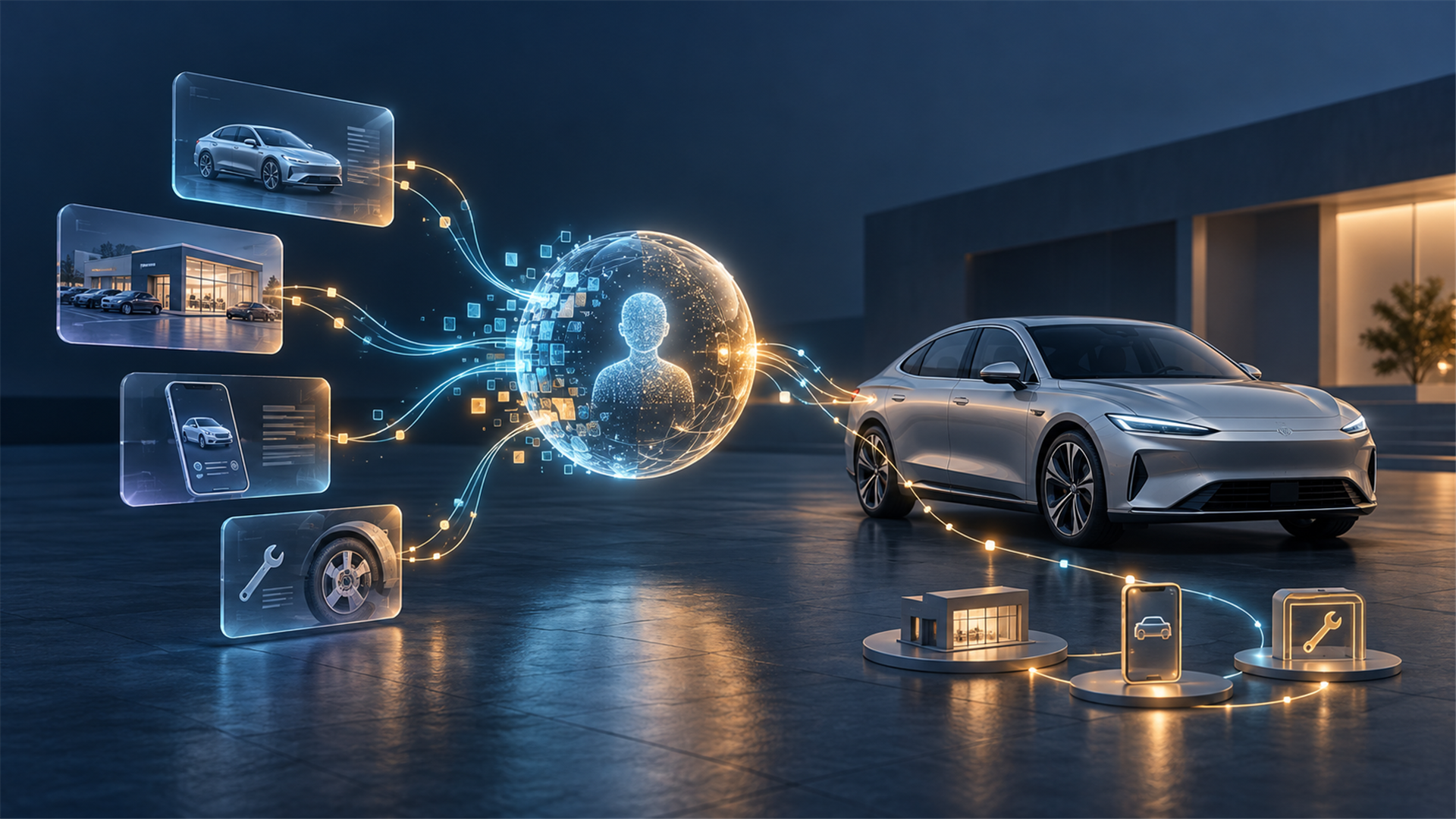
Today UVeye provides a full suite for exterior and interior scanning of any type of vehicle. We can aid with both damage detection and evidence & merchandising. Following the release of our tire system (Artemis) and our variations of body scanners (Atlas and Atlas Lite) we most recently added an interior camera called Apollo. Together they comprise the first AI-based diagnostic tool providing a full automatic vehicle condition report. Hundreds of these systems are already set up at dealerships, auctions and fleet stations all across the USA and around the world. Within seconds of driving through the scanner, we will send an alert of any issues to a screen, tablet, computer or phone. Worn or expired tires, expired tires, alignment issues indicated by uneven wear, broken parts, severe rust patterns, scratches, dents, broken mirror housings and more. Instead of being told by a service advisor what’s wrong, consumers are shown in high-definition in the same way a doctor shows you your X-ray or MRI scan. Who doesn’t trust their doctor? We completely changed the game.
Can you discuss how the system compares every car that is scanned, and how that data is used?
We only compare for historical purposes. The algorithm isn’t based on a catalog and works from the very first time it sees a new car, no matter the make, model, or sub-model. Even buses and trucks are scanned by our tire and underbody scanners daily. The comparison becomes interesting when you want to see a trend over time or when you want to buy or sell a vehicle and see the complete history of scans and issues for that car.
With UVeye having successfully raised a Series D round in May 2023, what’s next for the company?
I am very proud of what we achieved and the recent round of funding will help us scale at the speed and quality that the industry demands. We’re installing our system at hundreds of locations, mainly in the United States, and working with some of the best car manufacturers in the world, like General Motors and Volvo, with many more client announcements in a variety of verticals to come soon. This year we announced our cooperation with Carmax – who are also part of our investor team – revealing how we standardize the car auction world. It’s great to learn from our dealership clients and their customers – every piece of feedback helps us improve our technology, customer experience and usability. Our team is approaching 200 employees and we’ll shortly announce our first North American assembly plants enabling us to create and install systems at the pace we need.
What’s your vision for the future of both diagnostics and repairs of vehicles?
Our vision is to standardize the way vehicles are inspected; when you are buying a new car from the dealership you will be able to see a report of your vehicle as it came out of the box from the manufacturing plant, making sure the logistical carrier didn’t damage it along the way. You could scan your car at the local gas station, car wash, or Starbucks and get a quick analysis of your tires with a discount coupon popping up on your car display, encouraging you to get them fixed before the winter. When buying or selling a car through a dealer, there will be complete transparency and healthy education about the real situation of your vehicle. Fleet vehicles such as taxis, buses, and trucks will be regularly scanned, avoiding preventable issues that keep them off the road. When you charge your vehicle’s battery, you will also be able to get a picture of the car’s health through different sensors we are developing and ensure there are no cracks or holes exposing the battery cells. There are a lot of technical challenges we’ll need to solve but I am truly thrilled about how our innovation is impacting car owners, manufacturers and dealers.
Thank you for the great interview, readers who wish to learn more should visit UVeye.
Credit: Source link